

The Best Carpet for Homes with Allergies: What You Need to Know
- Why Choosing the Right Carpet Matters for Allergy Sufferers
- Types of Carpets Ideal for Allergy Relief
- Best Carpet Materials for Allergy Prevention
- How to Maintain Your Carpet to Reduce Allergens
- Real-Life Story: How a New Carpet Changed My Home's Allergy Situation
1. Why Choosing the Right Carpet Matters for Allergy Sufferers
If you or someone in your home suffers from allergies, selecting the right carpet can have a significant impact on your indoor air quality. Carpets can trap dust, pet dander, pollen, and other allergens, which can worsen allergy symptoms. By choosing the right type of carpet and properly maintaining it, you can reduce allergens in your home and create a healthier living environment.
1.1 The Role of Carpets in Allergen Trapping
While carpets can provide warmth and comfort, they can also act as a magnet for allergens. Allergens like dust mites, pet dander, and mold can become embedded in the fibers, making them harder to remove. However, with the right materials and regular cleaning, carpets can be less likely to harbor allergens, benefiting allergy sufferers.

1.2 Health Benefits of Allergy-Friendly Carpets
Allergy-friendly carpets are specifically designed to reduce the accumulation of allergens, which can help alleviate symptoms like sneezing, coughing, and itchy eyes. They offer improved indoor air quality and a more comfortable environment, especially for individuals with asthma or sensitivity to allergens.
2. Types of Carpets Ideal for Allergy Relief
Not all carpets are created equal when it comes to managing allergies. Some carpet types are more effective at resisting allergens and easier to clean than others. Here are the top types of carpets that are ideal for allergy sufferers:
2.1 Low-Pile Carpets
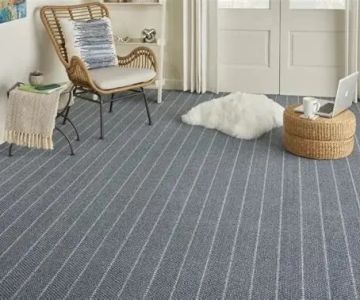
Low-pile carpets, which have shorter fibers, are less likely to trap dust, dirt, and allergens compared to high-pile carpets. The shorter fibers prevent allergens from settling deep within the carpet, making them easier to vacuum and maintain.
2.1.1 Benefits of Low-Pile Carpets
Low-pile carpets are also less likely to harbor dust mites, which are a common trigger for allergies. Additionally, these carpets allow for easier airflow, reducing the buildup of trapped particles.
2.2 Shag Carpets (Not Ideal for Allergies)
While shag carpets are plush and comfortable, they are not ideal for allergy sufferers. The long fibers can trap more dust and allergens, making it difficult to keep the carpet clean and allergen-free. If you have allergies, it's best to avoid shag carpets in favor of low-pile alternatives.
2.3 Synthetic Fiber Carpets
Synthetic carpets, such as those made from nylon, polyester, or olefin, are often more allergy-friendly than natural fiber carpets. These materials are less likely to retain moisture, reducing the risk of mold growth and dust mite infestations. They are also easier to clean and more resistant to stains and allergens.
2.3.1 Why Synthetic Fibers Work Well for Allergy Relief
Synthetic fibers are non-porous, which means they don’t trap dust and allergens as easily as natural fibers like wool. Additionally, they can be treated with anti-microbial coatings to reduce the growth of mold and bacteria, making them ideal for allergy sufferers.
3. Best Carpet Materials for Allergy Prevention
The material of the carpet is just as important as the pile height when it comes to reducing allergens. Certain materials are naturally more resistant to allergens and easier to clean, offering better protection for your health. Here are the best materials for allergy prevention:
3.1 Wool Carpets
Wool is a natural fiber that is often recommended for allergy sufferers due to its ability to resist dust and allergens. However, wool carpets can absorb moisture, which may lead to mold and mildew growth in humid environments. If you opt for wool, regular cleaning and maintenance are essential.
3.2 Nylon Carpets
Nylon is a synthetic material that is durable, stain-resistant, and non-absorbent. It resists moisture, making it less likely to harbor mold or mildew. Nylon carpets are a great choice for reducing allergens in high-traffic areas like living rooms and hallways.
3.3 Polyester Carpets
Polyester carpets are another excellent choice for allergy sufferers. These carpets are resistant to stains and moisture, and they are easier to clean compared to other materials. Polyester fibers are also non-absorbent, which helps prevent allergens from settling into the carpet.
3.4 Olefin Carpets
Olefin, or polypropylene, is a synthetic material known for its resistance to stains, mildew, and moisture. It is an affordable option for allergy-friendly carpets, offering durability and ease of maintenance without trapping allergens.
4. How to Maintain Your Carpet to Reduce Allergens
Maintaining a clean carpet is crucial to keeping allergens at bay. Here are some tips for proper carpet maintenance:
4.1 Vacuum Regularly
Vacuuming at least once a week, or more often in high-traffic areas, is essential to removing dust, dirt, and pet dander from your carpet. Use a vacuum cleaner with a HEPA filter to ensure that allergens are trapped and not released back into the air.
4.2 Clean Spills Immediately
Spills can cause stains and moisture buildup in the carpet, which can lead to mold and mildew. Clean spills as soon as they occur using a gentle carpet cleaner and a microfiber cloth.
4.3 Use Area Rugs
If you have areas in your home where allergens are particularly problematic, consider using area rugs instead of wall-to-wall carpeting. Area rugs are easier to clean and can be washed more frequently to reduce allergens.
4.4 Professional Cleaning
Have your carpets professionally cleaned every 12-18 months to remove deep-seated allergens and maintain their appearance. Professional cleaning services use high-powered vacuums and steam cleaning methods to eliminate dust mites, mold, and pet dander effectively.
5. Real-Life Story: How a New Carpet Changed My Home's Allergy Situation
Jessica, a mother of two with allergies, shares how replacing her old carpet with a hypoallergenic alternative improved her family's health. “My kids used to have constant allergy flare-ups, especially during the spring. After replacing our old carpet with a low-pile, nylon carpet, their symptoms improved drastically. We also started vacuuming more frequently, and it made a huge difference in our home environment!”
Jessica’s story shows how the right carpet can help minimize allergens and improve the quality of life for those with allergies. “I wish we had done it sooner!” she says.
6. Conclusion
Choosing the right carpet for a home with allergies can make a significant difference in reducing allergens and improving air quality. Low-pile synthetic fibers like nylon and polyester, as well as regular cleaning and maintenance, can help you enjoy a comfortable, allergy-free environment. For the best carpet options tailored to your needs, visit CarpetHub for expert advice and top-quality selections that will support your health and home!

 Design Floors LV4.0 (23 reviews)
 Lumber Liquidators4.0 (79 reviews)
 Huffman's Floor Covering5.0 (4 reviews)
 Carpet & Tile Mart4.0 (338 reviews)
 Pro Carpets Glastonbury0.0 (0 reviews)
 The Home Depot4.0 (1071 reviews)
 How to Choose Carpet for Homes with Frequent Houseguests
 How to Deal with Carpet Mats and Bunching After Installation
 How to Compare Leading Carpet Brands Based on Durability
 Carpet Purchasing Secrets from Interior Designers
 The Top Carpet Brands to Consider for Your Next Purchase
 Nylon vs. Polyester Carpets: Which Offers Better Durability and Stain Resistance?