
- 1 - Benefits of Using Carpet to Define Zones
- 2 - Choosing the Right Carpet for Each Zone
- 3 - Living Room Zoning Ideas
- 4 - Dining Area and Kitchen Zone Separation
- 5 - Bedroom and Home Office Zoning
- 6 - Layering and Texture Tips
- 7 - Color Coordination and Pattern Choices
- 8 - Practical Tips for Installation and Maintenance
- 9 - Real-Life Home Design Examples
- 10 - Why Choose CarpetHub for Carpet Solutions
1. Benefits of Using Carpet to Define Zones
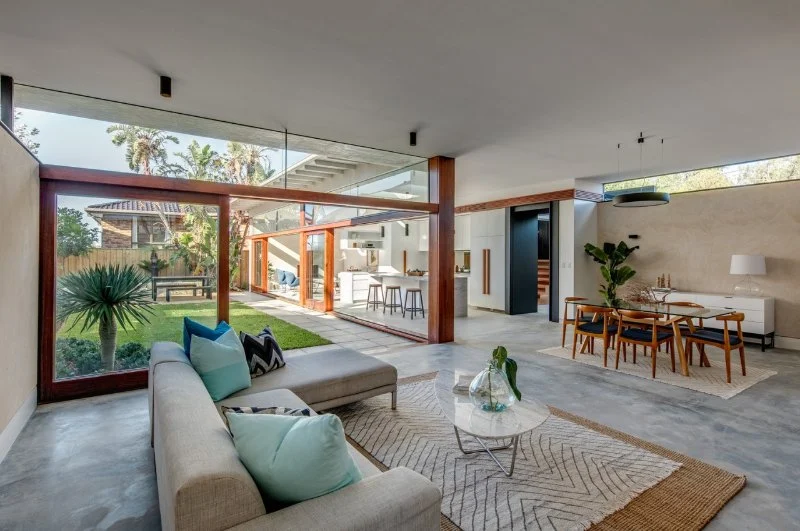
Open concept homes offer spacious, flowing areas but can sometimes lack visual separation. Using carpet strategically helps define functional zones without building walls, preserving the openness while creating distinct spaces.
Lumber Liquidators
HartfordCapitol Planning RegionConnecticut
121 Brainard Rd, Hartford, CT 06114, USA
1.1 Creating Visual Boundaries
Carpet acts as a visual cue to differentiate spaces such as living areas, dining areas, and reading nooks. Area rugs or wall-to-wall carpets can create a natural division while adding warmth and texture to the floor.
1.2 Acoustic and Comfort Benefits
Carpet reduces noise by absorbing sound, making open spaces feel cozier. It also adds comfort underfoot, which is especially beneficial in high-traffic zones like living rooms or home offices.
1.3 Flexibility in Design
Unlike permanent walls, carpets are movable. This allows homeowners to reconfigure zones or update design aesthetics easily, providing flexibility as lifestyle needs change.
2. Choosing the Right Carpet for Each Zone
Selecting the right type of carpet for each area is essential for both functionality and style.
2.1 Material Considerations
High-traffic areas require durable fibers such as nylon or wool blends, while low-traffic zones like reading corners can accommodate softer options like plush carpets for comfort.
2.2 Size and Shape Selection
Carpet dimensions should match the furniture layout to anchor the space effectively. Rectangular rugs suit dining tables, while larger square rugs can define living areas with seating arrangements.
2.3 Pile Height and Texture
Low pile carpets are easier to clean and maintain in dining or high-traffic zones, whereas high pile or shag rugs provide cozy comfort in lounging or bedroom areas.
3. Living Room Zoning Ideas
Using carpets in the living room can define seating arrangements and create an inviting gathering space.
3.1 Anchor Seating Areas
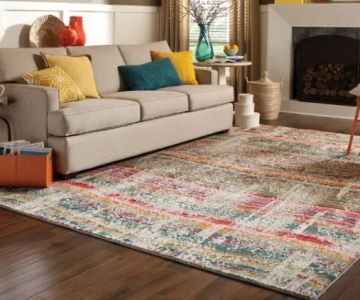
Place a large area rug beneath sofas and chairs to form a defined conversation zone. Ensure the rug is large enough for furniture to sit fully on it or at least the front legs for visual cohesion.
3.2 Layering Rugs
Layering smaller rugs on top of a base carpet adds depth, texture, and visual interest while subtly marking functional sub-zones within the living space.
3.3 Highlighting Features
Use rugs to draw attention to fireplaces, coffee tables, or media areas, emphasizing focal points in open living layouts.
4. Dining Area and Kitchen Zone Separation
Open floor plans often merge kitchens and dining rooms, which can blur the functional boundaries. Carpets help create subtle separation.
4.1 Defining Dining Spaces
Place a durable rug under the dining table to delineate the dining zone. Choose easy-to-clean materials like polypropylene to resist spills and stains.
4.2 Kitchen Carpet Options
While wall-to-wall carpet is less common in kitchens, runners can guide movement and define pathways without compromising accessibility.
4.3 Coordinating Colors
Ensure kitchen rugs complement the dining area carpet to maintain cohesion while visually separating zones.
5. Bedroom and Home Office Zoning
In open concept lofts, bedrooms and home offices often share large spaces. Carpets help establish privacy and comfort.
5.1 Bed Area Definition
Use a plush carpet under the bed to create a cozy sleeping area. Extend it beyond the bed frame to anchor the space visually.
5.2 Office Space Demarcation
Place a low-pile or patterned rug under the desk and chair to define the home office area, distinguishing it from the rest of the room.
6. Layering and Texture Tips
Combining multiple rugs or textures enhances depth and defines functional zones.
6.1 Mixing Materials
Blend natural fibers with synthetic carpets to introduce contrast, visual interest, and functional benefits like durability in high-traffic areas.
6.2 Layering Techniques
Layer rugs with different textures or patterns to create subtle transitions between zones, adding both style and functional clarity.
7. Color Coordination and Pattern Choices
Color and pattern can visually separate spaces without creating physical barriers.
7.1 Complementary Colors
Use color contrasts to define zones—for example, a neutral sofa area rug paired with a patterned dining rug adds distinction while keeping harmony.
7.2 Patterns for Flow
Stripes or geometric patterns can lead the eye across zones, maintaining continuity while marking separate functional areas.
8. Practical Tips for Installation and Maintenance
Proper installation and ongoing care ensure the longevity and effectiveness of carpets in defining zones.
8.1 Professional Installation
For wall-to-wall carpets or complex layouts, professional installation ensures precise fitting and prevents tripping hazards.
8.2 Maintenance Practices
Vacuum frequently, clean spills immediately, and rotate rugs periodically to maintain appearance and prevent uneven wear.
8.3 Seasonal Updates
Switch rugs seasonally or use removable area rugs for easy updates, keeping the design fresh and responsive to lifestyle changes.
9. Real-Life Home Design Examples
Case 1: A Chicago loft used a combination of a neutral wool carpet for the living area and a bold patterned rug under the dining table. The result was visually separated zones without walls, maintaining an open and airy feel.
Case 2: In a San Francisco open plan home, layering a jute rug under the bed and a soft shag rug in the lounge nook defined sleeping and relaxation spaces effectively. Guests and family appreciated the intuitive zoning.
10. Why Choose CarpetHub for Carpet Solutions
CarpetHub offers an extensive selection of carpets, rugs, and installation services perfect for defining zones in open concept homes.
10.1 Wide Selection
From durable synthetics to luxurious wools, CarpetHub provides options for every zone, ensuring both style and functionality.
10.2 Expert Guidance
Professional designers at CarpetHub help homeowners choose carpets that match their lifestyle, traffic needs, and interior design vision.
10.3 Reliable Installation Services
CarpetHub offers expert installation, ensuring each rug or wall-to-wall carpet is properly fitted, enhancing both safety and aesthetic appeal.


 Big Marty's Carpets4.0 (62 reviews)
 New England Imported Rug Gallery5.0 (4 reviews)
 Juncal's Flooring Corp5.0 (73 reviews)
 Tracy Floors & Tile5.0 (40 reviews)
 Leo's Floor Covering and Counters Inc.4.0 (33 reviews)
 Elite Flooring Supply of Southampton0.0 (0 reviews)
 Eco-Friendly Carpets That Are Both Sustainable and Stylish
 What Are the Most Popular Carpet Colors for Homeowners in 2025?
 How to Make Your Carpet Look and Feel Luxurious
 How to Blend Carpet with Your Home’s Other Flooring Choices: Tips and Ideas
 Choosing Between Wall-to-Wall and Area Rugs: Which is Right for You?
 The Best Carpets for Transforming Your Living Room into a Cozy Retreat