
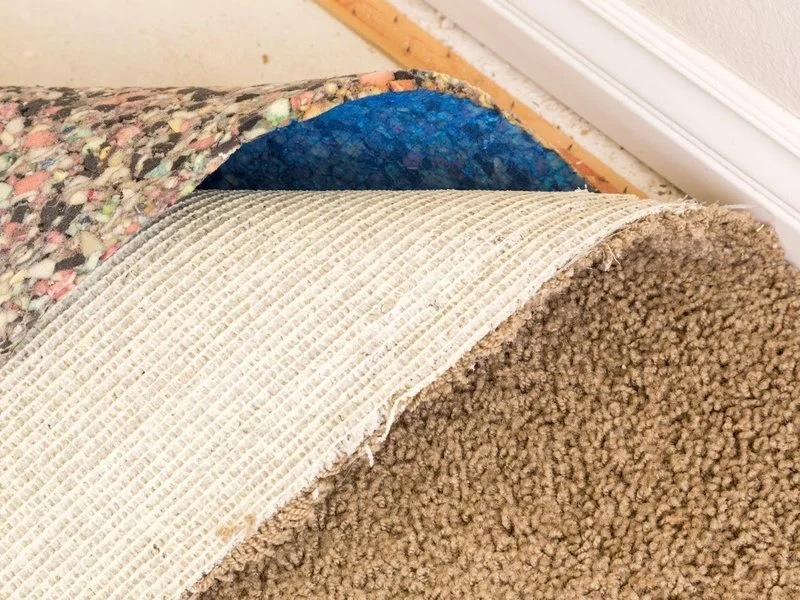
- 1-Importance-of-Carpet-Padding
- 2-Types-of-Carpet-Padding
- 3-Foam-Padding-Options
- 4-Rubber-and-Felt-Padding
- 5-Selecting-the-Right-Padding
- 6-Real-Life-Examples-and-Case-Studies
- 7-Maintenance-and-Longevity-Tips
1. Why Carpet Padding Matters
Choosing the right carpet padding is often overlooked, yet it’s critical for both comfort and durability. A high-quality padding not only enhances the feel of your carpet underfoot but also prolongs the life of the carpet by reducing wear and tear. Without proper padding, even the most luxurious carpet can wear unevenly or feel hard, impacting the overall experience of your space.
For homeowners in the U.S., investing in premium carpet padding can significantly improve daily comfort, especially in high-traffic areas like living rooms and hallways. Moreover, well-chosen padding contributes to insulation, reducing noise and helping maintain a consistent indoor temperature.
2. Types of Carpet Padding
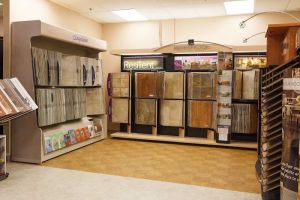
Carpet padding comes in several materials, each offering unique advantages for comfort and durability. Understanding these options will help you make an informed decision:
Home Outlet
East HartfordCapitol Planning RegionConnecticut
School Street Plaza, 265 Ellington Rd Suite B, East Hartford, CT 06108, USA
2.1 Foam Padding
Foam padding is lightweight and soft, providing excellent comfort. It’s available in different densities, typically ranging from 6 to 12 pounds per cubic foot. Higher-density foam supports heavy furniture without compressing too quickly, making it ideal for bedrooms or low-traffic areas.
2.2 Rubber Padding
Rubber padding, including rebond and waffle rubber, is known for its durability and resilience. Rebond rubber, made from recycled materials, offers firm support and is resistant to compression. Waffle rubber features a textured surface that improves airflow and longevity, perfect for areas with heavy foot traffic.
2.3 Felt Padding
Felt padding is dense and firm, providing a stable base for carpets. Often used under Berber or looped carpets, felt absorbs impact and helps prevent rippling over time. It’s especially suitable for commercial spaces or homes with pets where durability is a priority.
3. Foam Padding Options
Foam padding offers versatility and comfort but requires careful selection based on density and thickness. Here’s a deeper look:
- Memory Foam: Provides luxurious softness and molds to the foot, great for bedrooms but less durable under heavy traffic.
- High-Density Foam: Balances comfort and durability, suitable for living rooms and hallways.
- Low-Density Foam: Soft and cushioned but prone to quicker wear; ideal for areas with light traffic.
4. Rubber and Felt Padding Advantages
Rubber and felt padding are highly recommended for long-term durability. Rubber padding resists crushing and provides excellent support for furniture-heavy rooms, while felt padding prevents wear in commercial settings. Some homeowners even combine layers, using a rubber base with a felt top layer, achieving both comfort and resilience.
5. How to Select the Right Carpet Padding
When selecting carpet padding, consider these factors:
- Carpet Type: Plush or frieze carpets benefit from soft foam, whereas Berber or looped carpets pair better with dense felt.
- Room Traffic: High-traffic areas require denser rubber or felt padding to prevent premature wear.
- Furniture Placement: Heavy furniture needs high-density padding to avoid permanent indentations.
- Climate and Insulation Needs: Padding can enhance insulation; choose materials that provide thermal and sound benefits if needed.
For tailored advice and the best product selection, CarpetHub offers curated recommendations for every carpet and home setup.
6. Real-Life Examples and Case Studies
One homeowner in New York shared how switching from low-density foam to a 10-pound high-density foam padding transformed her living room carpet. The carpet felt softer underfoot, and heavy furniture no longer left deep indentations after months of use. Another example comes from a family in Texas who installed rubber waffle padding under their hallway carpet, which dramatically reduced wear in one of the highest traffic areas of their home.
These stories highlight the practical impact of choosing the right padding, proving that even modest upgrades can enhance comfort and extend carpet life.
7. Maintenance and Longevity Tips
To maximize the benefits of carpet padding:
- Vacuum regularly to prevent debris from compressing the padding.
- Rotate furniture or use furniture coasters to minimize permanent indentations.
- Address spills quickly to prevent moisture damage.
- Consider professional carpet cleaning periodically to preserve both carpet and padding.
Following these practices ensures that your investment in high-quality carpet padding delivers long-term comfort and durability.
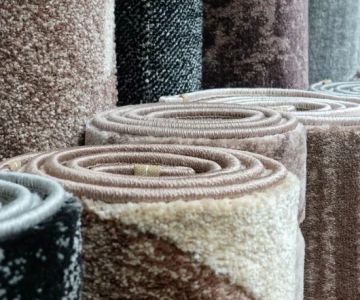
 At Home4.0 (459 reviews)
 Luke's Flooring5.0 (8 reviews)
 FB RUGS INC4.0 (22 reviews)
 Avalon Flooring - Manalapan, NJ4.0 (177 reviews)
 A & K Flooring and Home5.0 (123 reviews)
 Townsend Floors and Interiors4.0 (7 reviews)
 What Are the Benefits of Choosing a Frieze Carpet for Your Home?
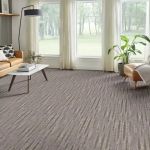 Top Carpet Trends to Follow in 2025 for Your Home
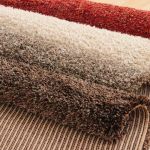 How to Choose Carpet for a Rental Property: Best Practices for Landlords
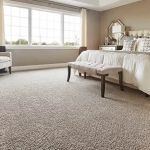 Affordable Carpet Choices That Don’t Compromise on Quality
 Can Carpets Improve the Acoustics of Your Home?
 The Best Carpet for Hot Climates: Keep Your Home Cool & Comfortable