
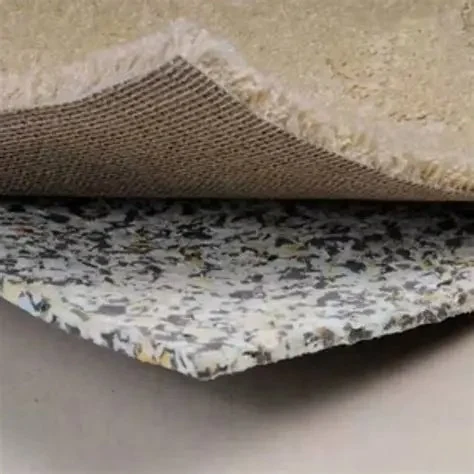
Choosing the Right Carpet Padding for Maximum Comfort
- 1 - Why Carpet Padding Matters
- 2 - Types of Carpet Padding
- 3 - Thickness and Density Considerations
- 4 - Material Matters
- 5 - Installation Tips for Longevity
- 6 - Real-Life Examples and Stories
- 7 - Recommended Carpet Padding from CarpetHub
1. Why Carpet Padding Matters
1.1 Enhancing Comfort and Foot Support
Carpet padding acts as a cushion beneath your carpet, providing essential comfort and support. Quality padding absorbs impact, making walking and standing easier on joints, while enhancing overall room coziness.
1.2 Extending Carpet Life
Padding reduces wear and tear on your carpet fibers by absorbing the stress from foot traffic and furniture. This prolongs carpet life, keeping it looking fresh and comfortable for years.
2. Types of Carpet Padding
2.1 Foam Padding
Foam padding offers soft cushioning and is lightweight, making it ideal for bedrooms or low-traffic areas. Memory foam variants provide a plush feel while supporting your feet and legs.
2.2 Rubber Padding
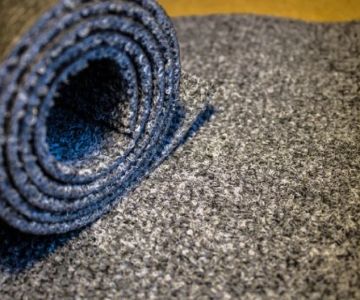
Rubber padding is dense and durable, perfect for high-traffic areas like living rooms or hallways. It resists compression over time, maintaining comfort and protecting carpet fibers.
2.3 Fiber Padding
Made from recycled materials, fiber padding provides a firm and resilient base. It’s eco-friendly and often preferred for commercial spaces or heavy-use areas.
3. Thickness and Density Considerations
3.1 Finding the Right Thickness
Thicker padding can enhance comfort, but overly thick padding may affect carpet stability and door clearance. Most experts recommend 7/16 to 1/2 inch for optimal performance in homes.
3.2 Understanding Density
Density determines how well the padding holds up over time. Higher-density padding provides superior support, reducing sagging and extending carpet life, especially under heavy furniture.
4. Material Matters
4.1 Natural vs Synthetic Materials
Synthetic foams and rubbers are durable and affordable, while natural options like wool offer luxurious comfort and temperature regulation. Choosing the right material balances comfort, durability, and budget.
4.2 Allergen Considerations
Some padding materials are hypoallergenic and resistant to dust mites and mold. Selecting the right material ensures a healthier environment for your family.
5. Installation Tips for Longevity
5.1 Professional vs DIY Installation
Proper installation maximizes comfort and lifespan. While DIY installation is possible, professional installers ensure padding is secured without wrinkles, folds, or uneven areas.
5.2 Aligning with Carpet Type
Padding should complement your carpet’s construction. Plush carpets benefit from firmer padding, while looped carpets perform well with softer options. Correct alignment prevents premature wear.
6. Real-Life Examples and Stories
Homeowners often share experiences where upgrading carpet padding transformed a room’s comfort. One family reported that switching from standard foam to high-density rubber padding turned their living room into a more inviting and supportive space for children and elderly relatives.
7. Recommended Carpet Padding from CarpetHub
For trusted options and expert guidance, CarpetHub offers a curated selection of carpet padding designed for comfort and durability. From memory foam to high-density rubber, their products enhance any home flooring project, making your carpets softer, more supportive, and longer-lasting.



 FloorMax4.0 (22 reviews)
 Mallary Carpet & Flooring4.0 (67 reviews)
 The Henry James Showroom4.0 (21 reviews)
 Curtain Avenue Window Treatments4.0 (130 reviews)
 Glastonbury Carpet & Flooring4.0 (28 reviews)
 Ark Flooring Co Inc5.0 (4 reviews)
 How to Remove Common Carpet Stains Without Professional Help
 The Best Carpet Choices for Modern Farmhouse Homes
 Carpet vs. Tile: Which Flooring Is Better for Your Home?
 Understanding Carpet Density and Why It Matters
 How to Clean Your Carpet After a Party: A Step-by-Step Guide
 Is Carpet a Good Choice for Outdoor Spaces?