
- Choosing-The-Best-Carpet-for-Radiant-Floor-Heating-Systems
- Understanding-How-Radiant-Floor-Heating-Works-Under-Carpet
- Carpet-Types-That-Allow-Heat-to-Flow-Efficiently
- The-Importance-of-Carpet-Padding-and-Thermal-Resistance
- Real-Homeowner-Stories-and-Practical-Experiences
- Professional-Tips-for-Maximizing-Comfort-and-Energy-Efficiency
- Where-to-Find-Quality-Carpet-Options-for-Heated-Floors
Choosing the Best Carpet for Radiant Floor Heating Systems
Radiant floor heating has quietly become one of the most comfortable heating solutions in modern American homes. Instead of blowing warm air through vents, the system distributes heat evenly through the floor surface, creating a gentle warmth that rises naturally throughout the room.
However, many homeowners hesitate when choosing carpet for these systems. A common concern is whether carpet will block heat or reduce efficiency. The truth is that the right carpet works beautifully with radiant heat. In fact, a well-chosen carpet can make heated floors feel even more comfortable by adding softness and insulation without preventing heat transfer.
The key lies in selecting materials with low thermal resistance, appropriate pile height, and compatible padding. Understanding these elements helps homeowners maintain both warmth and energy efficiency.
1. Comfort Meets Technology
Radiant heating systems are designed to deliver steady warmth rather than intense bursts of heat. Because of this, carpets do not necessarily trap heat the way many people assume. Instead, they create a balanced layer that distributes warmth gently through the room.

2. Why Carpet Still Makes Sense
Hard surfaces like tile and stone conduct heat extremely well, but carpet offers something they cannot—cozy comfort underfoot. Bedrooms, living rooms, and family spaces often benefit from carpet’s softness, especially in homes where heated floors are meant to create a relaxing environment.
Understanding How Radiant Floor Heating Works Under Carpet
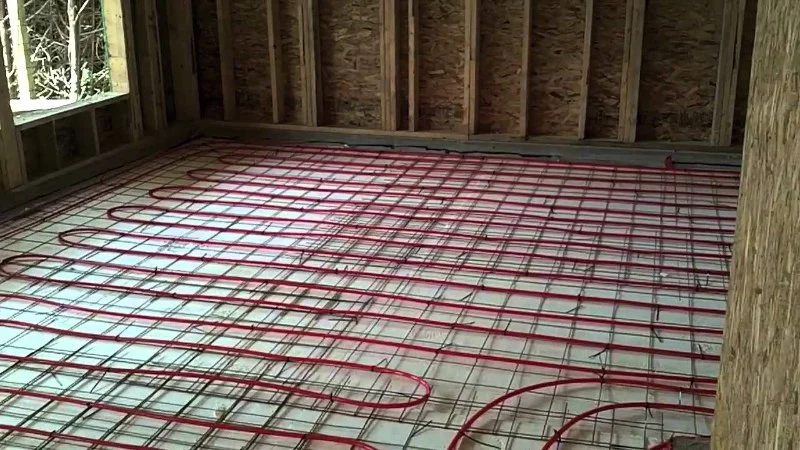
To choose the best carpet for radiant floor heating, it helps to understand how these systems operate. Radiant systems typically fall into two categories: hydronic (water-based) and electric heating systems.
1. Hydronic Radiant Heating Systems
Hydronic systems circulate warm water through tubing installed beneath the floor. These systems are especially popular in colder regions of the United States such as Colorado, Minnesota, and parts of New England.
Because hydronic systems distribute heat slowly and evenly, carpet with moderate insulation does not significantly impact performance when installed correctly.
2. Electric Radiant Heating Systems
Electric systems use heating cables or mats beneath the flooring surface. They respond slightly faster to temperature adjustments and are commonly installed in bathrooms, kitchens, and smaller living spaces.
Carpet used over electric radiant systems should maintain low thermal resistance so the warmth can pass through easily without forcing the system to work harder.
Carpet Types That Allow Heat to Flow Efficiently
Not all carpets perform the same when installed over heated floors. Certain materials and constructions allow heat to move upward efficiently while still providing the comfort homeowners expect.
1. Low-Pile Carpet Options
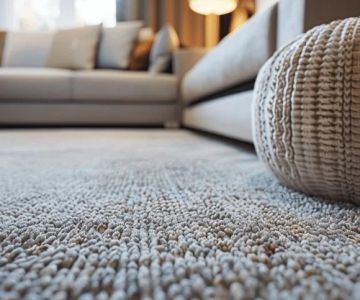
Low-pile carpets are generally considered the best carpet for homes with radiant floor heating. Their shorter fibers reduce insulation thickness, allowing heat to travel through more easily.
Why Low-Pile Works Well
Shorter fibers mean less resistance between the heating source and the room above. As a result, heat disperses faster and more evenly. Berber, loop pile, and low-profile cut pile carpets are particularly effective choices.
2. Wool Carpets
Wool carpets offer a unique balance of insulation and breathability. While wool provides warmth and durability, it still allows steady heat flow when paired with thin padding.
Many eco-conscious homeowners prefer wool because it is naturally sustainable and long-lasting. In radiant heated homes, wool also retains warmth, making rooms feel comfortable even when the system cycles off.
3. Synthetic Fiber Carpets
Nylon and polyester carpets are commonly used in radiant heating environments because they conduct heat more efficiently than thicker natural fiber constructions.
These carpets are also durable and stain resistant, making them popular choices for family homes with children and pets.
The Importance of Carpet Padding and Thermal Resistance
While carpet selection matters, the padding beneath it often plays an even bigger role in heat transfer. The combined thermal resistance of carpet and padding—known as the R-value—determines how easily heat travels through the floor.
1. Choosing the Right Padding Thickness
For radiant floor heating systems, thinner padding generally performs best. Dense foam or rubber padding around 3/8 inch thick is often recommended because it supports the carpet without excessively blocking heat.
2. Understanding Thermal Resistance
Heating professionals often recommend that the combined R-value of carpet and padding stay below approximately 4. This allows efficient heat transfer while still maintaining comfort and insulation.
3. Balancing Efficiency and Comfort
A common mistake homeowners make is selecting extremely thick carpet and padding in an attempt to increase softness. Unfortunately, overly thick materials can force heating systems to run longer, increasing energy consumption.
The ideal solution balances warmth, efficiency, and comfort.
Real Homeowner Stories and Practical Experiences
Across online home improvement communities and renovation forums, radiant floor heating paired with carpet has become a widely discussed topic.
1. A Colorado Family Renovation
A homeowner in Boulder, Colorado shared their renovation story on a popular home design forum. After installing hydronic radiant heating during a basement remodel, the family initially considered tile flooring.
However, they ultimately chose a low-pile nylon carpet for the family media room. The result surprised them—heat still flowed evenly, and the carpet made the space feel warmer and quieter than hard flooring would have.
2. A Modern Townhouse in Seattle
Another homeowner in Seattle documented their electric radiant heating installation beneath bedroom carpeting. By selecting thin padding and a tightly woven wool carpet, they maintained comfortable temperatures while enjoying a luxurious feel underfoot during the city’s damp winters.
These real-world experiences highlight how thoughtful carpet choices can complement heated flooring systems rather than hinder them.
Professional Tips for Maximizing Comfort and Energy Efficiency
Interior designers and flooring installers often share a few consistent recommendations when combining carpet with radiant heating systems.
1. Work With Experienced Installers
Professional installers understand how to maintain proper airflow and system compatibility. They can recommend specific carpet constructions that work well with the heating system installed in your home.
2. Avoid Excessively Thick Carpets
While plush carpets feel luxurious, they can reduce heating efficiency. A well-constructed low-pile carpet often provides the perfect balance of softness and performance.
3. Monitor Thermostat Settings
Radiant heating systems work best with gradual temperature adjustments. Avoid frequent thermostat changes, which can reduce efficiency and cause uneven heating beneath carpeted areas.
Where to Find Quality Carpet Options for Heated Floors
Selecting the best carpet for radiant floor heating becomes much easier when you can compare materials, pile heights, and padding options in one place.
Many homeowners explore specialized flooring resources to understand how different carpet styles perform with heated flooring systems. Platforms like CarpetHub provide access to curated carpet selections, installation insights, and professional recommendations tailored for modern homes using radiant heating technology.
Whether you are renovating a basement, designing a cozy bedroom, or upgrading your entire home’s heating system, choosing the right carpet ensures that comfort, efficiency, and style work together seamlessly.
When properly selected and installed, carpet and radiant heating can create one of the most comfortable living environments available—warm floors, quiet rooms, and an inviting atmosphere that homeowners appreciate every day.



 Ollie's Bargain Outlet4.0 (445 reviews)
 FAB Flooring INC3.0 (11 reviews)
 HomeGoods4.0 (345 reviews)
 Richmond Hardwood Sanding4.0 (8 reviews)
 Lowe's Home Improvement4.0 (2019 reviews)
 Chenard's Carpet Shop-Home Services4.0 (10 reviews)
 How the Right Carpet Can Help Maintain a Healthy Indoor Environment
 Why Carpet is Still the Best Option for Bedrooms: Comfort, Style, and Durability
 Choosing the Best Carpet for Homes with Pets
 Should You Choose Carpets or Hardwood for Your Home’s Entryway?
 Creating a Warm and Inviting Space with Carpets
 Choosing Carpets for Rental Properties: Durable and Cost-Effective Options