
How to Fix and Prevent Carpet Buckling
Carpet buckling is a common issue that many homeowners face, and while it may seem like a simple problem, it can affect the overall appearance and functionality of your floors. Whether you're dealing with wrinkles, ripples, or more severe buckling, understanding how to fix and prevent it is key to maintaining your carpet's integrity. In this guide, we'll discuss the causes of carpet buckling, how to fix it, and the best practices to prevent it from happening in the future.
- 1. Why Do Carpets Buckle?
- 2. How to Fix Carpet Buckling
- 3. How to Prevent Carpet Buckling
- 4. Common Mistakes to Avoid During Carpet Installation
1. Why Do Carpets Buckle?
Carpet buckling, often characterized by the appearance of wrinkles or waves in the carpet, occurs when the carpet becomes loose from its original position. This can be caused by several factors:
- Improper Installation: If the carpet wasn’t stretched properly during installation, it can lead to buckling over time. This is especially common in larger rooms where the carpet has more space to shift.
- Excess Moisture: Humidity or spills can cause the carpet fibers to expand. When the moisture evaporates, the fibers shrink, resulting in a wrinkled or buckled appearance.
- Temperature Changes: Extreme fluctuations in temperature can cause the carpet fibers to expand and contract, leading to buckling.
- Heavy Foot Traffic: Areas with constant foot traffic can put stress on the carpet, making it more prone to shifting and buckling.
2. How to Fix Carpet Buckling
If you're dealing with carpet buckling, the good news is that it can usually be fixed. Here’s how you can address this issue:
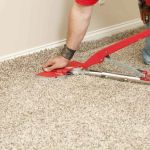
- Professional Carpet Stretching: If the buckling is severe, professional carpet stretching may be necessary. A carpet installer will use a specialized tool to stretch the carpet and remove any wrinkles or ripples.
- DIY Carpet Stretching: For less severe buckling, you can try DIY carpet stretching using a carpet stretcher or a knee kicker. This method requires some skill, so it’s best suited for those with experience.
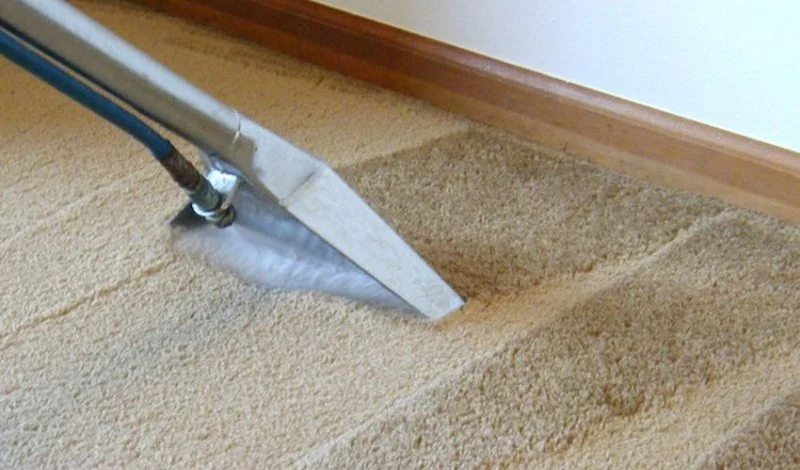
- Using a Carpet Cleaning Tool: Sometimes, a thorough cleaning can help release trapped moisture and allow the carpet to settle back into place. A steam cleaner can also help loosen fibers that have contracted.
- Re-gluing the Carpet: In some cases, carpet buckling can be fixed by re-gluing the edges of the carpet. This method works best for small sections of carpet that have come loose.
3. How to Prevent Carpet Buckling
The best way to deal with carpet buckling is to prevent it from happening in the first place. Here are some tips to help you keep your carpet looking great:
- Ensure Proper Installation: When installing carpet, it’s crucial to hire a professional who knows how to properly stretch and secure the carpet. An experienced installer will use the right tools and techniques to avoid buckling.
- Control Humidity Levels: Excess moisture is one of the main causes of carpet buckling. To prevent this, use a dehumidifier in damp areas and address any water leaks or spills promptly.
- Protect Your Carpet from Direct Sunlight: Prolonged exposure to direct sunlight can weaken the carpet fibers and cause them to buckle. Use curtains, blinds, or UV protectant sprays to shield your carpet from the sun.
- Use Carpet Padding: High-quality padding beneath your carpet can help absorb some of the stress from foot traffic and temperature changes, reducing the likelihood of buckling.
4. Common Mistakes to Avoid During Carpet Installation
To avoid future carpet buckling, it’s essential to be aware of common installation mistakes. Here are some things to watch out for:
- Skipping the Carpet Stretching Process: One of the biggest mistakes homeowners make is not properly stretching the carpet during installation. This step is crucial for ensuring the carpet fits tightly and doesn’t buckle later on.
- Choosing the Wrong Type of Carpet: Not all carpets are made to handle high foot traffic or extreme temperature fluctuations. Be sure to choose a carpet type that suits your specific needs and environment.
- Neglecting to Address Moisture Issues: If you live in a humid area or have a history of water damage, it’s essential to address moisture problems before installing new carpet. Consider using a moisture barrier or waterproofing treatments to protect your carpet.
Carpet buckling can be a frustrating problem, but with the right knowledge and tools, it’s a fixable one. Whether you choose to tackle it yourself or call in a professional, it’s important to address the issue promptly to avoid further damage. For more expert advice on carpet care, visit CarpetHub for the best products and services tailored to your needs.



 99 Carpets5.0 (185 reviews)
 ARD Tile Carpet & Vinyl Co Inc.5.0 (3 reviews)
 Woven Legends5.0 (10 reviews)
 CNY Flooring4.0 (26 reviews)
 The Home Depot4.0 (1081 reviews)
 LeClaire Flooring & Design4.0 (46 reviews)
 What to Look for in a Carpet Installer for Your Home: Key Tips for a Perfect Fit
 Why Carpet Padding Matters: Comfort and Protection for Your Carpet
 Carpet Styles That Add Luxury to Any Room
 Carpet Design Mistakes to Avoid in Your Home Makeover
 Why Carpet Can Be the Best Flooring Choice for Homes with Elderly Family Members
 Earthy Tones in Carpet Design: What’s Hot Right Now