
How to Style Carpets for Small Spaces: Design Tips and Tricks That Actually Work in Real Homes
- Why Carpets Matter in Small Spaces #importance-of-carpets
- Choosing the Right Carpet Size for Compact Rooms #carpet-size
- Color Psychology and Visual Expansion Tricks #color-design
- Smart Placement Strategies for Apartments #placement
- Layering Rugs Without Clutter #layering
- Real-Life Apartment Makeover Story #case-study
- Common Design Mistakes in Small Rooms #mistakes
- How Texture Changes Perception of Space #texture
- Lighting and Carpet Interaction #lighting
- Long-Term Styling Strategy for Small Homes #strategy
Why Carpets Matter in Small Spaces
More than decoration—carpets define structure
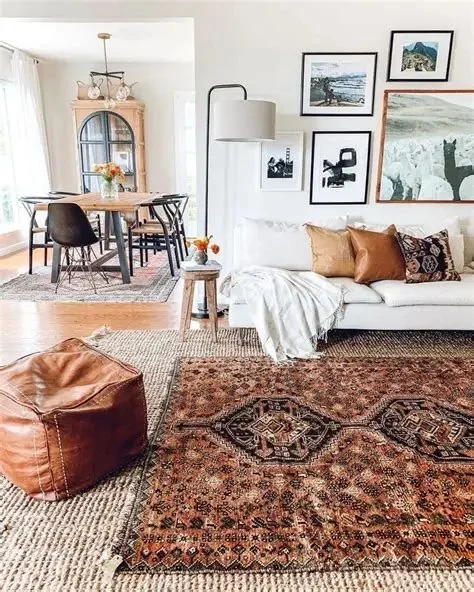
Understanding how to style carpets for small spaces begins with recognizing their functional role. Carpets are not just decorative pieces; they define zones, add warmth, and visually structure compact rooms.
In studio apartments or small living rooms, a well-placed carpet can separate a sleeping area from a lounge area without the need for physical walls.
Psychological comfort in tight environments
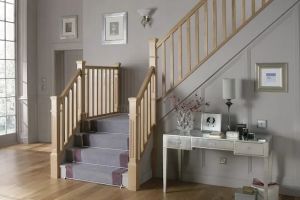
Small spaces often feel overwhelming if not balanced properly. A carpet adds softness and reduces the harshness of hard floors, making the environment feel more livable.

Choosing the Right Carpet Size for Compact Rooms
Why size mistakes are the most common issue
One of the biggest challenges in carpet styling small spaces is choosing the wrong size. Too small, and the room feels fragmented. Too large, and it overwhelms the space.
A balanced approach is to allow furniture legs to partially sit on the carpet, which visually connects the layout.
Practical sizing approach
In small apartments, medium-sized rugs often work best because they anchor the space without overpowering it.
Color Psychology and Visual Expansion Tricks
Light tones for expanding perception
Light-colored carpets such as beige, soft gray, or muted pastels create an illusion of openness. This is a key principle in interior design small spaces carpets strategy.
Darker tones can still work but should be balanced with light furniture or bright walls.
Subtle patterns instead of heavy designs
Busy patterns tend to shrink visual space. Minimal geometric or soft textured designs are more effective in small rooms.
Smart Placement Strategies for Apartments
Defining zones without walls
In small apartments, rug placement tips small rooms revolve around zoning. For example, placing a carpet under a sofa and coffee table creates a clear living area.
This approach is especially useful in open-plan studio apartments.
Alignment with furniture edges
Keeping carpet edges aligned with furniture helps maintain visual order and prevents cluttered impressions.
Layering Rugs Without Clutter
Why layering works in small spaces
Layering rugs small rooms is a trend that adds depth and personality without requiring large furniture changes.
A neutral base rug combined with a smaller patterned rug can create visual interest while maintaining balance.
How to avoid over-layering
The key is restraint. Two layers are usually enough; more can quickly make the space feel crowded.
Real-Life Apartment Makeover Story
A small New York studio transformation
A young professional living in Manhattan struggled with a 400-square-foot studio that felt cramped and unorganized. The biggest improvement came from redesigning carpet placement.
By introducing a light-toned rug under the seating area and a smaller textured carpet near the bed, the apartment suddenly felt divided into functional zones.
The transformation was so effective that guests often assumed the apartment was significantly larger than it actually was.
Common Design Mistakes in Small Rooms
Overcrowding with multiple patterns
One frequent mistake in small room rug ideas is mixing too many bold patterns. This creates visual noise and reduces perceived space.
Ignoring floor visibility balance
Completely covering the floor can make a room feel boxed in. Leaving visible floor edges helps maintain openness.
How Texture Changes Perception of Space
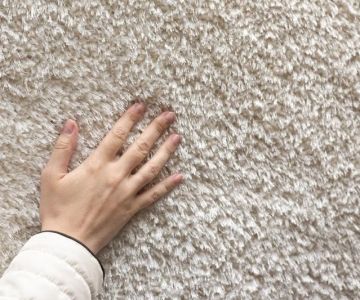
Soft textures create warmth
Plush carpets add comfort and coziness, but they must be balanced with minimal furniture to avoid heaviness.
Flat-weave carpets are often preferred for compact areas because they maintain a cleaner visual line.
Lighting and Carpet Interaction
How natural light affects carpet appearance
Lighting plays a major role in visual space expansion rugs strategies. Natural light enhances lighter carpets, making rooms feel open and airy.
Artificial lighting can be used to highlight carpet textures and define zones during nighttime.
Long-Term Styling Strategy for Small Homes
Adapting design as lifestyle changes
Small space living is often dynamic. Furniture and carpet arrangements may need to evolve as needs change, especially in rental apartments.
Investing in versatile carpet styles ensures flexibility without redesigning the entire space.
For readers looking to explore curated options and professional guidance on carpet styling small spaces,
A well-styled carpet does more than decorate—it reshapes how a space is experienced, making even the smallest apartment feel intentional and welcoming.
 North Syracuse Sales Co Inc.4.0 (17 reviews)
 Tile Town Carpet One4.0 (66 reviews)
 Allied Carpet4.0 (5 reviews)
 Floor & Decor4.0 (136 reviews)
 Pottery Barn Outlet3.0 (182 reviews)
 Towne Paint & Flooring5.0 (47 reviews)
 Why Carpet is Better for Certain Rooms in Your Home
 Carpet vs. Hardwood: Which Flooring Option Is Right for You? | CarpetHub
 How to Fix Wrinkles in Carpet After Installation – Expert Tips
 How to Choose Carpet That Resists Pet Hair and Stains
 How to Make Your Carpet Last Longer with Proper Care and Maintenance Tips
 The Best Carpet Colors for Brightening Up Your Space: A Guide to Choosing the Right Hue