
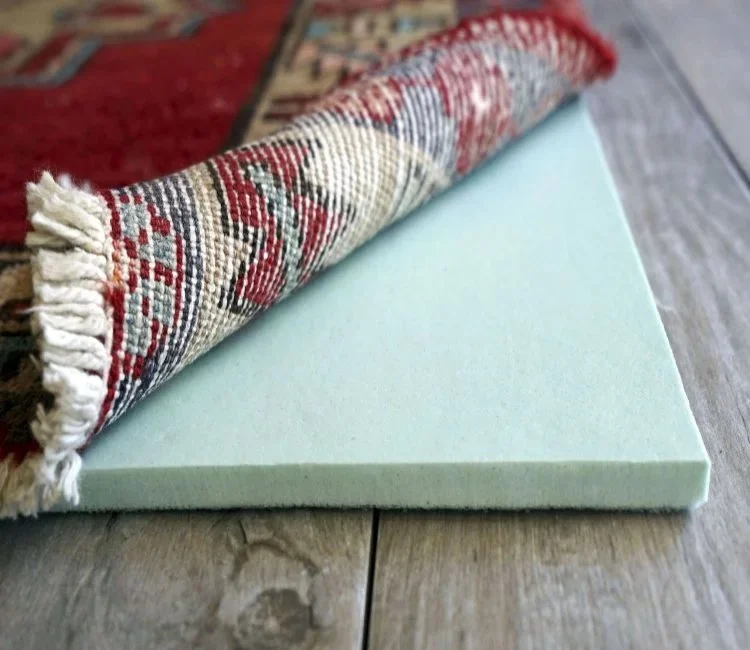
1-What Is Carpet Underlayment and Why Is It Important?
Carpet underlayment is the layer of material that is placed underneath the carpet during installation. This material acts as a cushion, providing support for the carpet and offering several benefits that go beyond just comfort. Many homeowners overlook this essential component, assuming it’s unnecessary or an added expense, but underlayment plays a critical role in improving the overall performance of your carpet, its comfort, and its longevity.

2-The Key Benefits of Carpet Underlayment
Carpet underlayment offers multiple benefits that are often underappreciated. By acting as a shock absorber, it not only increases comfort but also provides noise reduction and thermal insulation. Let’s break down some of the key advantages:
- Enhanced Comfort: Underlayment provides a soft cushion that enhances the overall feel of the carpet, making it more comfortable to walk on.
- Improved Insulation: Underlayment helps insulate the floor, keeping rooms warmer in the winter and cooler in the summer, thus improving energy efficiency.
- Noise Reduction: Underlayment absorbs sound, reducing the amount of noise that travels through the floor, which is particularly beneficial in multi-story homes or apartments.
- Protection for the Carpet: The underlayment protects the carpet from wear and tear by reducing friction between the floor and the carpet, helping your carpet last longer.
3-Different Types of Carpet Underlayment
There are several types of carpet underlayment, each with its own set of benefits and applications. Choosing the right one for your needs depends on factors such as the type of carpet, the flooring material, and your personal preferences. Some common types of carpet underlayment include:
- Foam Underlayment: A popular choice due to its affordability and ease of installation. It offers basic comfort and noise reduction.
- Rubber Underlayment: Known for its durability and excellent soundproofing qualities, rubber is ideal for homes that need extra noise control.
- Felt Underlayment: Made from recycled fibers, felt provides great comfort and helps insulate floors while being eco-friendly.
- Memory Foam Underlayment: Offers a plush, luxurious feel underfoot and is ideal for areas where you’ll be standing for long periods, like kitchens or home offices.
4-How Underlayment Enhances Comfort and Foot Support
Walking on hard floors all day can lead to foot pain and discomfort. Carpet underlayment helps alleviate this by providing additional cushioning. Whether you are standing or walking, underlayment gives your carpet a more cushioned feel, which can reduce pressure on your feet, making the surface much more comfortable. Additionally, for homes with children or elderly individuals, having that extra layer of support can also help prevent falls by improving traction.
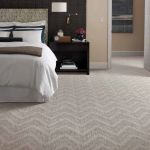
Moreover, underlayment enhances the softness of the carpet, providing a plush, comfortable surface. This makes it a highly beneficial feature for bedrooms, living rooms, and any space where comfort is a priority. In fact, many people prefer carpet with a good underlayment over hard flooring simply because of the comfort it offers.

5-How Carpet Underlayment Increases Carpet Longevity
One of the most overlooked advantages of carpet underlayment is its ability to prolong the life of your carpet. Without underlayment, carpets tend to wear out faster, especially in high-traffic areas. The friction between the carpet and the hard floor surface causes the fibers to break down more quickly, leading to a worn, flattened appearance. Underlayment acts as a protective barrier, reducing this friction and minimizing damage.
Additionally, underlayment helps maintain the carpet’s texture and appearance over time. The added cushion prevents the carpet from sagging or becoming uneven, even with heavy foot traffic. This ultimately saves you money in the long run by delaying the need for replacement or re-stretching.
6-A Real-World Example of Carpet Underlayment's Impact
Let’s look at a real-world example. A family in a large suburban home decided to replace their old carpet with new flooring. Initially, they didn’t consider underlayment, opting for a more affordable installation. After a year, they noticed the carpet started to flatten, and noise levels in the house were more noticeable, especially in the upstairs rooms. They decided to re-install the carpet with high-quality underlayment, and the difference was remarkable. The carpet not only felt more comfortable underfoot, but it also lasted longer and kept the rooms quieter. The family was delighted by the improvement in both comfort and longevity.
7-Recommendations for Choosing the Best Carpet Underlayment
When selecting the right carpet underlayment for your home, consider the following factors:
- Flooring Type: Different types of floors require different underlayments. For example, hardwood floors may need a moisture-resistant underlayment to protect the wood from humidity.
- Room Usage: For high-traffic areas or rooms where comfort is essential, opt for thicker, more cushioned underlayment.
- Sound Insulation Needs: If noise reduction is a priority, look for underlayments made from rubber or other soundproofing materials.
- Budget: While thicker underlayment can provide more comfort, there are options for every budget that still offer substantial benefits.
For more information on selecting the best underlayment for your needs, check out CarpetHub for expert recommendations and top-quality products that will enhance your carpet installation.




 Struck Floors and Remodeling4.0 (9 reviews)
 Harbor Freight4.0 (668 reviews)
 Kaoud Carpets & Rugs4.0 (168 reviews)
 Better Carpet Warehouse4.0 (52 reviews)
 ProSource of Lancaster4.0 (16 reviews)
 Island Carpet Tile & Hardwoods4.0 (121 reviews)
 Carpet Ideas for Creating a More Relaxing Home Environment
 Exploring the Benefits of Wool Carpets: Natural, Durable, and Stylish
 The Ultimate Guide to Eco-Friendly Carpets: Sustainable Choices for Your Home
 Understanding Carpet Density and Why It Matters
 How to Incorporate Carpets in Homes with Hardwood Floors
 Why Carpet is the Best Option for Comfort in Bedrooms