
- carpet-brand-face-off-basics-choosing-flooring-materials-for-modern-homes - Understanding carpet types and what really matters before buying
- nylon-vs-polyester-explained - How fiber choice affects durability, comfort, and long-term value
- best-carpet-brands-comparison-us-market - A realistic look at leading brands and where each one fits best
- real-home-case-studies-carpet-selection - Lessons from homeowners who made the right (and wrong) choices
- maintenance-and-longevity-tips - How to keep your carpet looking new for years
- where-to-shop-smart-carpet-decisions - How CarpetHub helps simplify carpet selection and installation
Carpet Brand Face-Off: Which Flooring Choice Actually Fits Real Life Homes?
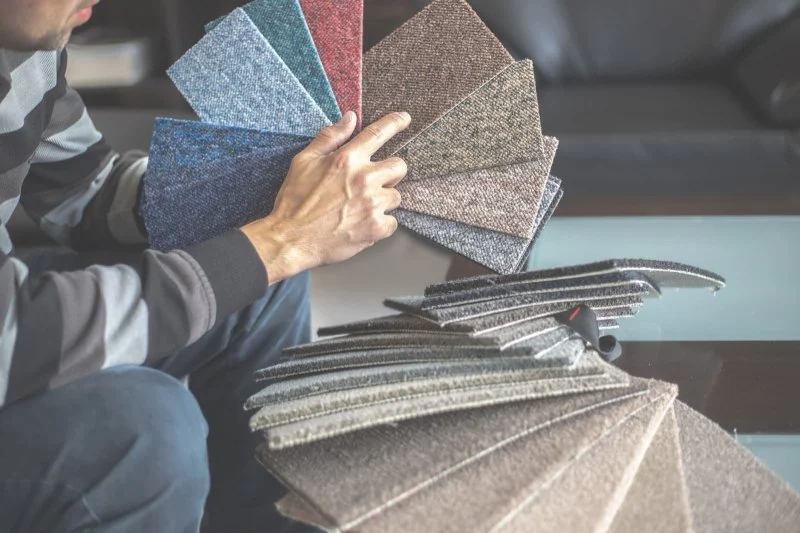
Choosing a carpet sounds simple until you actually stand inside a showroom staring at dozens of textures, fibers, and brand names that all promise comfort and durability. In reality, the decision goes far beyond color or softness. A proper carpet brand face-off means understanding how each option performs in daily life—kids running through hallways, pets scratching corners, spilled coffee on a Monday morning, and furniture marks that never quite disappear if the wrong material was chosen.
Most homeowners in the US end up comparing carpet brands not just for aesthetics, but for long-term practicality. The real question becomes: which carpet will still look good after five years of real living?

Understanding Carpet Materials Before Comparing Brands
Why Fiber Type Changes Everything
Before diving into brand comparisons, it helps to understand the foundation: fiber type. The two most common options in residential flooring are nylon and polyester, and they behave very differently under pressure.
Nylon is widely considered the most durable option. It resists crushing, holds shape well, and performs better in high-traffic areas. Polyester, on the other hand, offers a softer feel and often comes at a lower price point, but it can flatten faster in busy households.
A family in Texas once shared their experience after installing a budget polyester carpet in their living room. It looked perfect for the first few months, but after a year of weekend gatherings and kids playing indoors, visible traffic lanes formed across the center. They eventually replaced it with a nylon-based option, which held up significantly better under similar conditions.
Stain Resistance and Real-World Living
Stain resistance is not just a marketing term. Some carpets are treated with protective coatings that help prevent spills from absorbing immediately. This feature is especially valuable in homes with pets or young children.
However, no carpet is completely stain-proof. Even high-end options require quick cleaning to prevent permanent marks. This is where brand quality and fiber treatment technology make a noticeable difference.
Best Carpet Brands Comparison in the US Market
Premium Brands and Long-Term Performance
High-end carpet brands often focus on durability, texture retention, and advanced fiber engineering. These products are designed for homeowners who prioritize longevity over initial cost savings.
In many cases, premium carpets maintain their structure for over a decade when properly maintained. They are commonly used in master bedrooms, formal living areas, and spaces where comfort and appearance are equally important.
Mid-Range Options That Balance Budget and Quality
Mid-range carpet brands dominate the US residential market because they offer a balance between cost and performance. These carpets often use blended fibers that improve comfort while still maintaining decent durability.
A homeowner in Chicago recently described how switching from a low-cost carpet to a mid-range nylon blend dramatically improved the feel of their home. The space became quieter, softer underfoot, and noticeably easier to maintain during winter months when snow and moisture entered frequently.
Budget Carpets and When They Make Sense
Budget carpet options are not inherently bad—they simply serve different needs. They are often used in rental properties, temporary housing, or low-traffic rooms such as guest bedrooms.
The key limitation is lifespan. Most budget carpets show wear significantly faster, especially in households with active lifestyles. Still, for short-term use, they can be a practical solution.
Real Home Case Studies: What Actually Works in Everyday Life
Case 1: The Busy Family Household
A family with three children and two dogs in California replaced their entire downstairs flooring after repeated carpet damage. Initially, they chose a soft polyester carpet for comfort, but within two years, high-traffic areas became visibly worn.
After switching to a high-quality nylon carpet, they noticed immediate improvement. The surface stayed structured, cleaning became easier, and pet hair did not embed as deeply into fibers.
Case 2: The Minimalist Apartment Upgrade
In a New York apartment, a single professional opted for a mid-range carpet focusing on aesthetic appeal and comfort. Since foot traffic was low, the carpet maintained its appearance for years without major issues.
This case highlights an important truth: carpet choice is not universal. Lifestyle determines performance more than brand reputation alone.
Case 3: Rental Property Efficiency
A property manager managing multiple units chose cost-effective carpet rolls designed for easy replacement. While not luxurious, they allowed quick turnover between tenants and minimized long-term maintenance costs.
Maintenance and Longevity: How to Extend Carpet Life
Daily Habits That Make a Difference
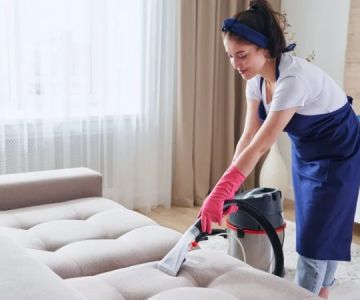
Regular vacuuming is one of the simplest but most effective ways to preserve carpet quality. Dirt particles act like sandpaper over time, breaking down fibers if left untreated.
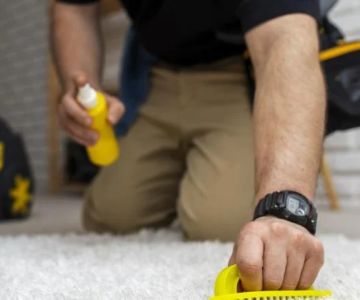
Spot cleaning spills immediately also prevents staining from setting in permanently. Even premium carpets benefit from quick attention after accidents.
Professional Cleaning vs Home Maintenance
While home maintenance is essential, professional deep cleaning once or twice a year can significantly extend carpet lifespan. It removes embedded dirt that regular vacuums cannot reach.
Many homeowners underestimate this step, but it often makes the difference between a carpet lasting five years versus fifteen.
Where Smart Carpet Decisions Begin
The challenge most homeowners face is not lack of options, but too many conflicting recommendations. That is where structured guidance becomes valuable.
Platforms like CarpetHub help simplify the decision-making process by connecting homeowners with suitable carpet types, installation insights, and product comparisons tailored to real household needs. Instead of guessing which brand might work, users can evaluate options based on lifestyle, budget, and durability expectations.
A well-chosen carpet is not just a design choice—it is a long-term investment in comfort, maintenance ease, and home value. The right decision often comes from balancing appearance with real-world performance rather than focusing on brand names alone.

 Sybelle Carpet5.0 (13 reviews)
 Mill Direct Flooring4.0 (38 reviews)
 Raymour & Flanigan Furniture and Mattress Showroom & Outlet4.0 (3762 reviews)
 Michaels4.0 (541 reviews)
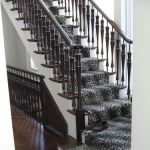 BGA Carpet & flooring4.0 (41 reviews)
 Osborne Flooring4.0 (34 reviews)
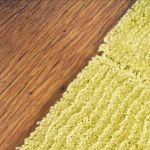 Carpet or Hardwood? How to Choose the Right Flooring for Your Home
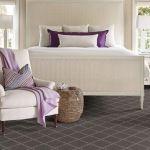 How Different Carpet Fibers Affect Durability and Style: A Guide to Choosing the Right Carpet
 How to Care for Your Carpet in Winter | CarpetHub
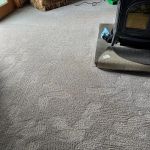 The Top Carpet Choices for Allergy‑Free Living
 How to Keep Carpet Clean in a House with Kids
 What Carpet Pile Is Best for High Traffic Rooms?