
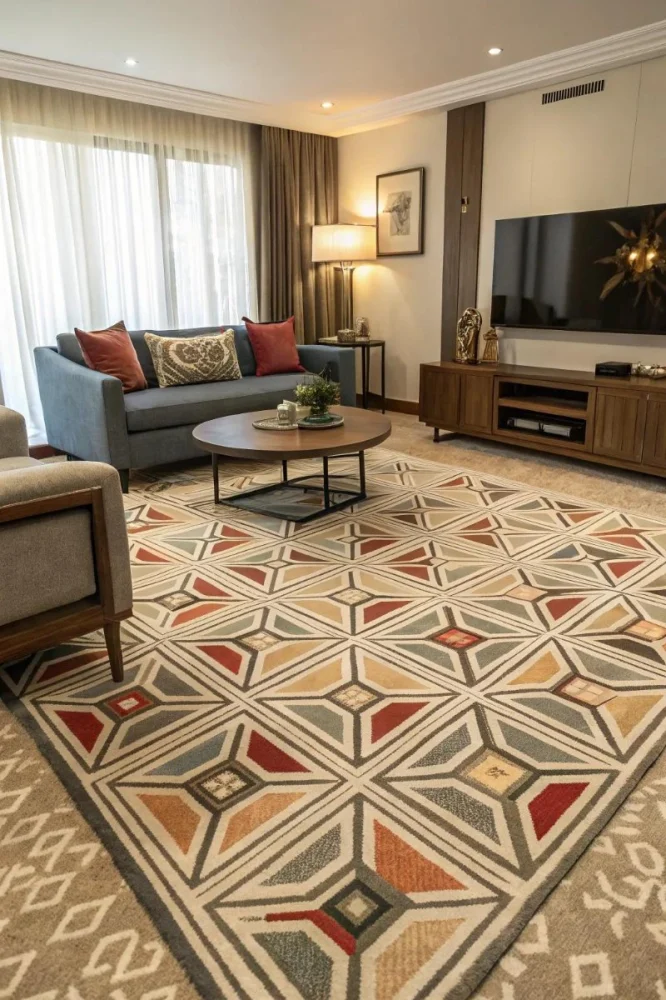
Carpet Design Ideas for Your Modern Home
1. Understanding Carpet Design in Modern Interior Spaces
Modern interior design is no longer just about furniture and wall color—flooring plays a defining role in shaping how a space feels. Among all flooring options, carpets remain one of the most powerful tools for creating warmth, structure, and personality.
When exploring carpet design ideas, it becomes clear that carpets are not just functional surfaces but visual anchors that define entire rooms. A well-chosen carpet can make a minimalist space feel cozy or turn a plain room into a sophisticated design statement.
In contemporary homes, carpets are often used to balance hard materials like glass, metal, and polished wood. This contrast is what gives modern interiors their layered, lived-in feel rather than a cold or sterile appearance.
2. Key Carpet Styles That Define Contemporary Homes
Modern homes today embrace a wide range of carpet styles, each contributing a different visual identity. The most popular direction includes minimalist textures, abstract patterns, and neutral-toned area rugs.
One emerging trend is the use of low-pile carpets with subtle tonal variations. These designs work especially well in open-plan living spaces where continuity and flow matter more than bold statements.
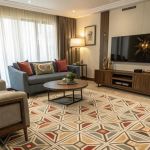
On the other hand, bold geometric patterns are being used strategically in accent areas such as reading corners or dining zones. These modern home carpet styles help define functional spaces without physical barriers.
Designers often recommend choosing a carpet style that complements architecture rather than competing with it. For example, a clean-lined Scandinavian home pairs better with soft, muted textures than heavy ornamental patterns.
3. How Patterns and Textures Change Room Atmosphere
Patterns are one of the most powerful tools in carpet design. Even subtle changes in texture can dramatically shift how a room feels.
For instance, striped carpets can make a narrow hallway appear longer, while circular or organic patterns soften angular furniture layouts. This is why contemporary carpet patterns are often chosen not just for aesthetics but for spatial correction.
Texture also plays a psychological role. Soft, plush carpets create a sense of comfort and relaxation, while tightly woven flat designs feel more structured and formal.
A common design mistake is overusing bold patterns in already busy rooms. Interior designers often recommend balancing visual noise by keeping either furniture or flooring as the focal point—not both.
4. Choosing Carpet Designs for Different Rooms in the Home
Each room has its own functional and emotional purpose, which means carpet selection should always be intentional.
In living rooms, larger area rugs with neutral tones help ground seating arrangements and create visual harmony. Bedrooms benefit from softer, thicker textures that enhance comfort underfoot.
Dining rooms often use low-pile carpets that are easy to clean while still adding elegance. Meanwhile, hallways and entryways can handle more durable, pattern-rich designs that hide wear and dirt.
Understanding home flooring design trends means recognizing that no single carpet fits every space. Instead, modern homes thrive on variation that still feels cohesive through color or material consistency.
5. Real Home Transformation Case and Design Impact
A well-documented interior renovation in Austin, Texas, shows how carpet design can completely transform a home’s atmosphere. The homeowners initially had bare hardwood floors throughout an open-plan space, which felt cold and echo-heavy.
After introducing layered carpets—one large neutral base rug in the living area and smaller patterned rugs in seating zones—the entire home felt more structured and inviting.
Guests often commented that the space felt “finished” and more comfortable, even though no structural changes were made. This highlights how powerful luxury carpet interior design choices can be when used correctly.
The key takeaway from this transformation was not just choosing better carpets, but placing them strategically to guide movement and define purpose within the home.
6. How Carpet Colors Influence Mood and Perception
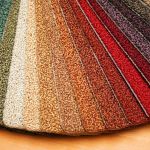
Color psychology plays a major role in carpet selection. Neutral tones like beige, gray, and ivory create calm and flexible environments, making them ideal for modern minimalist homes.
Darker tones such as navy or charcoal add depth and sophistication but can make smaller rooms feel more enclosed if overused.
Warm tones like rust, terracotta, and soft gold bring energy and comfort, often used in social spaces where conversation and activity are encouraged.
A balanced approach often involves mixing neutral base carpets with accent rugs that introduce controlled color variation without overwhelming the space.
7. Building a Timeless Carpet Design Strategy for Modern Living
Trends in interior design change quickly, but carpet decisions are long-term investments. That is why focusing on timeless design principles is more effective than chasing short-lived styles.
A strong strategy involves selecting neutral foundation carpets and layering seasonal or trend-based rugs on top. This allows flexibility without requiring full replacements.
Durability is equally important. High-traffic areas require materials that maintain structure and color over time, ensuring the design remains consistent even with daily use.
For homeowners looking to refine their space with curated inspiration and practical selections, platforms like CarpetHub offer valuable guidance for matching design intent with real-world materials.


 Beers Flooring of Annapolis, Maryland4.0 (24 reviews)
 Bedford Carpet One Floor & Home4.0 (15 reviews)
 Juncal's Flooring Corp5.0 (73 reviews)
 Bay Carpets4.0 (22 reviews)
 At Home4.0 (110 reviews)
 The Home Depot4.0 (2073 reviews)
 Carpet Design Ideas for Your Modern Home: Stylish Interior Inspiration
 How to Choose Carpet That Fits Your Budget and Style
 How to Remove Paint from Carpet Without Ruining It: Proven Methods
 How to Choose a Carpet That Will Match Your Home’s Architectural Style
 How to Choose the Best Carpet for Your Home’s Unique Features
 The Best Carpet Colors for Brightening Up Your Space