
- carpet-padding-benefits - Why padding matters for durability and comfort
- floor-protection-layer - How underlay protects subfloors and structure
- comfort-and-insulation - Thermal and acoustic advantages explained
- installation-mistakes - Common errors that shorten carpet lifespan
- real-home-examples - Practical stories from real households
- choosing-the-right-padding - Thickness, density, and material guide
Why Carpet Padding Becomes the Hidden Foundation of Every Long-Lasting Floor
When people think about carpeting, attention usually goes straight to color, texture, or brand. Yet the real factor that determines whether a floor lasts five years or fifteen is often invisible. Understanding Why Carpet Padding is the Key to Long-Lasting Floors starts with recognizing that the soft layer beneath your carpet is doing far more than just “feeling comfortable underfoot.”
Carpet padding acts as the structural buffer between your carpet and the subfloor. Without it, fibers break down faster, impressions form permanently, and walking traffic creates uneven wear patterns. In many American homes, especially high-traffic households, skipping quality padding leads to premature replacement costs that could have been avoided.
How Carpet Padding Works Beneath the Surface
Pressure Absorption and Fiber Protection
Every step on a carpet creates downward pressure. Without cushioning, that force directly compresses carpet fibers into the hard subfloor. Over time, this leads to matting and visible “traffic lanes.” High-quality padding distributes weight more evenly, allowing fibers to spring back instead of collapsing permanently.
Structural Separation Between Carpet and Floor
Another overlooked benefit is separation. The padding creates a buffer zone that prevents friction between carpet backing and subfloor. This reduces abrasion damage, especially in hallways and living rooms where movement is constant.
Moisture and Temperature Regulation
Good padding also helps regulate micro-climates within the flooring system. It limits cold transfer from concrete and reduces minor moisture absorption, helping carpets remain stable in different seasonal conditions.
Why Carpet Padding Is the Key to Long-Lasting Floors in Real Homes
Suburban Family Case: High Traffic Living Room
A family in Ohio installed premium carpet in their living room but chose a low-cost thin pad to save money. Within two years, visible footpaths appeared between the sofa and TV area. After replacing only the padding—not the carpet—the surface regained its bounce and the existing carpet lasted an additional seven years. This real-world scenario shows how the wrong underlayer can silently destroy even expensive flooring.
Urban Apartment Example: Noise Reduction Impact
In a Chicago apartment building, tenants reported complaints about noise transmission. After upgrading to denser carpet padding, impact noise decreased significantly. This improvement not only increased comfort but also improved neighbor relationships, showing that padding affects more than durability—it affects living quality.
Pet-Friendly Household Experience
Homes with pets often face additional carpet stress. A dog owner in Texas noticed claw friction and repeated running paths causing uneven wear. After switching to a shock-absorbing padding layer, the carpet maintained its structure longer, even with daily activity from two large dogs.
Material Types and How They Influence Performance
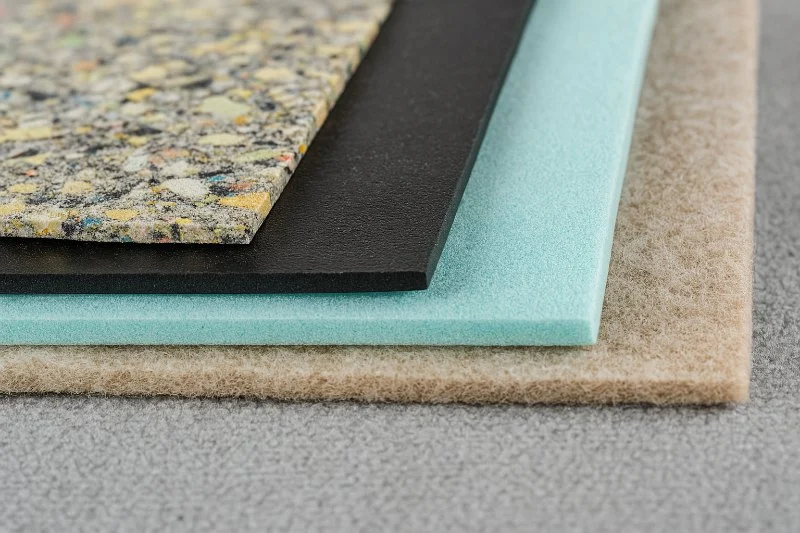
Foam Padding for Everyday Residential Use
Foam padding is widely used in standard homes because of its affordability and softness. It works well in bedrooms and low-traffic areas but may compress faster under heavy furniture or frequent movement.
Rubber Padding for Maximum Durability
Rubber underlay is denser and provides superior support. It is often recommended for hallways, stairs, and commercial environments. Its resilience helps carpets retain shape longer even under heavy foot traffic.
Fiber and Felt Padding for Eco-Friendly Stability
Fiber-based padding offers a balance between sustainability and performance. It provides solid support while also allowing airflow, which helps reduce moisture buildup under the carpet.
Installation Mistakes That Shorten Carpet Lifespan
Choosing Padding That Is Too Thin
One of the most common errors is selecting padding that lacks sufficient density. While the carpet may look fine initially, it quickly loses support, leading to early wear patterns.
Mismatching Carpet and Padding Types
Not all carpets pair well with all padding types. A heavy plush carpet requires firmer support, while lighter styles benefit from softer cushioning. Ignoring this balance leads to uneven aging.
Skipping Professional Installation Advice
Many homeowners rely on visual appeal alone when selecting flooring materials. Consulting professionals helps ensure the underlayer matches both lifestyle and carpet design requirements.
Comfort, Health, and Energy Efficiency Benefits
Improved Indoor Comfort
A well-padded carpet feels noticeably softer, reducing fatigue when standing for long periods. This is especially beneficial in homes with children or elderly residents.
Noise Reduction Across Multiple Floors
Padding significantly absorbs sound waves, making it essential for multi-level homes or shared living environments.
Energy Efficiency Advantages
By adding insulation beneath carpets, padding helps regulate indoor temperature. This can reduce heating and cooling demands, contributing to lower energy consumption over time.
How to Choose the Right Carpet Padding for Your Home
Understanding Density vs Thickness
A common misconception is that thicker padding always means better quality. In reality, density matters more. High-density padding provides better support and longevity than overly thick but soft alternatives.
Matching Lifestyle Needs
Families with pets, children, or frequent guests should prioritize durability. On the other hand, guest rooms or low-traffic areas can focus more on comfort.
Considering Long-Term Value
Investing slightly more in quality padding often extends carpet life by several years. Over time, this reduces replacement costs and maintenance effort.
For homeowners comparing options and installation guidance, CarpetHub offers insights into selecting flooring combinations that balance durability, comfort, and cost efficiency for different home environments.
Why Professional Insight Matters More Than Ever
Flooring decisions are often long-term investments, yet many people underestimate the role of unseen components. Carpet padding is not just an accessory—it is a performance layer that determines how well your flooring system holds up over time.
In real-world installations across residential neighborhoods, professionals consistently observe the same pattern: homes with high-quality padding experience fewer repairs, better comfort, and significantly longer carpet lifespans.
Understanding Why Carpet Padding is the Key to Long-Lasting Floors ultimately changes how homeowners approach flooring decisions. Instead of focusing only on surface appearance, the smartest choice begins beneath it.

 Sybelle Carpet5.0 (13 reviews)
 Mill Direct Flooring4.0 (38 reviews)
 Raymour & Flanigan Furniture and Mattress Showroom & Outlet4.0 (3762 reviews)
 Michaels4.0 (541 reviews)
 BGA Carpet & flooring4.0 (41 reviews)
 Osborne Flooring4.0 (34 reviews)
 Carpet or Hardwood? How to Choose the Right Flooring for Your Home
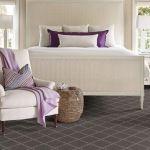 How Different Carpet Fibers Affect Durability and Style: A Guide to Choosing the Right Carpet
 How to Care for Your Carpet in Winter | CarpetHub
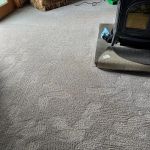 The Top Carpet Choices for Allergy‑Free Living
 How to Keep Carpet Clean in a House with Kids
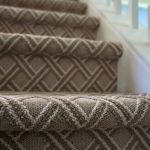 What Carpet Pile Is Best for High Traffic Rooms?