

Carpet Dye Lot Check: Confirm Color Before Installation
Table of contents
- What a carpet dye lot is
- Why a sample may differ from the order
- Questions to ask before ordering
- How to check carpet at delivery
- Separate dye variation from lighting and pile effects
- Plan projects that require multiple rolls
- What to do if the color looks wrong
- Keep labels, records, and useful leftovers
- Final color-verification checklist
A carpet dye lot check is a practical pause between selecting a color and allowing installation to begin. Carpet made in separate production runs can show small shade differences, even when the style and color name are identical. Samples can also age, fade, or look different under showroom lighting. That does not mean every variation is a defect, but it does mean buyers should verify product labels and view the delivered material under appropriate conditions before it is cut.
Color approval is easiest while the carpet remains identifiable and uninstalled. Once material has been cut, seamed, or permanently installed, return and remedy options may change. Ask the retailer to explain its inspection and claim process in writing. The manufacturer’s warranty and the sales contract control the actual terms, so keep those documents with your receipt rather than relying on a general rule.

What a carpet dye lot is
A dye lot, production lot, or run number identifies material made under a particular manufacturing batch or sequence. The exact label terminology varies by manufacturer and fiber or dyeing method. Within accepted production tolerances, two lots sold under the same color name may not be visually identical. The difference may be subtle when rolls are separated but obvious if pieces meet at a doorway or seam.
Matching lot information is especially important when one continuous project uses more than one roll. It may also matter when carpet is installed in adjoining rooms where the same color is visible at the threshold. Lot matching cannot guarantee that every inch looks identical: pile direction, texture, light, and installation can change appearance. Still, confirming the production identifiers removes one avoidable source of mismatch.

Why a sample may differ from the order
A small retail sample represents a product, not necessarily the exact production lot you will receive. It may have been displayed for months and exposed to sunlight, cleaning, handling, or airborne soil. The surrounding showroom colors and strong commercial lighting can also alter perception. At home, wall paint, window direction, lamp color temperature, and furniture reflect different tones into the carpet.
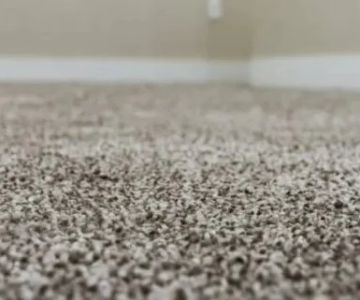
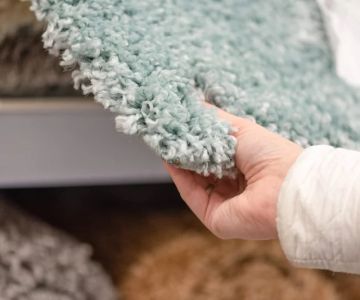
Texture further complicates color judgment. Cut pile can appear lighter when fibers lean toward the viewer and darker when they lean away. Vacuum marks and footprints may create temporary light-and-dark bands. Multi-level loops and heathered yarns can look quite different from a few feet away than they do at close range. For these reasons, evaluate a large sample on the floor in morning, afternoon, and evening light before making the selection.
Questions to ask before ordering
Confirm the manufacturer, collection, style number, color name, color number, fiber, construction, and backing on the written order. Names alone are not reliable because similar names may be used across collections. Ask whether all material for your project is available from one production lot and whether that commitment will appear on the order. If the retailer cannot guarantee one lot, discuss where a lot change could be placed and how approval will work.
Ask whether the seller can provide a current cutting or a larger sample from available stock. A current cutting may be closer to the product you receive, but verify what it represents; it is not useful to assume it came from the reserved roll. Request the policy for reasonable shade variation, cancellations, special orders, and claims. Also learn when title to the material passes to you and who is responsible for inspecting it before installation.
If you are adding carpet beside an older installation, expect matching to be difficult. Existing carpet may have changed through wear, sunlight, cleaning, and soil. Even material from the original lot may no longer look the same after years in storage. Consider a deliberate transition or a coordinating color instead of assuming an invisible patch or extension is possible.
How to check carpet at delivery
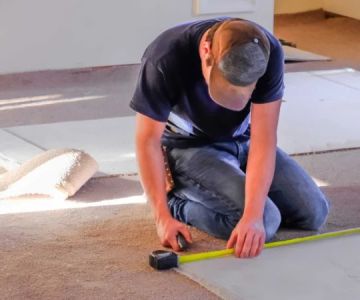
Before cutting begins, compare every roll label with your sales order. Check the manufacturer, style, color, lot or run identifier, roll number, and dimensions. Photograph the labels clearly and keep the images with the project records. Do not remove labels until the installation is complete and accepted. If a label is missing or unreadable, ask the retailer to verify the roll in writing.
Inspect the material in a well-lit area without creating a handling hazard. A professional may be needed to safely unroll enough carpet for evaluation because rolls are heavy and can shift. Never stand in the path of an unsecured roll or attempt to move one alone. Look for unexpected shade changes, streaks, stains, backing damage, crushing, or shipping damage. Ask the installer what can recover after acclimation and what requires a claim before proceeding.
Compare the delivered carpet with the approved sample, but allow for the limitations of a small reference. Place the sample directly on the carpet with the pile running in the same direction. View it from several angles and distances. If the difference concerns you, stop before cutting and contact the retailer. A photo can document a concern, although camera processing and screens are not dependable tools for final color approval.
Separate dye variation from lighting and pile effects
Move your viewpoint before deciding that two areas are different colors. If the light and dark areas reverse when viewed from the opposite direction, pile orientation may be the cause. Strong daylight across a seam can emphasize texture and make adjacent pieces appear different. Confirm that all pieces are laid with the intended pile direction before judging a match.
Temporary roll crush may create bands or flattened areas after shipping. Follow the manufacturer’s guidance for acclimation and recovery rather than applying heat, moisture, or aggressive brushing on your own. Some visual conditions improve after installation and routine vacuuming; others do not. The installer and retailer should identify the condition and document the recommended next step.
Evaluate color under the lighting you actually use. Daylight changes throughout the day, and warm lamps can make beige or gray carpet appear more yellow, while cool lamps can emphasize blue tones. A lighting effect is not corrected by exchanging the carpet for the same color. Test your bulbs and nearby paint samples before concluding that the product itself is wrong.
Plan projects that require multiple rolls
Large projects may require several rolls even when one lot is specified. Ask for a cut plan showing which roll serves each room and where pieces meet. Avoid mixing production lots within one uninterrupted visual field when possible. If different lots must be used, a doorway, closed door, stair change, or other natural break may make the transition less noticeable, but approve the plan before cutting.
Check that pile direction remains consistent across connected areas. Two pieces from the same lot can look mismatched when installed in opposite directions. Patterned carpet also requires attention to pattern repeat, bow, skew, and alignment. Lot numbers solve only the production-batch question; they do not replace skilled layout and installation.
What to do if the color looks wrong
Pause the job and avoid authorizing cuts while the concern is unresolved. Write down what you observe, where it appears, the lighting conditions, and the label details. Take overview and close-up photographs for the record, understanding that they may not reproduce the color exactly. Contact the retailer named on your contract and ask for an inspection or written direction.
Do not attempt to recolor, clean, steam, or chemically treat new carpet unless the manufacturer or responsible retailer provides approved instructions. An improvised treatment could alter the carpet or affect a claim. Keep packaging and labels, and do not discard disputed material. If installation has already begun, stop at a safe stage and document which pieces were cut and where they were intended to go.
Review the warranty for exclusions, tolerances, required maintenance, and claim deadlines. A manufacturer representative may need to inspect the product. Focus communication on verifiable identifiers and visible conditions rather than trying to diagnose the manufacturing cause yourself. Written records make it easier for all parties to trace the shipment and propose a remedy.
Keep labels, records, and useful leftovers
Save the final invoice, product specification, warranty, care guide, roll-label photos, approved sample information, and installation diagram. Record the installation date and installer. If a claim arises later, these details help identify the carpet and its production history. Digital copies are useful, but keep original labels if the retailer recommends it.
Ask for a clean leftover piece large enough to show the original color and construction or support a future small repair. Label it with the room, style, color, lot, and date. Store it indoors in a dry, conditioned location, away from sunlight and chemicals. Do not assume the remnant will remain a perfect match forever; both installed and stored material can change over time.
Final color-verification checklist
Before installation, match the written order to every roll label, confirm the lot plan, photograph identifiers, inspect for damage, compare the pile in the same direction, and view the material under relevant lighting. Make sure any multiple-roll layout and any planned lot transition are documented. If something appears wrong, pause before cutting and follow the retailer’s written inspection process.
A thoughtful dye lot check takes less time than resolving a visible mismatch after the rooms are finished. It cannot remove normal texture and lighting effects, but it gives you a clear moment to verify that the delivered carpet is the product you ordered and that the installer has a consistent plan for placing it throughout your home.



 Floor & Decor5.0 (387 reviews)
 Michaels4.0 (751 reviews)
 EORC Eastern Rugs5.0 (9 reviews)
 arearugexpert.com0.0 (0 reviews)
 New York Expo Carpet & Flooring4.0 (6 reviews)
 MJL Flooring0.0 (0 reviews)
 Is Carpet Still a Good Investment for Your Home? | CarpetHub
 How to Choose the Best Carpet for Your Entryway: Expert Tips for Homeowners
 How to Find Carpet Deals Near You and Save More
 What You Need to Know About Eco-Friendly Carpet Materials
 Trend Forecast: Carpet Styles That Will Dominate Next Year
 How to Identify High-Quality Carpet Brands Worth Your Investment