
Understanding Carpet in High Humidity Areas
Choosing flooring for a home in a humid climate requires more consideration than simply selecting a color or texture that matches your interior design. For homeowners living in areas with high moisture levels, such as Florida, Louisiana, Texas Gulf Coast regions, or other warm and humid locations across the United States, understanding how flooring materials react to moisture is essential.
The question of whether carpet works well in high humidity areas has no simple yes or no answer. Modern carpet technology has improved significantly, offering homeowners more durable, moisture-resistant options than traditional carpets from previous decades. However, carpet still requires proper selection, installation, and maintenance to perform well in environments where humidity levels remain consistently high.
The pros and cons of carpet in high humidity areas depend on several factors, including carpet fiber type, room location, ventilation, indoor humidity control, and cleaning habits. A carefully selected carpet can create a comfortable and inviting home, while the wrong choice may lead to problems such as odors, moisture retention, and premature wear.
Many homeowners searching for the best flooring solution discover that carpet remains appealing because of its warmth, softness, and ability to transform a room. The key is understanding how to balance comfort with moisture management.

Why Humidity Affects Carpet Performance
1. Moisture Absorption and Carpet Fibers
Humidity refers to the amount of moisture present in the air. When indoor humidity levels remain high, materials inside a home can absorb some of that moisture. Carpet fibers, backing materials, and padding may react differently depending on their construction.
Natural fibers, such as wool, can absorb moisture more easily than many synthetic alternatives. While wool carpet is valued for luxury, softness, and durability, it requires careful consideration in consistently humid environments. Synthetic fibers such as nylon, polyester, and polypropylene generally offer better resistance to moisture-related issues.
For homeowners considering carpet in high humidity areas, fiber selection is one of the most important decisions. A carpet designed for moisture challenges can provide comfort without creating unnecessary maintenance problems.
General Floor
LancasterLancaster CountyPennsylvania
499 Running Pump Rd #104, Lancaster, PA 17601, USA
2. Indoor Air Quality and Humidity Control
High humidity does not automatically mean carpet will fail. In many homes, the bigger issue is poor ventilation combined with excessive moisture. When humidity levels are controlled through air conditioning, dehumidifiers, and proper airflow, carpet can perform successfully even in warmer climates.
For example, many coastal homeowners use carpet in bedrooms and living rooms because these spaces benefit from added comfort. However, they also maintain indoor humidity levels to protect furniture, flooring, and overall air quality.
3. Installation Quality Matters
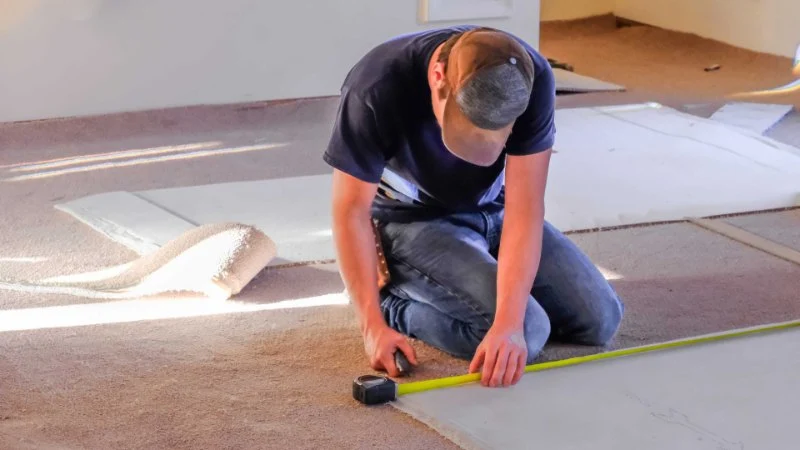
Even the highest-quality carpet can struggle if installed incorrectly. Professional installation helps ensure proper padding selection, secure seams, and adequate preparation of the subfloor.
Homeowners exploring carpet options through CarpetHub can compare different carpet materials and styles designed for various home environments, helping them make a more informed flooring decision.
Advantages of Carpet in Humid Climates
1. Carpet Creates a Comfortable Indoor Environment
One of the biggest benefits of carpet is comfort. In humid regions where tile, stone, or hardwood floors can feel cold or uncomfortable underfoot because of air conditioning, carpet provides a warmer and softer surface.
Bedrooms are one of the most popular areas for carpet installation in humid homes. Many homeowners prefer stepping onto a soft carpet surface in the morning instead of a hard floor. This simple comfort improvement can make a bedroom feel more relaxing and welcoming.
A family living near the Gulf Coast, for example, may choose carpet for upstairs bedrooms while using tile in moisture-prone areas such as bathrooms and entryways. This combination allows them to enjoy carpet’s comfort where it provides the most value.
2. Carpet Helps Reduce Noise
Humidity does not change one of carpet’s most appreciated qualities: sound absorption. Carpet naturally reduces noise by absorbing footsteps, conversations, and everyday household sounds.
This benefit is especially useful in multi-level homes, apartments, and houses with children or pets. In humid climates where homes often use air conditioning systems continuously, carpet can also create a quieter and more comfortable indoor atmosphere.
3. Modern Carpets Offer Improved Moisture Resistance
Traditional carpet concerns often come from older materials that were more difficult to clean and maintain. Today’s manufacturers offer carpets with improved stain resistance, durable synthetic fibers, and advanced backing systems.
Some modern carpets are specifically designed for busy households where spills, humidity, and heavy foot traffic are common. These improvements make carpet a realistic option for many homeowners who previously avoided it.
4. Carpet Adds Design Flexibility
Carpet provides endless options for creating different interior styles. Homeowners can choose from various colors, patterns, textures, and pile heights to match modern, traditional, coastal, or minimalist designs.
In humid areas where homes often feature bright colors and open layouts, carpet can add warmth and visual balance. A carefully selected carpet can make a large room feel more comfortable without overwhelming the design.
Challenges of Carpet in Moisture-Rich Environments
1. Risk of Mold and Mildew Growth
The most common concern about carpet in high humidity areas is the possibility of mold and mildew. Carpet itself does not create mold, but trapped moisture can create conditions where mold growth becomes more likely.
If water leaks, flooding, or excessive humidity affects carpet and the area is not dried properly, moisture may remain inside carpet padding and underneath the flooring surface.
This is why carpet is usually not recommended for bathrooms, laundry rooms, or areas with frequent water exposure. These spaces typically require flooring materials specifically designed for wet conditions.
2. Carpet Requires More Maintenance
Compared with hard flooring, carpet generally requires more regular care in humid environments. Dust, allergens, and moisture particles can become trapped between fibers if the carpet is not cleaned properly.
Regular vacuuming, professional cleaning, and humidity control help extend carpet life. Homeowners should also address spills quickly rather than allowing liquids to soak into the padding.
3. Odor Concerns
One issue some homeowners experience with carpet in humid climates is unwanted odor. When carpet remains damp for extended periods, it may develop a musty smell.
Proper ventilation, quick drying after cleaning, and choosing moisture-resistant carpet materials can greatly reduce this risk.
Best Carpet Types for High Humidity Areas
1. Nylon Carpet
Nylon is one of the most popular carpet fibers in American homes because of its durability and resilience. It handles heavy foot traffic well and often performs better in demanding environments.
For families looking for long-lasting carpet in humid climates, nylon can be an excellent option because it maintains its appearance and structure over time.
2. Polyester Carpet
Polyester carpet is known for its softness, affordability, and resistance to many stains. It is a popular choice for bedrooms, guest rooms, and lower-traffic areas.
While polyester may not always match nylon’s durability in high-traffic spaces, modern polyester options can provide attractive performance for many households.
3. Polypropylene Carpet
Polypropylene, also called olefin, is naturally resistant to moisture and stains. It is often used in areas where moisture resistance is important.
This fiber can be a practical choice for certain humid environments, especially when homeowners prioritize easy maintenance.
4. Low-Pile Carpet Designs
Low-pile carpets are often easier to maintain in humid areas because they dry faster and collect less debris compared with thick, high-pile styles.
Although plush carpets feel luxurious, homeowners in humid climates may prefer shorter fibers that provide easier cleaning and better airflow.
Maintenance Tips for Carpet in High Humidity Areas
1. Keep Indoor Humidity Levels Balanced
Maintaining reasonable indoor humidity is one of the best ways to protect carpet. Air conditioning systems and dehumidifiers can help reduce excess moisture.
A comfortable indoor environment benefits not only carpet but also furniture, walls, electronics, and overall home health.
2. Vacuum Regularly
Regular vacuuming prevents dirt and particles from settling deep into carpet fibers. In humid climates, this is especially important because moisture can make trapped debris harder to remove.
3. Clean Spills Immediately
Fast action after spills can prevent long-term problems. Blotting liquids instead of rubbing them helps protect carpet fibers and prevents moisture from spreading deeper.
4. Schedule Professional Cleaning
Professional carpet cleaning removes buildup that regular vacuuming cannot handle. For humid homes, periodic deep cleaning can help maintain freshness and extend carpet lifespan.
Room-by-Room Carpet Selection Guide
Bedrooms
Bedrooms are often the ideal location for carpet in humid climates. These spaces usually experience less moisture exposure while benefiting greatly from softness and warmth.
A comfortable bedroom carpet can improve the overall feeling of relaxation, especially in homes where hard flooring dominates common areas.
Living Rooms
Living rooms can also benefit from carpet, especially when families want a cozy gathering space. Durable fibers and stain-resistant treatments are recommended for areas with frequent activity.
Basements
Basements require extra caution because they often have higher moisture risks. Before installing carpet, homeowners should ensure proper waterproofing, ventilation, and moisture control.
Professional Advice Before Choosing Carpet
Selecting carpet for a humid home requires more than choosing the most attractive design. Homeowners should consider climate conditions, room purpose, lifestyle needs, and maintenance expectations.
The pros and cons of carpet in high humidity areas show that carpet can be an excellent flooring choice when the right materials and installation methods are used. Problems usually occur when moisture management is ignored or unsuitable carpet is installed in vulnerable areas.
Before making a purchase, homeowners can explore different carpet options through CarpetHub to compare styles, materials, and features designed for modern living spaces.
Ultimately, carpet remains a popular flooring choice across the United States because it combines comfort, design flexibility, and warmth. In humid areas, success depends on choosing wisely, maintaining properly, and understanding where carpet performs best.


 Kanter’s Carpet & Home4.0 (377 reviews)
 Bel Air Carpet4.0 (34 reviews)
 Ollie's Bargain Outlet4.0 (719 reviews)
 BTM Flooring, Inc. Design Center and Area Rug Gallery4.0 (43 reviews)
 King Floor Supplies 24.0 (35 reviews)
 Home Outlet4.0 (108 reviews)
 How to Install Carpet Yourself: A Complete Guide for Beginners | CarpetHub
 How to Layer Carpets and Rugs for a Cozy, Boho-Chic Look
 Carpet Ideas for Creating Cozy Reading Nooks That Feel Warm and Inviting
 Can Carpets Improve Your Home’s Indoor Air Quality? | CarpetHub
 The Future of Carpet Technology: What’s Next in Flooring?
 Carpet and Allergy Solutions for Homeowners: Cleaner Indoor Air Guide