
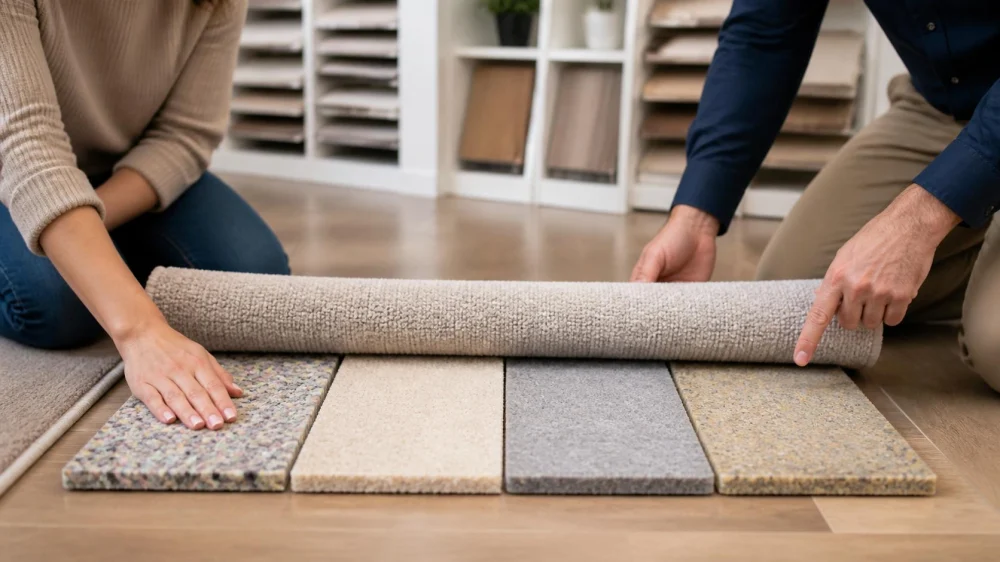
Carpet Pad Guide: Density, Thickness, and Room Fit
On this page
Quick answer
Choose carpet pad only after selecting the exact carpet. Match the carpet manufacturer's approved pad type, density, and maximum thickness, then adjust for room traffic, stairs, furniture, moisture risk, radiant heat, accessibility, and warranty. Thicker is not automatically better: excessive softness can flex carpet backing, destabilize seams, make rolling difficult, and affect doors or transitions.
This guide helps US homeowners compare residential carpet cushion. Product specifications and the carpet warranty control the final choice.

Lowe's Home Improvement
ManchesterCapitol Planning RegionConnecticut
31 Buckland Hills Dr, Manchester, CT 06042, USA
What carpet pad does
Carpet pad, also called cushion or underlay, sits between carpet and subfloor. It absorbs foot impact, supports the carpet backing, changes underfoot feel, and can influence sound and thermal performance.
Pad cannot fix a weak subfloor, moisture source, uneven surface, loose stair tread, or incorrect carpet installation. Those conditions need correction before the cushion is covered.

Read density and thickness
Thickness is the cushion depth. A thick pad feels soft but permits more movement. Low-pile, loop, commercial-style, and stair carpets may require a thinner, firmer cushion.
Density describes how much material is packed into a given volume for some foam products. Higher density commonly resists compression better than a low-density product of the same family, but comparison methods vary by material.
Also ask about indentation force, compression recovery, weight, recycled content, odor, vapor permeability, thermal resistance, sound rating, and treatment claims where relevant. Do not compare a single density number across unrelated pad types as though it describes the whole product.
Compare common pad types
Bonded foam, often called rebond, uses pieces of foam bonded together. It is widely available in multiple densities and thicknesses. Check consistency, odor, warranty compatibility, and performance grade.
Prime polyurethane foam can feel soft and light. Lower-density versions may compress sooner in busy rooms, while engineered grades differ. Read the actual performance specification.
Memory foam emphasizes a slow, plush response. It may feel too yielding for wheelchairs, walkers, rolling furniture, seams, or users who prefer stable footing.
Rubber cushion can provide a dense, resilient feel and is available in waffle or flat forms. Cost, weight, odor, floor compatibility, and installation method should be confirmed.
Fiber pad uses natural or synthetic fibers and tends to feel firm. It can suit certain loop or woven carpets when approved. Moisture exposure and material-specific care matter.
Match pad to the room
- Bedroom: comfort can carry more weight, but door clearance and mobility still matter.
- Hall and family room: favor support and recovery under concentrated traffic.
- Stairs: use only the carpet and cushion combination approved for stairs, with firm support over nosings.
- Home office: consider rolling chair stability and equipment weight; a chair mat may also have requirements.
- Basement: solve moisture and slab conditions first and confirm the complete floor assembly.
- Radiant heat: add the carpet and pad thermal resistance and follow the heating-system and flooring limits.
- Accessible route: evaluate firmness, transition height, walker and wheelchair movement, and trip risk.
Questions before buying
- What pad specifications does the carpet manufacturer require or prohibit?
- Is this exact pad approved for the room, carpet construction, stairs, and installation method?
- What density, thickness, weight, and performance test applies?
- How will seams, doors, baseboards, vents, and hard-floor transitions be affected?
- Does the subfloor or slab require a moisture assessment?
- What are the pad warranty, exclusions, and documentation requirements?
- Can you provide a labeled sample to test with the selected carpet at home?
- What happens to the old pad, and how is new pad waste calculated?
Limits and installation notes
Do not stack new pad over old cushion unless the carpet manufacturer and designed system explicitly allow it. Old pad can hide stains, contamination, moisture, pests, loose fasteners, and subfloor damage.
Pad seams should be placed and secured according to the installation standard and should not create ridges. Ask the installer to document the product label and layout before carpet covers it. Keep scraps with identifying information for future warranty questions.
Waterproof or antimicrobial marketing does not make a floor immune to leaks, mold, or odor. Address the source of moisture and follow material instructions.
FAQ
Is the thickest carpet pad the most comfortable?
Not always. Excess thickness can feel unstable and damage or invalidate some carpet systems. Support and compatibility matter more.
Can I reuse old pad?
Only after the carpet manufacturer and installer confirm condition and compatibility. Replacement is often appropriate when it is compressed, stained, odorous, damaged, or unknown.
Does better pad make inexpensive carpet last forever?
No. Pad supports carpet but cannot change fiber, construction, backing, installation, traffic, or maintenance quality.
Will pad block sound?
It can reduce some impact sound, but performance depends on the entire floor-ceiling assembly and tested ratings.
Should pad go under a stair runner?
Use the runner manufacturer's and installer's approved stair cushion and method. Thickness and nosing support are critical.
Next steps
Choose the carpet first, obtain its cushion limits in writing, and test labeled samples under the actual carpet. Compare room traffic, mobility, heat, moisture, doors, and transitions before approving the pad and keeping its product record.
Evidence note: This article reflects broad flooring-material principles. Manufacturer specifications, warranty, subfloor assessment, and professional installation control the project.


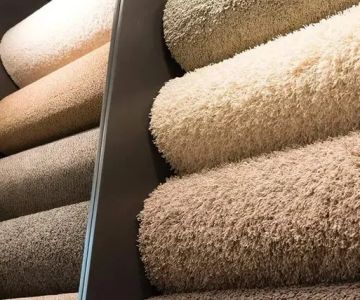
 Super Value Household4.0 (150 reviews)
 Innovative Carpets5.0 (1 reviews)
 Baystate Rug and Flooring3.0 (22 reviews)
 Gentile's Floor Center4.0 (21 reviews)
 Godfrey Family Carpets4.0 (50 reviews)
 Daniels Floor Care5.0 (74 reviews)
 The Benefits of Custom Carpets for Your Home Design
 How to Choose the Right Carpet for Your Kids’ Rooms
 How to Maintain Your Carpet in a Busy Household
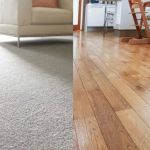 Carpet vs. Hardwood: Which Flooring Option Is Right for You? | CarpetHub
 The Best Carpet Choices for Modern Farmhouse Homes
 Creating a Warm and Inviting Space with Carpets: Expert Tips and Ideas