
- understanding-pet-stain-damage - why pet stains are more complex than they appear
- quick-action-first-response - what to do immediately after accidents happen
- safe-cleaning-methods-for-carpets - how to remove stains without damaging fibers
- odor-removal-strategies - eliminating long-term smell problems effectively
- real-life-cleaning-mistakes - common errors homeowners make with pet stains
- professional-insights-and-prevention - expert advice and long-term carpet care
Why Pet Stains Are More Damaging Than They Look
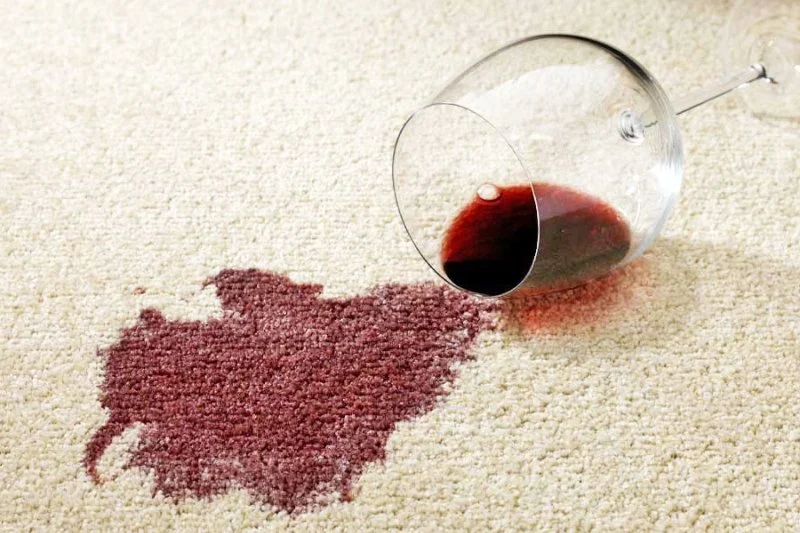
When dealing with pets, accidents on carpets are almost inevitable. What most homeowners don’t realize is that stains from urine or vomit don’t just sit on the surface—they penetrate deep into carpet fibers and even reach the padding underneath. This is why how to get rid of pet stains on carpet quickly becomes a priority for maintaining both cleanliness and indoor air quality.
Pet urine, in particular, contains ammonia and uric acid crystals that can bond with carpet fibers. If left untreated, these compounds harden over time, making them significantly harder to remove and causing persistent odors even after surface cleaning.

First Response Matters: Acting Quickly Can Save Your Carpet
Speed is everything when it comes to pet stains. The longer a stain sits, the deeper it sets. Immediate blotting is always more effective than scrubbing, which can actually push the stain further into the carpet.
A common mistake many homeowners make is using hot water right away. While it might seem like a good idea, heat can actually “cook” protein-based stains, making them permanent.
Step-by-Step Emergency Response
Start by gently blotting the area with a clean, absorbent cloth. Avoid rubbing. Once excess moisture is removed, applying a small amount of cold water helps dilute the stain before deeper cleaning begins.
For households with pets prone to repeated accidents, keeping a basic stain response kit can make a significant difference in long-term carpet preservation.
Safe Cleaning Methods That Protect Carpet Fibers
Not all cleaning solutions are created equal. Harsh chemicals can strip carpet dyes or weaken fibers, leading to permanent damage. That’s why choosing safe, fiber-friendly methods is essential.
One of the most effective modern solutions is enzymatic cleaners. These products break down organic waste at a molecular level, targeting the source of both stain and odor instead of just masking it.
For homeowners looking for reliable cleaning guidance and product recommendations, CarpetHub often provides insights into safe and effective carpet care solutions tailored to different stain types.
Homemade Cleaning Solution Approach
A gentle mixture of white vinegar and water can help neutralize odors while loosening stain particles. However, it should always be tested on a hidden section of carpet first to ensure color safety.
After applying any cleaning solution, always blot dry rather than scrubbing. This preserves carpet texture and prevents fiber distortion.
Dealing With Lingering Odors That Won’t Go Away
One of the most frustrating aspects of pet stains is the lingering smell that seems to return even after cleaning. This happens because odor-causing compounds can remain trapped in the carpet padding.
Enzymatic cleaners are particularly effective here because they continue working after application, breaking down odor molecules over time rather than just covering them up.
In severe cases, repeated treatments or professional deep cleaning may be necessary, especially if the stain has been left untreated for days or weeks.
Real-Life Story: The “Invisible Stain” That Kept Coming Back
A homeowner once shared an experience where a small puppy accident seemed completely cleaned up within minutes. However, days later, a strong odor began appearing in the same spot despite repeated cleaning.
After professional inspection, it was discovered that the stain had soaked into the carpet padding. Surface cleaning had removed visible signs but not the underlying contamination. A targeted enzymatic treatment combined with deep extraction finally resolved the issue.
This example highlights why understanding how to get rid of pet stains on carpet properly is essential for long-term home hygiene.
Common Mistakes That Can Ruin Your Carpet
One of the most damaging mistakes is over-scrubbing. This not only spreads the stain but can also fray carpet fibers, leaving permanent texture damage.
Another frequent error is using bleach or ammonia-based cleaners on colored carpets. While they may seem powerful, they often cause discoloration and worsen the appearance of the stain.
Overusing Water: A Hidden Risk
Excessive water use can push stains deeper into carpet padding, leading to mold growth and long-term odor problems. Controlled application is always more effective.
Professional Techniques for Long-Term Carpet Protection
Professionals often use hot water extraction combined with targeted pre-treatment solutions. This method removes deep-set stains without damaging fibers when done correctly.
Another advanced technique involves UV inspection, which helps identify hidden urine spots that are not visible to the naked eye but still contribute to odor problems.
For homeowners who want to maintain carpets between professional cleanings, understanding these methods can help replicate safer versions at home.
Preventing Future Pet Stains Before They Happen
Prevention is often easier than cleaning. Training pets consistently, maintaining regular bathroom schedules, and using protective carpet treatments can significantly reduce accident frequency.
Carpet protectant sprays create a barrier that makes it harder for liquids to penetrate fibers, giving homeowners more time to clean spills before they set in.
Routine vacuuming and spot-checking high-traffic areas also help identify potential problem zones early.
Building a Long-Term Carpet Care Routine
Maintaining a clean carpet with pets in the home requires consistency. Weekly inspections, immediate spot treatment, and periodic deep cleaning all contribute to extending carpet life.
Households that follow structured cleaning routines often report fewer permanent stains and significantly reduced odor issues over time.
By combining preventive care with proper stain removal techniques, even homes with multiple pets can maintain fresh, clean flooring without constant replacement.

 Design Floors LV4.0 (23 reviews)
 KASTHALL5.0 (2 reviews)
 M.C. Weeks, Inc. Window Fashions & Outdoor Living4.0 (41 reviews)
 TopSteam Carpet, Upholstery, Tile & Grout Cleaning LLC5.0 (338 reviews)
 ProSource of South Jersey4.0 (55 reviews)
 abc carpet & home4.0 (702 reviews)
 Choosing Between Wall-to-Wall and Area Rugs: Which is Right for You?
 The Best Carpet for Creating a Cozy Winter Home
 Best Carpet Materials for Maintaining Comfort and Warmth in Winter | CarpetHub
 How to Keep Your Carpet Looking New for Longer – Expert Care Tips
 Carpet for Homes with Open Concept Spaces: Essential Tips and Ideas
 The Top Carpet Choices for Allergy‑Free Living