
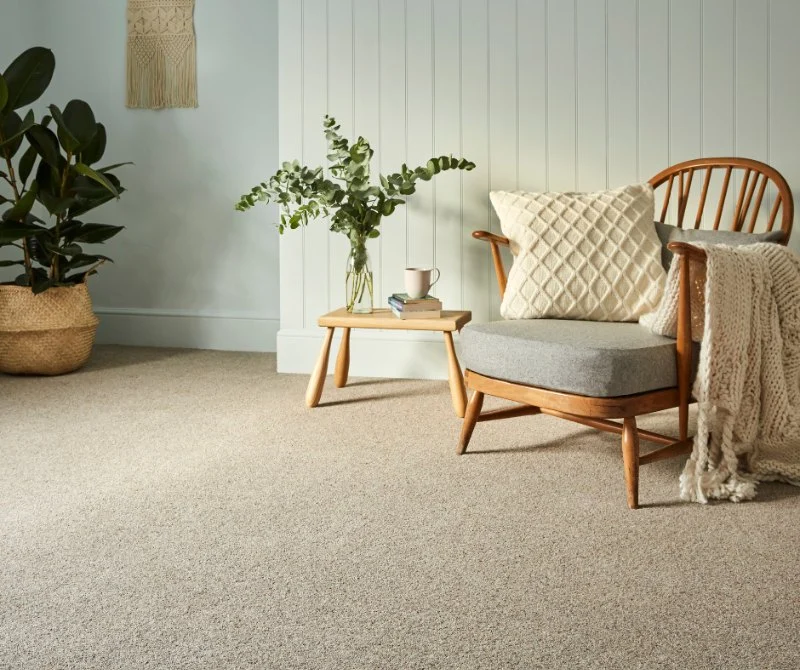
How to Match Your Carpet with Your Furniture
- understanding-your-home-style - assessing your interior style and color palette
- choosing-complementary-colors - matching carpet tones with furniture hues for balance
- considering-texture-and-material - how carpet texture interacts with furniture fabric
- layering-patterns-and-designs - integrating patterns in carpets and furniture without clash
- real-life-examples-and-case-studies - homeowners who successfully matched carpets and furniture
- tips-for-choosing-the-right-products - CarpetHub recommendations for carpet and decor synergy
Understanding Your Home Style
Before selecting a carpet, it’s important to assess the style of your home. Are you aiming for modern minimalism, cozy traditional, or eclectic vibrancy? The style influences both the color palette and the type of carpet you should choose. For example, a sleek modern interior may benefit from neutral, low-pile carpets, while a traditional living room might look better with rich, plush textures.
Consider the existing furniture’s style, shape, and color. Understanding your home’s overall aesthetic creates a foundation for cohesive interior design.

Choosing Complementary Colors
1. Matching Tones
Carpet colors should complement the primary furniture hues. Neutral furniture pairs well with vibrant carpets to add a focal point, whereas colorful furniture often requires neutral carpets to prevent visual overload. For instance, a navy blue sofa pairs beautifully with a warm beige or soft gray carpet.

Lowe's Home Improvement
ManchesterCapitol Planning RegionConnecticut
31 Buckland Hills Dr, Manchester, CT 06042, USA
2. Color Theory in Action
Applying basic color theory can help you create harmony. Complementary colors on the color wheel, such as blue and orange or purple and yellow, can be used strategically. Analogous colors, those next to each other on the color wheel, create a subtle and sophisticated transition between carpet and furniture.
Considering Texture and Material
1. Carpet Texture
Texture plays a crucial role in the overall feel of a room. Plush carpets provide warmth and softness, while flatweave or low-pile carpets offer a sleek and modern look. Matching these textures with furniture fabric creates balance; for example, a velvet sofa pairs well with a soft, high-pile carpet, while leather furniture suits smoother, low-pile carpets.
2. Material Interaction
Natural fiber carpets like wool complement traditional wooden furniture beautifully, adding a sense of luxury. Synthetic fibers, such as nylon or polyester, work well with contemporary or durable furniture, especially in high-traffic areas. Considering fiber types ensures both aesthetic harmony and functional durability.
Layering Patterns and Designs
1. Avoiding Clashes
Mixing patterns can enhance visual interest but requires careful coordination. A patterned carpet paired with patterned furniture may clash if colors and scale are not balanced. To avoid this, choose one dominant pattern and keep the other element more subdued.
2. Creating Depth
Area rugs provide an excellent opportunity to introduce patterns without overwhelming the room. A patterned rug over a neutral carpet can tie furniture colors together while adding depth. Similarly, using textures like a shaggy rug under a sleek sofa creates a layered, inviting look.
Real-Life Examples and Case Studies
Samantha, a homeowner in New York, matched her gray sectional sofa with a soft ivory carpet featuring subtle geometric patterns. She noted, “The carpet’s pattern was understated, so it didn’t compete with the sofa, and the colors brought warmth to the room.”
In another example, the Rodriguez family in Texas paired a navy leather sofa with a deep taupe carpet. Using accent pillows that echoed the carpet’s warm tones created a cohesive design that felt intentional rather than forced.
Tips for Choosing the Right Products
To ensure seamless integration between carpet and furniture, consider these practical tips:
- Test carpet samples with your furniture in natural light before committing.
- Use area rugs to bridge color differences between carpet and furniture.
- Choose carpets with stain-resistant fibers if paired with light-colored furniture.
- Layer textures thoughtfully to create depth and tactile interest.
- Consult CarpetHub for curated recommendations on carpets that pair perfectly with different furniture styles.
Maintaining Harmony Over Time
1. Rotate furniture and rugs periodically to prevent uneven wear2. Update accent colors seasonally to refresh visual appeal3. Maintain carpets with regular cleaning to preserve color and texture4. Reassess carpet and furniture combinations if redecorating5. Keep samples of furniture and carpet fabrics for future reference
By understanding style, color, texture, and pattern, matching your carpet with your furniture becomes an enjoyable and creative process. With careful selection and attention to detail, your home can achieve a harmonious, visually appealing interior that lasts for years. For tailored advice and high-quality carpets that complement any furniture, CarpetHub offers expertly curated options for every home design.


 Domain Flooring Distributors of Rhode Island5.0 (1 reviews)
 Tile Town Carpet One4.0 (66 reviews)
 Carpets By Dilmaghani5.0 (2 reviews)
 ABC Supply Co. Inc.4.0 (50 reviews)
 Osborne Flooring4.0 (34 reviews)
 Westwood Flooring and Design Center4.0 (58 reviews)
 How to Choose Carpet That Fits Your Budget and Style
 Can Carpets Improve Your Home’s Indoor Air Quality? | CarpetHub
 How to Keep Your Carpet Looking New for Longer – Expert Care Tips
 What to Look for in a Carpet Installer for Your Home
 Best Carpet Brands for Budget-Friendly Homes: Affordable Options for Every Home
 Carpet or Hardwood? How to Choose the Right Flooring for Your Home