
Carpet Selection Tips for Homes in Cold Climates
- 1. Understanding the Challenges of Cold Climates
- 2. Types of Carpets Ideal for Cold Climates
- 3. Importance of Insulation in Carpet Selection
- 4. Maintenance Considerations for Cold Climate Carpets
- 5. Additional Tips for Carpet Selection
1. Understanding the Challenges of Cold Climates
When selecting carpets for homes in cold climates, the key challenge is ensuring the flooring offers warmth, comfort, and practicality. During winter, homes can become quite cold, and without the right type of flooring, they may also feel drafty. Choosing the correct carpet is essential to creating a cozy atmosphere while maintaining energy efficiency.
Homes in regions with cold temperatures require carpeting that retains heat, insulates well, and is durable enough to withstand harsher conditions. It's important to consider factors such as insulation, pile thickness, and material durability when making a decision.
2. Types of Carpets Ideal for Cold Climates
When selecting a carpet for colder areas, consider options that offer excellent heat retention and insulation. The most popular types of carpet for cold climates include:
Wool Carpets: Wool is a natural insulator and provides excellent warmth. It’s a durable, eco-friendly option that helps regulate room temperature, making it perfect for cold weather.
Nylon Carpets: Known for its durability, nylon is also resistant to stains and wear, which is important in homes with high foot traffic during the winter months.
Polyester Carpets: Polyester offers a soft and luxurious feel, though it may not provide the same warmth as wool. However, it is still a viable option for cold climates due to its plushness and aesthetic appeal.
3. Importance of Insulation in Carpet Selection
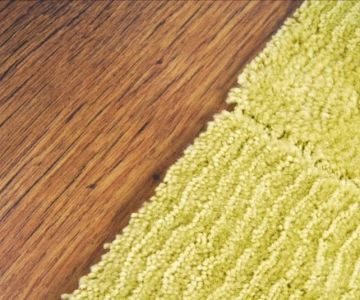
One of the most significant benefits of selecting the right carpet for your home in a cold climate is its insulating properties. Carpets with thicker piles, such as plush or shag, can help insulate a room by trapping air between the fibers, keeping the warmth inside. The denser the pile, the better the insulation.
Additionally, consider using a quality underlay or pad beneath the carpet to enhance insulation. This can reduce heat loss from the floor and create a more comfortable living environment during colder months. Many carpet retailers offer underlays specifically designed to improve thermal performance, so it’s worth asking about these options when you shop for your carpet.
4. Maintenance Considerations for Cold Climate Carpets
Carpets in cold climates can be subjected to snow, ice, and dirt being tracked inside, so regular maintenance is essential to keep them looking fresh and functioning well. Vacuuming frequently is critical to remove dirt, debris, and salt residues that can accumulate during the winter months. Salt stains can be harmful to carpet fibers and can cause long-term damage if left untreated.
In addition to regular vacuuming, you may need to clean your carpets more thoroughly during the colder months. Steam cleaning or professional carpet cleaning can help remove deep-set dirt and bacteria, which is important for maintaining a healthy and hygienic home environment.
5. Additional Tips for Carpet Selection
In addition to choosing the right material, pile, and underlay, there are several other factors to keep in mind when selecting carpets for cold climates:
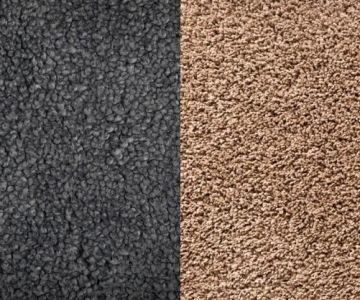
- Color: Darker colors can help to absorb heat, making them a good choice for cold climates. However, be mindful that they may show dirt and salt stains more easily.
- Design: Choose a design that complements your home’s style while also offering practicality. Simple, textured designs tend to hide dirt and stains better.
- Durability: Make sure the carpet you select is durable enough to handle the harsh winter elements, especially if you have a lot of indoor activity during the colder months.




 David Hockstein Inc4.0 (67 reviews)
 Hale's Floor Covering, LLC4.0 (64 reviews)
 Direct Line Carpeting4.0 (2 reviews)
 Jim Flack Carpet Sales Inc4.0 (68 reviews)
 B & D Flooring4.0 (32 reviews)
 Valu Home Centers4.0 (109 reviews)
 Transform Your Basement with Durable Carpet Options | CarpetHub
 The Best Carpet for Hot Climates: Keep Your Home Cool & Comfortable
 Carpeting Your Office: Creating a Professional Yet Cozy Workspace
 How to Handle Carpet Stains and Spills Like a Pro | Expert Cleaning Tips
 Installing Carpet in High-Traffic Areas: Tips for Durability and Comfort
 Carpet Care Hacks That Will Save You Time and Money