
- 1. Why Humidity Affects Carpet Selection
- 2. Moisture-Resistant Carpet Materials to Consider
- 3. Best Carpet Options for Humid and Moisture-Prone Homes
- 4. Installing Carpet in Humid Conditions: What You Need to Know
- 5. Explore the Best Carpet Choices with CarpetHub
1. Why Humidity Affects Carpet Selection
Humidity is one of the biggest challenges when choosing flooring for a home. In areas with high moisture levels, such as basements, bathrooms, or coastal regions, traditional carpets may quickly absorb water and become damaged. This can lead to mold, mildew, and unpleasant odors that are difficult to eliminate.
When selecting carpet for high-humidity environments, it’s crucial to consider materials that are less likely to absorb moisture and can withstand the constant fluctuations in humidity. Carpets that trap moisture can lead to long-term issues, including rotting and degradation, making it important to choose the right materials and installation methods to ensure longevity and durability in these conditions.

2. Moisture-Resistant Carpet Materials to Consider
Not all carpets are created equal when it comes to moisture resistance. Here are some of the best materials to look for when shopping for carpets in humid areas:
- Polypropylene (Olefin): This synthetic material is one of the most moisture-resistant carpet fibers available. Polypropylene doesn’t absorb water, making it an excellent choice for areas prone to moisture. It’s also durable, stain-resistant, and easy to clean, which makes it a great option for households in humid climates.
- Triexta: Triexta is another synthetic carpet fiber that offers resistance to moisture. It’s known for its durability and stain resistance, and it holds up well in high-humidity environments. Triexta carpets are also softer than other synthetic options, making them comfortable for residential use.
- Nylon with moisture-resistant treatment: Nylon carpets are already durable and strong, but those treated with moisture-resistant coatings can stand up to humidity better. While not as inherently moisture-resistant as polypropylene, this type of nylon can still work well in damp environments.
- Wool with moisture-wicking properties: Though wool is naturally more absorbent than synthetic fibers, newer treatments and blends can make wool carpets more suitable for humid conditions. Wool carpets with moisture-wicking treatments can help resist moisture build-up while maintaining the luxurious feel of natural fibers.
3. Best Carpet Options for Humid and Moisture-Prone Homes
For homes with high humidity or frequent exposure to moisture, some carpet options are better suited than others. Here are a few of the top choices:
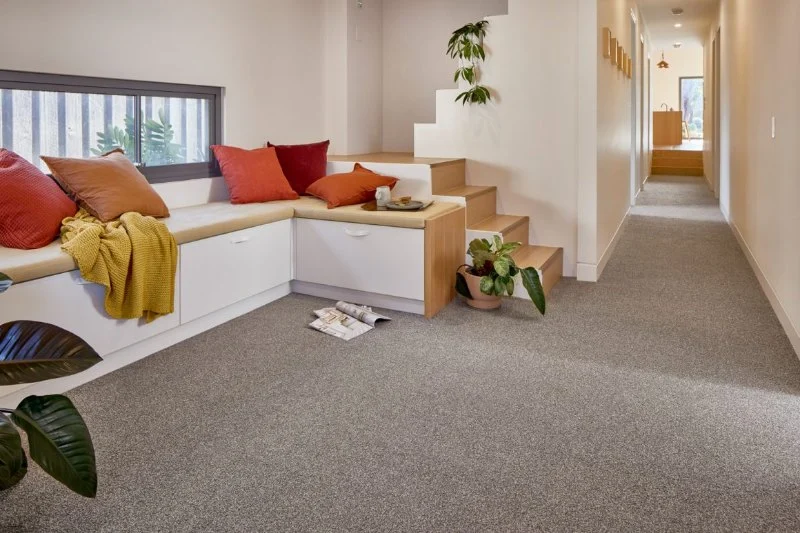
- Berber Carpet: Known for its looped construction, Berber carpet is highly durable and resistant to moisture. The tightly woven loops are less likely to trap moisture compared to cut pile carpets, making it a great option for high-humidity environments. Additionally, Berber carpets are relatively easy to clean and maintain.
- Indoor-Outdoor Carpet: Made from synthetic fibers like polypropylene, indoor-outdoor carpets are designed to withstand moisture. These carpets are often used in areas like patios or basements and are easy to clean. They are typically resistant to mold and mildew, making them ideal for humid conditions.
- Carpet Tiles: Carpet tiles are a versatile and practical solution for homes with moisture concerns. If one tile becomes damaged or starts to absorb moisture, it can be easily replaced without needing to replace the entire carpet. Carpet tiles come in a variety of materials, including moisture-resistant options like polypropylene and nylon.
4. Installing Carpet in Humid Conditions: What You Need to Know
Proper installation is key to ensuring your carpet lasts in humid conditions. Here are some important considerations:
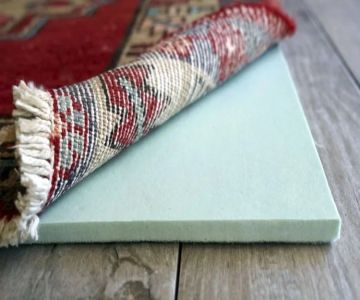
- Use Moisture-Resistant Padding: The carpet padding you choose plays a significant role in its performance in humid conditions. Look for moisture-resistant padding made from materials like rubber or closed-cell foam. These materials won’t absorb moisture, reducing the risk of mold growth beneath your carpet.
- Ensure Proper Ventilation: Good airflow is essential in areas with high humidity. Ensure that your home is well-ventilated, particularly in moisture-prone areas like basements. Consider installing a dehumidifier to help maintain a balanced humidity level and prevent moisture buildup in your carpet.
- Opt for Professional Installation: Carpet installation in high-humidity areas is best left to professionals who can properly seal seams and edges to prevent moisture from seeping underneath. Professional installation also ensures the use of appropriate moisture barriers and padding.
5. Explore the Best Carpet Choices with CarpetHub
If you’re looking for the best carpets for homes with high humidity or moisture, visit CarpetHub. Our platform offers expert recommendations on the most suitable moisture-resistant carpets, including top-rated brands and flooring options. Browse our curated selections to find the right carpet that will perform well in your home’s unique environment.
 EORC Eastern Rugs5.0 (9 reviews)
 Michaels4.0 (1295 reviews)
 Tracy Floors & Tile5.0 (40 reviews)
 Richland Carpet & Flooring4.0 (31 reviews)
 Design Floors LV4.0 (23 reviews)
 General Floor - Kenilworth4.0 (15 reviews)
 How to Choose Carpet for a Rental Property: Best Practices for Landlords
 What to Look for in a Carpet Installer for Your Home
 How to Make Your Carpet Last Longer: Essential Care and Cleaning Tips
 Carpet or Hardwood? Making the Right Choice for Your Home
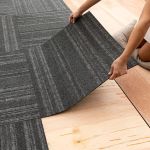 The Pros and Cons of Carpet Tiles: Is This Modular Flooring Right for You?
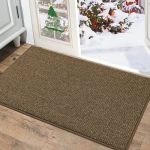 How to Protect Your Carpet from Dirt and Dust in Your Entryway