
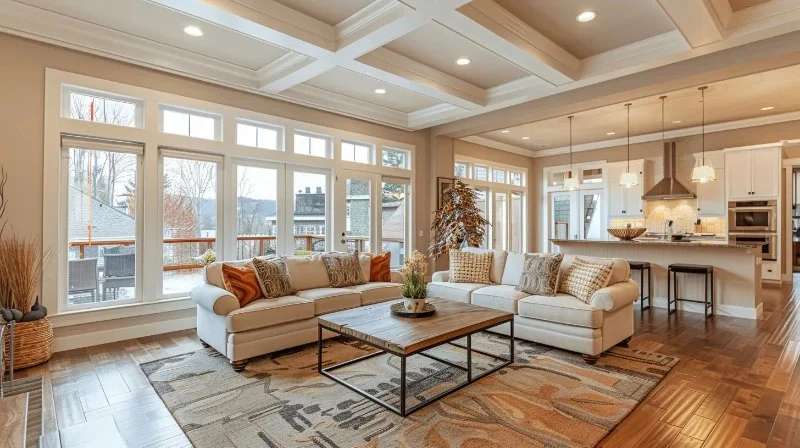
1. Introduction: The Challenge of Defining Zones in Open Floor Plans
Open floor plans have become increasingly popular in modern home design due to their spacious, airy feel. However, one challenge many homeowners face with open layouts is how to define separate zones for various activities—whether it’s for dining, lounging, or working. One simple and stylish solution is using carpets to define these zones. In this article, we’ll explore how carpets and rugs can be a powerful tool for segmenting and enhancing your living space.
2. Why Use Carpets for Zoning in Open Floor Plans?
Carpets not only add comfort and warmth to your home, but they also serve as visual boundaries in large, open spaces. By strategically placing rugs or carpets in different areas, you can create clear divisions without the need for walls or partitions. Whether you have a spacious living room, a combined kitchen and dining area, or a multifunctional room, carpets can help visually separate distinct zones for a cohesive yet functional design.

2.1 Benefits of Using Carpets for Zoning
- Flexible and Portable: Unlike permanent walls, carpets are easy to move and rearrange, giving you the flexibility to change your space as needed.
- Comfort and Warmth: Carpets provide a soft, comfortable surface and help create a cozy atmosphere in open spaces.
- Visual Appeal: Rugs can enhance the aesthetic appeal of your home while adding color, texture, and pattern to the overall design.
3. How to Choose the Right Carpet for Each Zone
When selecting carpets for zoning your open floor plan, it's essential to consider the overall style of your home, as well as the functionality of each area. Here are a few tips to help you choose the right carpet for each zone:
3.1 Consider the Function of the Space
Before choosing a carpet, consider the activities that will take place in the area. For example, a cozy living room may benefit from a soft, plush rug, while a dining area may require a more durable, easy-to-clean carpet. Matching the carpet type to the room's function ensures both practicality and style.
3.2 Match the Carpet to Your Design Theme
Open floor plans often feature a mix of different design elements. Whether you prefer a modern, minimalist look or a more eclectic style, select carpets that complement the room's color scheme, textures, and overall aesthetic. Neutral tones like gray, beige, or white work well for a contemporary look, while bold, patterned rugs can make a statement in a more traditional setting.
3.3 Size and Shape Matter
When using carpets to define zones, it’s crucial to choose the right size and shape. A large area rug can help anchor the space and delineate a clear boundary, while smaller rugs are ideal for highlighting specific areas, such as a reading nook or workspace. Remember, the edges of the carpet should align with the furniture to create a cohesive look.
4. Popular Carpet Styles for Zoning in Open Floor Plans
There are various carpet styles that work well for creating distinct zones in open floor plans. Here are a few popular options:
4.1 Geometric and Abstract Rugs
For a modern look, geometric and abstract rugs can help define zones with sharp lines and bold patterns. These rugs add structure and visual interest to a space while creating a clear distinction between different areas.
4.2 Neutral, Solid-Colored Carpets
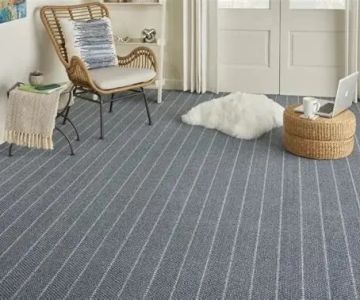
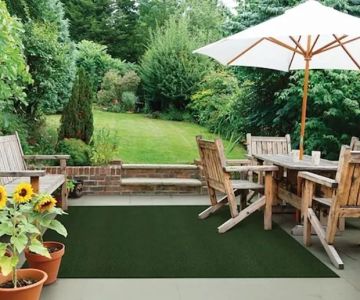
Neutral-toned carpets, such as gray, beige, or navy, work well in spaces where you want the furniture or wall colors to stand out. These solid colors offer a subtle yet effective way to define zones without overpowering the design.
4.3 Traditional and Persian Rugs
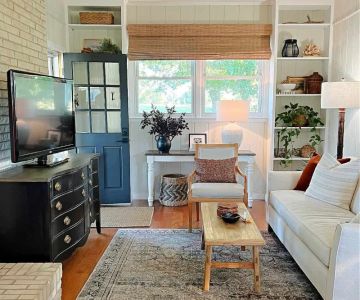
If you prefer a more classic or vintage aesthetic, traditional or Persian rugs are a great option. These rugs can add warmth and character to a space while helping to define zones, especially in larger, more open living areas.
5. Combining Different Carpets for a Cohesive Look
If your open floor plan is divided into several functional zones, consider using multiple carpets to create visual separation while maintaining a cohesive look. Here are a few ideas:
5.1 Use Complementary Rugs in Different Sizes
By using rugs of varying sizes and shapes, you can create unique zones while ensuring the overall design feels harmonious. For example, you could use a large rug in the living area and smaller rugs in the dining or work zones, ensuring they complement each other in terms of color and texture.
5.2 Stick to a Consistent Color Palette
To prevent the space from feeling disjointed, keep the color palette consistent across all carpets. Use complementary colors or varying shades of the same color to tie the space together while allowing each zone to feel distinct.
6. Conclusion: Make Your Open Floor Plan Feel More Defined with Carpets
Using carpets to define zones in open floor plans is a simple yet effective way to enhance your home’s layout and functionality. By carefully selecting the right carpets, you can create clear divisions between areas while maintaining a cohesive and inviting design. Whether you opt for traditional, modern, or eclectic styles, the right carpet can transform your space into a more organized and visually appealing environment.
For more information on selecting the perfect carpets for your open floor plan, visit CarpetHub for the latest trends and product recommendations.

 Affordable Floors4.0 (22 reviews)
 Lowe's Home Improvement4.0 (1436 reviews)
 Ollie's Bargain Outlet4.0 (742 reviews)
 Fry's Flooring, LLC4.0 (30 reviews)
 Carpet Center Inc4.0 (46 reviews)
 General Floor4.0 (32 reviews)
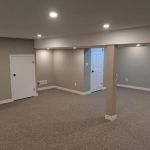 Transform Your Basement with Durable Carpet Options | CarpetHub
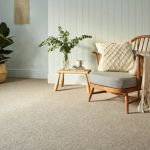 How to Choose Carpet That Will Complement Your Wall Colors
 Choosing the Best Carpet for Homes with Pets
 How to Choose Carpet for a Rental Property: Best Practices for Landlords
 The Best Carpet for Homes with High Foot Traffic
 How to Clean Pet Stains Without Damaging Your Carpet