
- Humidity-Challenges-Carpet-Homes
- Carpet-Materials-That-Work-in-Humid-Regions
- Carpet-Options-That-Often-Fail-in-Humidity
- Backing-Padding-and-Installation-Choices
- Real-Homeowner-Experiences
- Maintenance-Strategies-for-Humid-Homes
- Smart-Ways-to-Choose-the-Right-Carpet
1. Why Humidity Creates Unique Challenges for Carpet
Choosing flooring is rarely simple, but for homeowners living in humid environments—places like Florida, Louisiana, or coastal Texas—the decision becomes even more complicated. Moisture in the air doesn’t just affect comfort levels inside the house; it also affects how flooring materials behave over time.
Carpet, in particular, reacts strongly to humidity. When moisture levels rise, fibers can trap damp air, leading to unpleasant odors, mildew growth, and in some cases even structural damage to the flooring underneath.

Verona Carpet Shop
Cedar GroveEssex CountyNew Jersey
450 Pompton Ave Suite 130, Cedar Grove, NJ 07009, USA
1.1 Moisture Retention Inside Carpet Fibers
Carpet works like a sponge. While this makes it soft and comfortable, it also means fibers can absorb humidity from the surrounding air. In high-moisture climates, this absorption can lead to slow drying and lingering dampness.
Over time, this creates the perfect environment for microbial growth. Mold and mildew don’t just damage the carpet; they can affect indoor air quality as well.

1.2 Odors and Indoor Air Quality
Many homeowners first notice humidity problems through smell. A faint musty odor can develop in rooms with older carpet, especially in spaces with limited airflow like basements or guest rooms.
This is one of the biggest reasons people start searching for the best carpet for humid climates. The right material dramatically reduces these issues.
1.3 Hidden Structural Problems
Moisture doesn’t stop at the carpet surface. It can travel down into the padding and even the subfloor. If moisture remains trapped for long periods, wooden subfloors may warp and adhesives can weaken.
Because of these risks, selecting the right carpet system—not just the fibers—is critical in humid environments.
2. Carpet Materials That Perform Well in Humid Regions
Not all carpets react the same way to humidity. Some materials naturally resist moisture and mold, making them far more suitable for damp environments.
2.1 Nylon: The Most Reliable Choice
Nylon remains one of the most widely recommended materials for humid climates. It is durable, resilient, and significantly less absorbent than many natural fibers.
Because nylon dries relatively quickly, it reduces the likelihood of mold growth. Many modern nylon carpets are also treated with stain and moisture resistance coatings, adding another layer of protection.
Homeowners browsing options on CarpetHub often find nylon carpets among the most versatile solutions for high-humidity areas.
2.2 Polyester: Affordable and Moisture Resistant
Polyester carpets have become increasingly popular over the last decade. Unlike natural fibers, polyester does not absorb water easily. This makes it a practical option for households dealing with consistent humidity.
Another advantage is color retention. Polyester fibers hold dye extremely well, meaning the carpet maintains its appearance even after years of use.
2.3 Olefin (Polypropylene): Ideal for Coastal Areas
Olefin fibers are naturally resistant to moisture and mildew. This makes them especially suitable for coastal homes where humidity levels stay high throughout the year.
Many indoor-outdoor carpets use olefin for precisely this reason. While it may not be as soft as nylon, it performs exceptionally well in challenging climates.
3. Carpet Options That Often Fail in Humid Conditions
While some carpets perform well in moisture-heavy environments, others tend to struggle. Understanding which materials to avoid can save homeowners significant frustration.
3.1 Wool Carpets
Wool is often praised for its luxury and natural beauty, but it has a major drawback in humid climates: it absorbs moisture easily.
While wool can regulate humidity in moderate environments, prolonged dampness can cause odor problems and mold risks.
3.2 Thick Plush Carpets
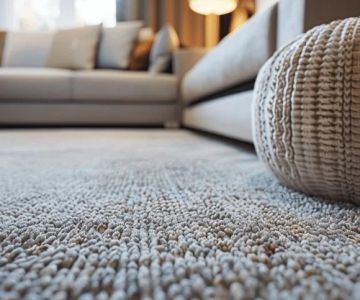
Deep pile or plush carpets look luxurious, but they trap more air and moisture than low-pile designs. In humid homes, this extra density slows drying time significantly.
As a result, many flooring experts recommend lower pile carpets for humid regions.
3.3 Poor Quality Backings
Sometimes the issue isn’t the carpet fibers at all—it’s the backing material. Low-quality backings can absorb moisture and hold it beneath the surface where it becomes difficult to dry.
4. Backing, Padding, and Installation Decisions That Matter
Even the best carpet for humid climates can fail if the installation system isn’t designed for moisture control.
4.1 Choosing Moisture-Resistant Carpet Padding
Carpet padding plays a critical role in moisture management. Closed-cell foam padding, for example, resists water absorption and prevents moisture from reaching the subfloor.
This type of padding is particularly helpful in coastal homes and humid southern states.
4.2 Proper Subfloor Preparation
Before installing carpet, professionals often check subfloors for existing moisture issues. If the subfloor already contains trapped humidity, installing carpet on top can worsen the problem.
4.3 Ventilation During Installation
Proper airflow during and after installation helps adhesives cure correctly and prevents early moisture buildup.
5. Real Homeowner Experiences from Humid Regions
A homeowner in Tampa once shared a story on a home improvement forum that quickly gained attention online. After installing a thick wool carpet in a ground-floor bedroom, they began noticing a persistent musty smell within months.
The cause turned out to be trapped humidity beneath the carpet padding. After replacing the flooring with a low-pile nylon carpet and moisture-resistant padding, the issue disappeared entirely.
Stories like this have become increasingly common across humid states. They highlight how critical the right materials are when choosing flooring.
Many homeowners now research options more carefully, often comparing materials and installation methods through platforms like CarpetHub before making a purchase.
6. Maintenance Strategies That Extend Carpet Life
Even moisture-resistant carpets need proper care in humid environments.
6.1 Use Dehumidifiers
A good household dehumidifier can dramatically reduce the risk of mold and mildew in carpeted rooms.
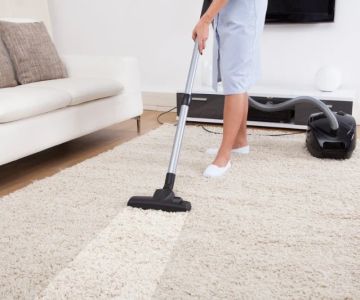
6.2 Vacuum Frequently
Regular vacuuming helps remove particles that retain moisture, improving airflow through the carpet fibers.
6.3 Schedule Professional Cleaning
Deep cleaning every 12–18 months helps remove embedded dirt and bacteria that thrive in humid environments.
7. Smart Ways to Choose the Right Carpet for Humid Homes
Choosing carpet for humid climates requires balancing comfort, durability, and moisture resistance.
7.1 Focus on Fiber Technology
Synthetic fibers like nylon and polyester typically outperform natural materials in high humidity.
7.2 Consider Pile Height
Low to medium pile carpets allow better airflow and dry faster than thick plush designs.
7.3 Evaluate the Entire Carpet System
Fiber type, padding, backing, and installation methods all influence how well carpet performs in humid environments.
By exploring carefully curated flooring options and expert recommendations through CarpetHub, homeowners can compare products designed specifically for moisture-prone regions.
When humidity is a constant part of daily life, selecting the right carpet becomes more than a design choice—it becomes an investment in comfort, durability, and indoor air quality.

 M & Z Carpets and Flooring3.0 (54 reviews)
 Towne Paint & Flooring5.0 (47 reviews)
 Bailey's Custom Carpets, Inc.4.0 (15 reviews)
 Miller's Furniture-Carpet Otlt3.0 (34 reviews)
 Eliko Rug Gallery5.0 (20 reviews)
 Bennington House of Tile and Carpet4.0 (49 reviews)
 The Top Carpet Brands to Consider for Your Next Purchase
 Carpet vs. Laminate Flooring: Which Is Right for You?
 How to Choose Carpet for a Rental Property: Best Practices for Landlords
 How to Get Rid of Bad Odors in Your Carpet: Proven Solutions
 The Future of Carpet Technology: What’s Next in Flooring?
 Top 10 Carpet Styles Trending in 2025: From Plush to Patterned