
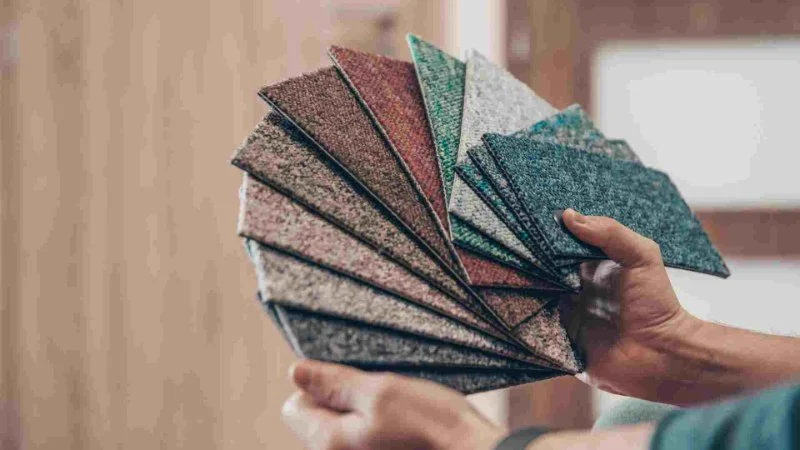
- 1. Understanding Carpet Construction Basics
- 2. Cut Pile Carpet Styles Explained
- 3. Loop Pile and Berber Options
- 4. Cut and Loop Designs for Texture
- 5. Choosing the Right Style for Your Space
- 6. Why Carpet Material Matters as Much as Style
1. Understanding Carpet Construction Basics
If you've ever walked into a flooring showroom and felt overwhelmed, you're not alone. When I replaced the flooring in my first home, I thought choosing carpet would be simple. Instead, I discovered there are dozens of carpet styles, fibers, textures, and performance ratings. That experience is exactly why understanding carpet construction is the first step in The Ultimate Guide to Carpet Styles.
Carpet is generally made using one of three construction methods:
- 1. Cut pile
- 2. Loop pile
- 3. Cut and loop combination
The way fibers are cut or looped directly affects appearance, comfort, durability, and maintenance. Before focusing on color or pattern, understanding construction helps you narrow your options intelligently.
1.1 Why Construction Impacts Performance
High-traffic households with pets and kids need durable styles that hide footprints and vacuum marks. On the other hand, formal spaces benefit from softer, more luxurious textures. The structure of the carpet fibers determines how well it resists crushing and matting over time.
2. Cut Pile Carpet Styles Explained
Cut pile carpet is created when yarn loops are cut, leaving exposed fiber ends. This produces a softer feel underfoot and a more traditional look.
2.1 Plush (Velvet) Carpet
Plush carpet offers a smooth, elegant surface. It’s common in bedrooms and formal living rooms. However, it shows footprints and vacuum lines easily. If aesthetics matter more than traffic durability, plush delivers a clean, upscale finish.
2.2 Saxony Carpet
Saxony is similar to plush but slightly more textured. It provides softness while still maintaining a tailored appearance. Many homeowners choose Saxony for master bedrooms because it balances comfort and style.
2.3 Frieze Carpet
Frieze carpet features tightly twisted fibers that curl in different directions. This texture hides wear exceptionally well. A friend of mine installed frieze throughout her busy family home with two dogs, and five years later, it still looks remarkably fresh.
For high-activity households, frieze is often one of the best carpet styles available.
3. Loop Pile and Berber Options
Loop pile carpets leave the fibers uncut. The loops create a structured, durable surface ideal for high-traffic areas.
3.1 Berber Carpet
Berber is one of the most recognizable loop pile carpet styles. It features tight loops, often with flecks of darker fibers. It’s popular for basements and family rooms because it resists crushing and hides dirt well.
One important consideration: Berber can snag if you have pets with sharp claws. While durable, it’s not always ideal for every household.
3.2 Level Loop vs. Multi-Level Loop
Level loop carpets maintain uniform loop height for a clean, commercial look. Multi-level loop carpets create patterns and texture through varying loop heights. These add visual interest without sacrificing durability.
4. Cut and Loop Designs for Texture
Cut and loop carpet styles combine both construction methods to create patterns and depth. These styles are excellent for homeowners who want subtle design elements built directly into the flooring.
4.1 Patterned Carpet
Patterned carpets use cut and loop combinations to create geometric or abstract designs. They work beautifully in modern interiors where flooring becomes part of the design statement.
4.2 Textured Carpet
Textured carpets are among the most versatile options. They offer visual softness and are forgiving in high-traffic areas. Many interior designers recommend textured styles for living rooms because they strike a balance between elegance and practicality.
5. Choosing the Right Style for Your Space
When selecting from different carpet styles, function should guide your choice before aesthetics.
5.1 High-Traffic Areas
Hallways, stairs, and family rooms benefit from loop pile or frieze options. These resist flattening and maintain their look longer.
5.2 Bedrooms
Bedrooms prioritize comfort. Plush or Saxony carpets create a warm, soft landing in the morning.
5.3 Basements
Moisture-resistant synthetic fibers combined with durable loop construction often perform best in lower-level spaces.
During a recent renovation trend featured in several U.S. home improvement shows, designers emphasized practicality over trend-driven choices. Many homeowners regretted choosing ultra-soft plush carpet in high-traffic spaces because it wore down quickly.
6. Why Carpet Material Matters as Much as Style
Even the best carpet styles perform poorly if the fiber isn’t suited to your lifestyle.
- 1. Nylon: Highly durable and resilient.
- 2. Polyester: Budget-friendly and stain-resistant.
- 3. Olefin: Moisture-resistant, ideal for basements.
- 4. Wool: Natural, luxurious, and long-lasting.
Nylon remains one of the most popular materials in the United States because it balances comfort and durability. Wool, while premium, offers unmatched natural resilience and sustainability.
If you’re unsure which combination of fiber and carpet style fits your needs, CarpetHub provides expert guidance and curated selections to simplify the decision. Choosing flooring is a long-term investment, and having access to professional insight ensures you avoid costly mistakes.
The right carpet transforms not just a room—but the way it feels to live in your home. By understanding construction, texture, and fiber types, you can confidently select from the wide range of carpet styles available and create a space that looks beautiful and performs for years to come.

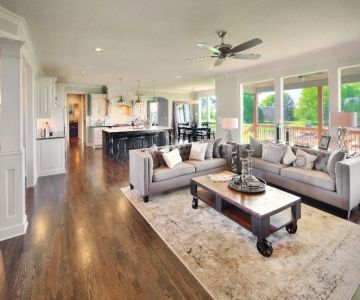
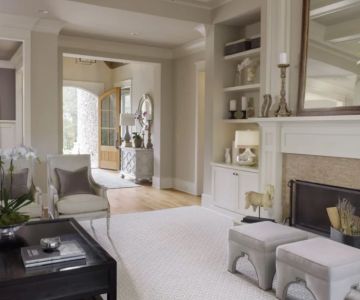
 Genesee Flooring4.0 (13 reviews)
 Shiraz Antique Carpets4.0 (3 reviews)
 Reliable Flooring Contractor LLC3.0 (4 reviews)
 J & D Oriental Rug Co.4.0 (35 reviews)
 Earth First Flooring & Tile Co.4.0 (25 reviews)
 Habitat for Humanity ReStore3.0 (117 reviews)
 Why Carpet is Better for Certain Rooms in Your Home
 The Benefits of Custom Carpets for Your Home Design
 The Best Carpet Brands for Durability and Style: Your Ultimate Guide to Choosing the Right Carpet
 Nylon vs. Polyester Carpets: Which Offers Better Durability and Stain Resistance?
 How to Keep Your Carpet Clean Without Spending a Fortune
 Should You Choose Carpets or Hardwood for Your Home’s Entryway?