
- Understanding Allergies and Carpets - dust mites - indoor triggers - hidden allergens
- Why Carpets Trap Allergens - fibers - humidity - household traffic
- Choosing Allergy-Friendly Flooring - materials - comparisons - practical tradeoffs
- Cleaning Strategies That Work - vacuuming - steam cleaning - maintenance routines
- Real Home Scenarios and Solutions - family cases - seasonal reactions - improvement stories
- Expert Practical Recommendations - airflow - humidity control - long-term habits
Carpet and Allergy Solutions for Homeowners: A Practical Guide to Cleaner Living Spaces
Many homeowners don’t realize how closely indoor comfort is tied to what’s beneath their feet. Carpets make a home feel warm and inviting, but they can also quietly collect particles that affect breathing comfort over time. When people start searching for carpet and allergy solutions for homeowners, they’re usually dealing with recurring sneezing, unexplained congestion, or seasonal symptoms that never seem to fully go away indoors.
The reality is that carpets are not inherently “bad.” The issue is how they interact with dust, humidity, pet dander, and daily activity. Once you understand that relationship, it becomes much easier to control allergens without giving up the comfort of a soft, carpeted home.

Angelos Carpet One Floor & Home
LevittownBucks CountyPennsylvania
946 Woodbourne Rd, Levittown, PA 19057, USA
Why Indoor Allergies Often Start from the Floor
Carpets act like a soft filter. Every step, every movement, and even airflow from HVAC systems pushes particles down into the fibers. Over time, this creates a hidden layer of allergens that can easily be disturbed again.
Common triggers found in household carpets include dust mites, pollen carried from outdoors, pet dander, and microscopic mold spores in humid environments. These elements don’t just sit still—they circulate whenever someone walks across the room or when a vacuum without proper filtration is used.
In many homes, the problem isn’t visible dirt—it’s what you can’t see. That’s why people often notice symptoms worsening at night or early in the morning when they spend longer periods in carpeted bedrooms.

What Makes Carpets Hold Allergens So Effectively
Carpet fibers are designed to provide softness and insulation, but that same structure also creates small spaces where particles settle. Unlike hard flooring, which can be wiped clean quickly, carpets require deeper cleaning to remove embedded materials.
Humidity plays a major role here. In warmer environments or poorly ventilated rooms, moisture allows dust mites to thrive. Even normal household humidity can support their life cycle, which is one of the reasons symptoms often worsen in certain seasons.
Foot traffic adds another layer. Shoes bring in outdoor pollutants, and even indoor slippers can carry fine dust. Over time, these particles build up in layers, especially in high-traffic areas like living rooms and hallways.
This is where proper carpet and allergy solutions for homeowners become essential—not just cleaning occasionally, but building consistent habits that reduce buildup over time.
When Flooring Choices Make a Big Difference
Some homeowners reach a point where they reconsider flooring entirely. While replacing carpets is a big decision, understanding alternatives helps clarify what level of maintenance you’re comfortable with.
Hardwood, laminate, and tile floors naturally resist allergen buildup because they don’t trap particles in fibers. However, they can feel colder and less comfortable, especially in bedrooms or family spaces.
Modern carpet technology has also improved. Low-pile carpets, tightly woven synthetic fibers, and hypoallergenic materials can significantly reduce allergen retention compared to older styles.
Choosing between flooring types is less about “good vs bad” and more about balancing comfort, maintenance effort, and indoor air quality goals.
Cleaning Habits That Actually Reduce Allergens
One of the most important parts of managing indoor allergens is consistency. A powerful vacuum used once a month won’t help as much as a moderate routine done weekly.
Vacuuming with a HEPA filter is especially effective because it traps fine particles instead of releasing them back into the air. Slow, overlapping passes allow deeper extraction from carpet fibers.
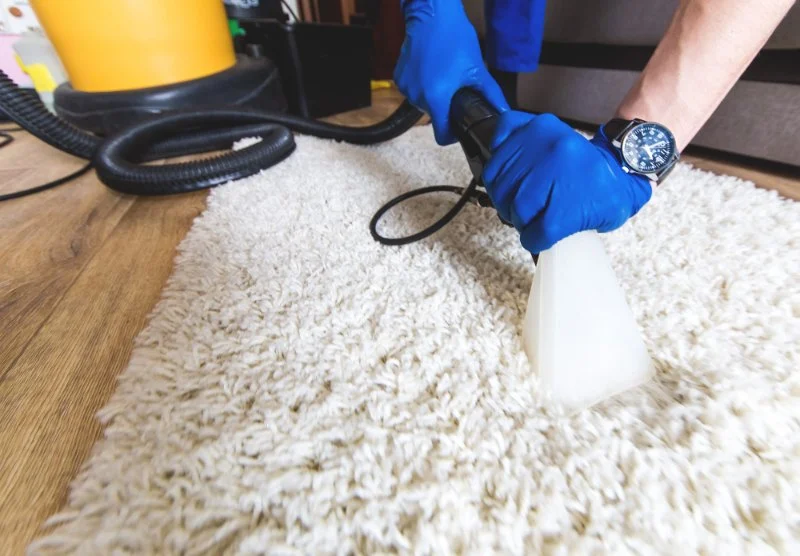
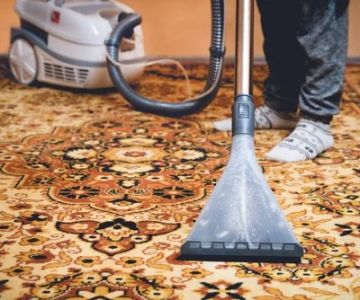
Steam cleaning, when done correctly, can also break down dust mite populations and remove deeply embedded debris. However, over-wetting carpets can create moisture issues, so balance is key.
Many homeowners also underestimate the importance of air circulation. Running air purifiers, maintaining HVAC filters, and controlling indoor humidity between 40–50% can significantly reduce allergen activity.
For households seeking structured improvement, platforms like CarpetHub often help homeowners explore cleaning products, filtration tools, and carpet materials that support healthier indoor environments.
A Real Home Example: When Small Changes Made a Big Difference
One common story among families involves children experiencing persistent morning congestion. In one suburban household, parents initially suspected seasonal allergies. However, symptoms continued even outside peak pollen seasons.
After evaluating the home environment, they discovered that the bedroom carpet had not been deeply cleaned for several years. Combined with high humidity and a pet sleeping nearby, it created ideal conditions for allergen buildup.
Instead of removing the carpet immediately, they began with gradual changes: weekly HEPA vacuuming, humidity control using a dehumidifier, and replacing air filters more frequently. Within a few weeks, noticeable improvement began.
Eventually, they upgraded to a low-pile hypoallergenic carpet and reduced fabric clutter in the room. The combination of these steps led to a more stable indoor environment and fewer allergy flare-ups.
This kind of situation is more common than many homeowners realize. The solution is rarely one single action—it’s a layered approach.
Building a Long-Term Allergy-Friendly Home Environment
Professionals in indoor air quality often emphasize prevention over reaction. Once allergens build up, removal becomes much harder than prevention.
Maintaining consistent cleaning schedules, controlling humidity, and choosing appropriate flooring materials form the foundation of a healthier home environment. Even small habits, like removing shoes at the door or cleaning vents regularly, can reduce long-term exposure.
Airflow management is another key factor. Proper ventilation reduces stagnant air where allergens accumulate. In combination with filtration systems, this creates a more balanced indoor ecosystem.
Ultimately, effective carpet and allergy solutions for homeowners are not about eliminating carpets entirely—they’re about making smarter choices that align with your household’s sensitivity levels and lifestyle.
For homeowners looking to explore tools, materials, and practical home improvement ideas tailored to indoor air quality, CarpetHub offers resources designed to help create cleaner, more comfortable living spaces without unnecessary complexity.

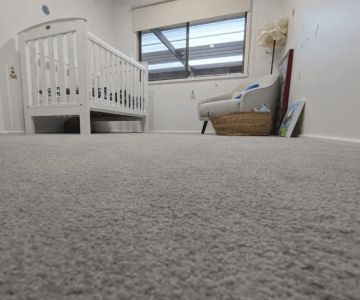
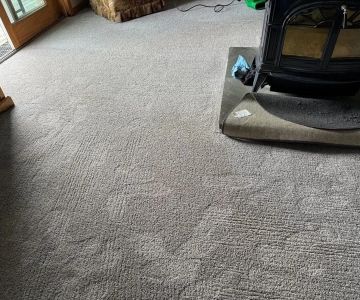
 Long Island Carpet5.0 (11 reviews)
 Lumber Liquidators4.0 (55 reviews)
 Rhody Rug, Inc.4.0 (15 reviews)
 The Floor Trader Outlet of Chambersburg5.0 (76 reviews)
 RPS Carpet & Flooring Wholesalers4.0 (142 reviews)
 Deans Carpet One Floor & Home2.0 (12 reviews)
 Choosing Between Wall-to-Wall and Area Rugs: Which is Right for You?
 Carpet Maintenance Myths You Need to Stop Believing
 How to Prevent Carpet from Wrinkling or Buckling Over Time
 Choosing Pet‑Friendly Carpet Colors That Hide Fur and Dirt
 How to Select Carpet for Your Home’s Entryway or Foyer | CarpetHub
 How to Choose the Right Carpet Color for a Cozy and Inviting Home