
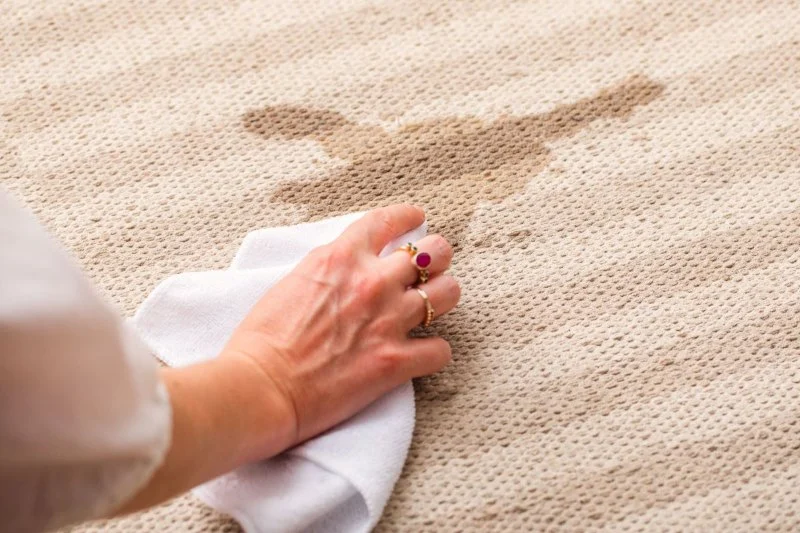
Safe and Effective Ways to Remove Paint from Carpet Without Ruining It
- 1-understanding-paint-types-and-carpet-materials
- 2-preparation-and-safety-tips
- 3-removing-latex-or-water-based-paint
- 4-tackling-oil-based-paint-stains
- 5-using-commercial-cleaners-and-solvents
- 6-hands-on-techniques-to-lift-paint
- 7-preventing-future-paint-stains-on-carpets
- 8-real-life-case-studies
- 9-recommended-products-and-services
1. Understanding Paint Types and Carpet Materials
Before attempting to remove paint from carpet, it is crucial to understand the type of paint and the carpet material. Water-based paints such as latex are easier to remove than oil-based paints. Similarly, carpets made of synthetic fibers like nylon or polyester are more resilient than delicate natural fibers like wool.
Towne Paint & Flooring
Egg Harbor CityAtlantic CountyNew Jersey
5942 Duerer St, Egg Harbor City, NJ 08215, USA
1.1 Water-Based vs. Oil-Based Paint
Water-based paints dissolve in water, making them easier to lift with gentle cleaning agents. Oil-based paints, on the other hand, require solvents for removal and pose a higher risk of damaging the carpet fibers if not handled correctly.

1.2 Carpet Fiber Considerations
Understanding your carpet’s fiber is key. Synthetic fibers tolerate scrubbing and chemical cleaners better, while natural fibers need careful handling to avoid discoloration or fraying.
2. Preparation and Safety Tips
Preparation is critical to avoid spreading the paint and damaging your carpet further.
2.1 Gather Supplies
Essential supplies include a soft-bristled brush, white cloths or paper towels, mild detergent, warm water, rubbing alcohol or mineral spirits (for oil-based paint), and a small vacuum cleaner.
2.2 Protect Surrounding Areas
Place a protective sheet or old towels around the stain to prevent accidental paint spread. Ensure proper ventilation if using chemical solvents.
3. Removing Latex or Water-Based Paint
Water-based paints are more forgiving and can be removed using household items.
3.1 Blotting Fresh Paint
Gently blot the wet paint with a white cloth to absorb as much as possible. Avoid rubbing, which can push the paint deeper into the carpet fibers.
3.2 Cleaning with Soap and Water
Mix warm water with a few drops of mild detergent. Using a sponge, dab the solution onto the stain, blotting frequently. Repeat until the paint lifts, then rinse with plain water and blot dry.
3.3 Drying the Area
Use a clean cloth to absorb excess moisture. Allow the carpet to air dry completely before walking on it to prevent fiber distortion.
4. Tackling Oil-Based Paint Stains
Oil-based paints require stronger solutions for effective removal.
4.1 Using Solvents Safely
Apply a small amount of mineral spirits or rubbing alcohol to a white cloth. Blot the stain gently, starting from the outside and moving inward. Avoid over-saturating the carpet to prevent damage to the backing.
4.2 Patience and Repetition
Stubborn oil-based stains may require multiple applications. Patience is key, ensuring that each application allows the solvent to break down the paint without harming the fibers.
5. Using Commercial Cleaners and Solvents
Several commercially available carpet cleaners are formulated specifically to remove paint stains. Products like enzymatic cleaners and specialized stain removers provide professional-level results while minimizing fiber damage.
5.1 Application Tips
Follow manufacturer instructions carefully, test on an inconspicuous area first, and use only recommended amounts to avoid chemical overexposure.
6. Hands-On Techniques to Lift Paint
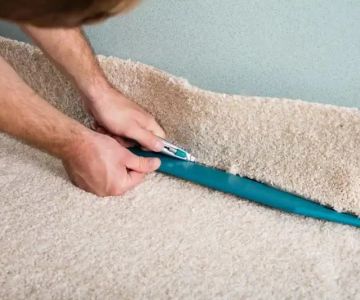
Mechanical techniques complement chemical treatments. Using a soft-bristled brush or even a plastic scraper can help loosen dried paint gently without harming carpet fibers.
6.1 Scraping and Brushing
Carefully lift the paint from the fibers. Combine with blotting for maximum effect, ensuring repeated gentle movements rather than aggressive scraping.
7. Preventing Future Paint Stains on Carpets
Prevention is easier than cure. When painting near carpeted areas, always lay down drop cloths and secure them. Quick attention to spills and stains also prevents long-term damage.
7.1 Use Protective Barriers
Plastic sheeting or painter’s tape around carpet edges prevents paint seepage.
7.2 Immediate Response
Address spills immediately using blotting and cleaning solutions for the best results and to prevent deep penetration into the fibers.
8. Real-Life Case Studies
One homeowner accidentally spilled latex paint during a weekend project. Following step-by-step blotting and soap-and-water treatment, the carpet was restored within a few hours without discoloration. Another example involved an oil-based paint spill in a living room; by carefully applying mineral spirits and blotting, the homeowner achieved near-perfect restoration, illustrating the effectiveness of proper techniques.
9. Recommended Products and Services
For the best results, visiting CarpetHub provides access to top-rated carpet cleaning solutions, professional stain removers, and step-by-step guidance on restoring your carpet safely. Leveraging these resources ensures your carpet remains clean and vibrant even after paint accidents.


 Home Outlet4.0 (91 reviews)
 The Home Depot4.0 (766 reviews)
 Cambria Ace Hardware4.0 (334 reviews)
 Floor & Decor4.0 (35 reviews)
 3RD GEN FLOORING LLC5.0 (10 reviews)
 Knockout Carpet Inc3.0 (21 reviews)
 How to Match Your Carpet with Your Home’s Color Scheme
 Carpet Trends for 2025: How to Stay Ahead of the Curve
 How to Find the Best Deals on High-Quality Carpets
 The Best Carpet Options for Family-Friendly Homes
 How to Choose a Carpet That Will Match Your Home’s Architectural Style
 How to Maintain Your Carpet to Keep It Looking Like New | CarpetHub