
- understanding-older-home-structure - How aging construction impacts flooring decisions
- subfloor-challenges-explained - Uneven surfaces, moisture, and structural shifts
- best-carpet-materials-old-homes - Fibers and padding that work best in vintage houses
- installation-considerations - What installers must check before laying carpet
- comfort-insulation-and-acoustics - Why carpet matters more in older homes
- real-renovation-stories - Homeowner experiences and lessons learned
- long-term-care-strategies - Maintaining carpet in aging properties
Why Choosing Carpet for Older Homes Requires a Different Mindset
Working with older homes is never the same as working with new construction. Floors may shift, subfloors may slope slightly, and materials used decades ago often behave differently under modern renovation conditions. That is why choosing carpet for older homes is not just a design decision—it is a structural one.
Many homeowners underestimate how much the age of a house influences flooring performance. A carpet that looks perfect in a showroom may behave very differently when placed over a 70-year-old wooden subfloor that has naturally settled over time.
Walls to Floors, Inc
Woodland ParkPassaic CountyNew Jersey
662 McBride Ave, Woodland Park, NJ 07424, USA
Understanding the Hidden Challenges Beneath Older Floors
Subfloor movement and uneven surfaces
One of the most common issues in vintage homes is uneven subflooring. Over decades, wooden beams shift slightly due to humidity changes, seasonal expansion, and natural settling. This can cause dips or slopes that affect how carpet lays on the surface.
Normandy Carpet
GaithersburgMontgomery CountyMaryland
7621 Rickenbacker Dr STE 100, Gaithersburg, MD 20879, USA
Moisture retention risks
Older homes often lack modern moisture barriers. This means humidity can travel upward, affecting padding and even causing long-term odor issues if the wrong materials are used.
Outdated underlayment materials
In some renovation cases, installers discover layers of old flooring materials underneath existing surfaces. These layers can create instability if not properly addressed before installation.
Understanding these issues early is critical before selecting any home renovation flooring solution.
Best Carpet Materials That Work Well in Older Homes
Wool carpets for natural adaptability
Wool remains one of the most reliable choices for older homes. It naturally adapts to humidity changes, provides insulation, and offers long-term durability even on imperfect surfaces.
Solution-dyed synthetic fibers
Modern synthetic carpets are designed to resist stains and moisture. In homes where environmental control is inconsistent, these materials provide stability and easy maintenance.
High-density padding for leveling support
Padding is just as important as the carpet itself. High-density foam or rubber padding can help smooth out minor subfloor imperfections and improve comfort underfoot.
Many homeowners exploring flooring upgrades turn to CarpetHub to compare material performance across different home conditions before making a final decision.
Installation Considerations That Make or Break the Result
Pre-installation floor assessment
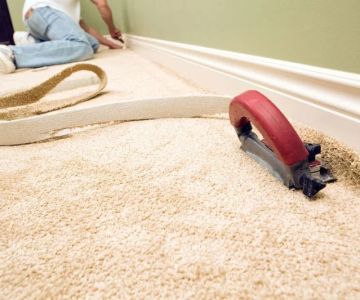
A professional installer will always inspect for slope, moisture, and structural integrity before laying carpet. Skipping this step can lead to bubbling or premature wear.
Subfloor repair before installation
In some cases, leveling compounds or reinforcement panels are needed. This ensures the carpet sits evenly and extends its lifespan significantly.
Transition zones between rooms
Older homes often have uneven thresholds between rooms. Proper transition strips and careful measurement help avoid visible seams or tripping hazards.
Why Carpet Works Especially Well in Older Homes
Thermal insulation benefits
Many older homes were built before modern insulation standards. Carpet adds an additional thermal layer, helping maintain indoor warmth during colder months.
Sound absorption in wooden structures
Hardwood framing and thin walls often make older homes noisy. Carpet significantly reduces echo and footstep noise, improving overall comfort.
Visual unification of aging interiors
Carpet can visually unify uneven or worn flooring surfaces, creating a more cohesive and refreshed interior appearance without requiring full structural renovation.
Real Home Renovation Stories That Reveal Practical Lessons
1920s bungalow restoration
A homeowner restoring a 1920s bungalow discovered that the living room floor had a slight slope caused by decades of foundation settling. Instead of replacing the subfloor entirely, they used reinforced padding and a medium-pile carpet to balance visual irregularities.
Victorian house acoustic improvement
In a Victorian-style home, owners struggled with noise traveling between floors. After installing dense carpet with thick underlay, the sound levels dropped significantly, making upstairs bedrooms far more comfortable.
These examples highlight how thoughtful material selection can solve structural challenges without expensive reconstruction.
Comfort, Insulation, and Everyday Living Improvements
Older homes often feel colder and less insulated than modern builds. Carpet helps address this by acting as a soft thermal layer that retains heat. It also improves comfort in high-use areas like hallways and bedrooms where hard flooring may feel too harsh.
Beyond temperature, carpet improves safety. Slight floor inconsistencies become less noticeable, reducing trip risks for children and older adults.
Long-Term Maintenance Strategies for Aging Properties
Regular deep cleaning schedules
Older homes often accumulate dust in deeper floor layers. Scheduled professional cleaning helps maintain air quality and extend carpet lifespan.
Monitoring humidity levels
Keeping indoor humidity stable prevents padding degradation and mold risks, especially in basements or ground-floor installations.
Early wear detection
Checking high-traffic areas regularly allows homeowners to address wear patterns before they become permanent damage.
Final Thoughts on Smart Flooring Decisions for Older Homes
Selecting the right carpet for an older property is a balance between respecting the home’s structural reality and enhancing modern comfort. Instead of forcing uniformity, successful renovations work with the building’s natural character.
With the right materials, proper installation planning, and informed decision-making, older homes can feel just as comfortable and functional as new ones—sometimes even more so because of their unique character and warmth.

 Raymour & Flanigan Furniture and Mattress Store4.0 (1960 reviews)
 Wilton Floors LLC - Gansevoort4.0 (56 reviews)
 Mallary Carpet & Flooring4.0 (67 reviews)
 Affordable Floors4.0 (24 reviews)
 All Phase flooring5.0 (6 reviews)
 Schnaitman's Flooring America4.0 (13 reviews)
 How to Care for Your Carpet During the Winter Season
 How to Get Rid of Carpet Odors Without Expensive Products
 Does Carpet Increase Your Home’s Resale Value?
 How to Keep Your Carpet Clean Without Spending a Fortune
 How Carpet Adds Comfort and Warmth to Your Home
 DIY Carpet Installation vs Hiring a Professional: Key Considerations