
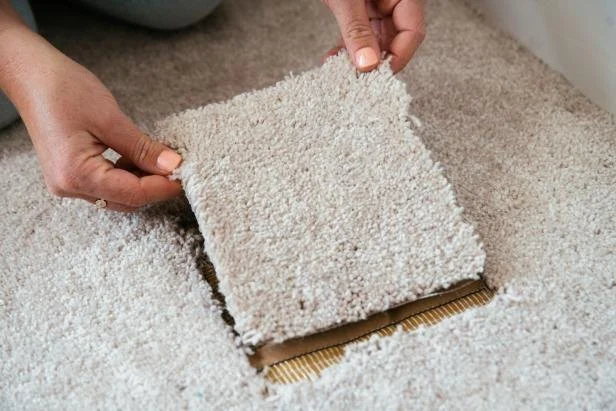
1. Understanding Common Carpet Installation Issues
Installing carpet in your home can significantly improve its appearance and comfort. However, despite your best efforts, issues may arise during the installation process. Knowing how to identify and fix these problems is key to achieving a smooth, professional finish. Below, we’ll cover some of the most common carpet installation issues and how to handle them.
Carpet installation can be tricky, especially if it's a DIY project. Many factors, from subfloor quality to adhesive choices, can impact the final result. Whether you're installing carpet in a small room or throughout your entire house, understanding potential issues is crucial. Let’s dive into some of the most frequent challenges homeowners face and how to fix them.

Bayville Carpet & Flooring Inc.
Berkeley TownshipOcean CountyNew Jersey
655 Rt 9, Roberts Plaza, Bayville, NJ 08721, USA
2. Uneven Surfaces and What to Do
One of the most common issues during carpet installation is an uneven surface. If the subfloor isn’t smooth or level, it can cause the carpet to sit improperly, leading to visible bumps or sagging. Uneven subfloors are often caused by damage, wear and tear, or poor construction.
How to Fix: To fix this, start by inspecting the subfloor for imperfections. If you find any uneven areas, use a floor leveler to smooth them out. Ensure that the subfloor is clean and dry before laying the carpet. If the subfloor is severely damaged, consider replacing it or hiring a professional to do so before installation. In extreme cases, plywood sheets may need to be installed to create a level surface for the carpet.
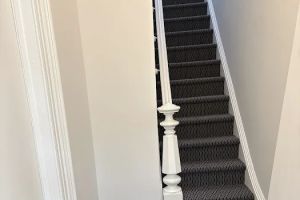
3. Dealing with Bubbles and Wrinkles
Bubbles and wrinkles can occur when the carpet isn’t stretched properly during installation. These imperfections often result from poor carpet stretching techniques or from the carpet not being tacked down securely along the edges.
How to Fix: To fix wrinkles or bubbles, use a power stretcher, a tool that pulls the carpet tight across the room. This should be done before the carpet is trimmed along the edges. For smaller wrinkles, a carpet seam roller can help flatten the surface. Once the carpet is properly stretched, it should lay flat against the floor.
If you notice these issues after installation, it’s best to call a professional to re-stretch the carpet. Re-stretching requires specialized tools to avoid damaging the carpet, so it’s often a task better left to experts.
4. Misaligned Seams
Misaligned seams are another common problem in carpet installation. If the seams of two carpet sections aren’t aligned properly, it can create an unsightly gap or noticeable line between the pieces. This can happen if the carpet sections aren’t cut accurately or the installer doesn’t align the seams correctly during the installation process.
How to Fix: Fixing misaligned seams requires re-cutting the carpet to make sure the edges are even. Use a carpet cutter or razor blade to trim the edges. Once the seams are properly aligned, use a heat seam iron and seam tape to fuse the edges together. It’s essential to apply the right amount of heat to ensure a solid bond, so take care not to overheat the seam.
5. Troubleshooting Loose Edges
Loose edges around the perimeter of the carpet are a common problem if the carpet is not properly secured. This issue may arise if the carpet wasn’t tacked down correctly during installation or if the adhesive used to fix the carpet is insufficient.
How to Fix: To solve loose edges, you’ll need to reattach the carpet using carpet glue or double-sided carpet tape. Start by pulling up the loose edges, cleaning the floor underneath, and applying a new adhesive. Press the carpet down firmly and allow it to set for a few hours. Make sure to tuck the edges neatly into place to avoid any visible gaps.
6. How to Avoid Common Carpet Installation Issues
While mistakes happen, you can avoid many common carpet installation issues by taking the right precautions. Here are some tips for ensuring a smoother installation process:
- Prep the Subfloor: Make sure the subfloor is clean, level, and free of debris before starting the installation. This helps prevent uneven surfaces and improves the overall installation quality.
- Use the Right Tools: Invest in the proper tools for carpet installation, such as a power stretcher, seam roller, and carpet cutter. Using the right equipment ensures that the carpet is installed securely and without imperfections.
- Hire a Professional: If you’re unsure about tackling the project yourself, hiring a professional can save you time and effort. Experts have the experience and tools to address potential issues quickly and efficiently.
7. Where to Find Quality Carpet Supplies
If you’re planning a carpet installation project, it’s essential to use quality materials and tools. CarpetHub offers a wide range of high-quality carpet supplies, from premium carpets to installation tools and adhesives. Visit CarpetHub to find the best products to ensure a successful carpet installation and avoid common problems.




 Floor Covering Warehouse4.0 (29 reviews)
 Queen City Flooring Solutions4.0 (15 reviews)
 Flooring Solutions, Inc.4.0 (10 reviews)
 Carpet Depot Home Center4.0 (29 reviews)
 Floor4Good5.0 (72 reviews)
 Middlesex County Flooring |J Brothers Flooring5.0 (14 reviews)
 What Are the Top Carpet Trends for 2025?
 Does Carpet Increase Your Home’s Resale Value?
 Top 10 Carpet Styles Trending in 2025: From Plush to Patterned
 Best Carpet Padding Options for Comfort and Durability | CarpetHub
 Why Carpet Can Be the Best Flooring Choice for Homes with Elderly Family Members
 The Most Popular Carpet Styles for Modern Homes