
- -Why-Consider-Replacing-Your-Carpet-Without-Doing-Your-Entire-Floor
- -Step-by-Step-Guide-to-Partial-Carpet-Replacement
- -Materials-You-Can-Use-When-Partial-Carpet-Replacement
- -Common-Mistakes-to-Avoid-During-Carpet-Replacement
- -Real-Life-Example-of-Successful-Partial-Carpet-Replacement
- -How-to-Ensure-Long-Term-Durability-of-Your-New-Carpet
1. Why Consider Replacing Your Carpet Without Doing Your Entire Floor
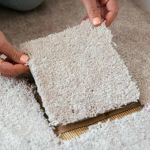
Replacing carpet in your home can be a significant investment, especially if you’re dealing with a large area. However, you don’t always have to replace the entire floor to refresh your space. How to replace carpet without replacing your entire floor is a common question homeowners have when considering renovations. Partial carpet replacement is a great way to update your home, improve aesthetics, and reduce costs without undergoing a full flooring overhaul.
1.1 Cost savingsFull carpet replacement can be expensive, particularly when you factor in removal and disposal fees. Partial replacement allows you to focus on high-traffic areas or specific rooms that need the most attention, saving you money.
1.2 Time efficiencyReplacing a section of your carpet instead of the entire floor is much quicker. You can have a fresh, updated look in just a few hours, compared to the several days it might take to replace your entire floor.
1.3 Minimal disruptionPartial carpet replacement minimizes the disruption to your daily life, as you won’t have to move all of your furniture or vacate the space for extended periods. This is especially beneficial if you live in a busy household.

2. Step-by-Step Guide to Partial Carpet Replacement
Partial carpet replacement is a manageable DIY project that can yield impressive results. Here’s how you can tackle it step by step:
2.1 Measure the areaStart by measuring the area of carpet that you want to replace. Whether it's a small patch or a larger section, accurate measurements are essential to ensure you purchase enough replacement material.
2.2 Choose your replacement carpetSelect a carpet that matches the existing floor as closely as possible in color and texture. If your carpet is older, it may be difficult to find an exact match, but many carpet stores offer similar colors and patterns.
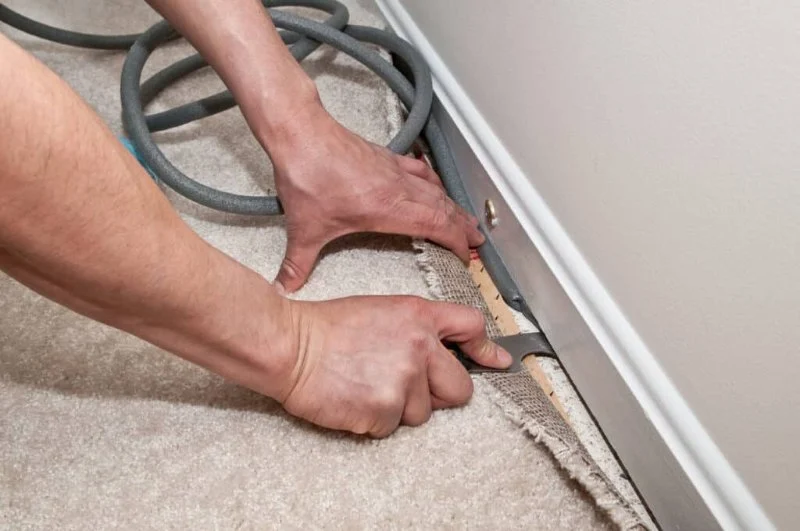
2.3 Prepare the areaRemove the old carpet from the area you’ll be replacing. This may involve cutting the old carpet into smaller pieces for easier removal. Be sure to also remove any padding underneath if it’s damaged or worn out.
2.4 Cut and install the new carpetUsing a carpet knife, cut the new carpet to fit the measured space. Install it by securing it to the floor using carpet adhesive or tack strips, depending on the type of carpet you’ve chosen.
2.5 Trim excess carpetOnce your new carpet is installed, trim any excess material along the edges to create a seamless look. If needed, blend the edges with the existing carpet using a carpet seaming tool.
3. Materials You Can Use When Partial Carpet Replacement
Selecting the right materials is crucial for a seamless and durable result. Here are the most common options:
3.1 Matching carpetThe easiest option is to find an exact match for your existing carpet. If that’s not possible, consider choosing a carpet with a similar texture and color that complements the rest of your flooring.
3.2 Carpet tilesCarpet tiles are an affordable and easy-to-install option for partial replacements. They come in a variety of colors and patterns and can be laid down quickly. Tiles also offer the advantage of easy replacement if one becomes damaged in the future.
3.3 Area rugsIf you only need to replace a small area or want a more decorative solution, area rugs are a great option. Rugs come in endless styles and sizes, allowing you to mix and match designs with ease.
4. Common Mistakes to Avoid During Carpet Replacement
Even simple DIY projects can go awry if you’re not careful. Here are common mistakes to avoid when replacing carpet:
4.1 Incorrect measurementsIt’s crucial to measure the area you’re replacing accurately. A wrong measurement can result in buying too little or too much carpet, both of which are costly.
4.2 Skipping the carpet paddingNever skip the padding beneath your carpet. Old padding should be replaced along with the carpet to ensure the floor feels soft and has good durability.
4.3 Not blending the seamsWhen replacing only part of the carpet, it’s important to properly blend the new carpet with the existing one. Use a carpet seam tape or seaming glue to ensure there’s a smooth transition between the two pieces.
4.4 Ignoring the carpet’s texture and pileMake sure that the texture and pile of the new carpet match the old one. Different textures can make the new carpet stand out, making the replacement look less natural.
5. Real-Life Example of Successful Partial Carpet Replacement
A family in Florida shared their experience of replacing only a section of their carpet. Their living room had worn-out patches, while the rest of the carpet was still in good condition.
5.1 The challengeThe biggest challenge was finding a matching carpet, as the original carpet was over five years old. After searching multiple stores, they found a close match that was nearly identical in texture and color.
5.2 The solutionWith the help of a few online tutorials and carpet adhesive, they successfully installed the new carpet within a few hours. The final result was seamless, and the area that had been damaged was now restored to its original state.
5.3 The lessonThey saved money by not replacing the entire carpet and were pleased with the outcome. The project not only improved the aesthetics of the room but also extended the life of their existing carpet.
6. How to Ensure Long-Term Durability of Your New Carpet
To get the most out of your partial carpet replacement, follow these tips for long-term maintenance:
6.1 Regular cleaningVacuum your new carpet regularly to prevent dirt buildup, and use a professional carpet cleaning service at least once a year to maintain its appearance.
6.2 Protect high-traffic areasIn areas where traffic is frequent, consider adding protective mats or area rugs to prolong the life of your carpet.
6.3 Address spills quicklyAlways clean spills immediately to prevent staining. Use a mild detergent and blot (never rub) the area to prevent damage to the fibers.
With a bit of effort, you can replace carpet without replacing your entire floor and give your space a fresh new look without breaking the bank. For more options and professional guidance, consider visiting CarpetHub, where you'll find a wide selection of products and expert advice.





 The Home Depot4.0 (491 reviews)
 Raymour & Flanigan Furniture and Mattress Store4.0 (1042 reviews)
 Ches-Mont Carpet One Floor & Home4.0 (16 reviews)
 The Home Depot4.0 (1750 reviews)
 Todd's House Of Carpets4.0 (11 reviews)
 Carpet World of Westchester II4.0 (14 reviews)
 How to Replace Carpet Without Replacing Your Entire Floor
 Creating a Warm and Inviting Space with Carpets: Expert Tips and Ideas
 Affordable Carpet Choices That Don’t Compromise on Quality
 The Best Carpet Styles for Luxury Homes and High-End Interiors
 Carpet vs. Hardwood: Which Flooring Option Is Right for You? | CarpetHub
 How to Fix Common Carpet Installation Issues: Expert Tips