
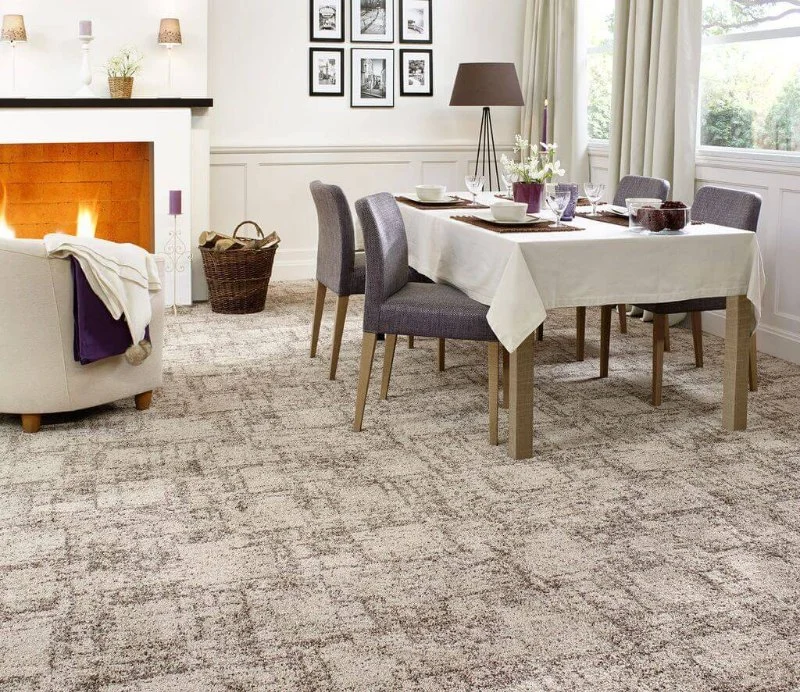
- #Comfort-Softness-and-Insulation - why homeowners love carpet
- #Cost-and-Installation-Factors - budgeting and practicality
- #Maintenance-Cleaning-and-Allergies - what daily life really looks like
- #Durability-and-Lifespan - how long carpet truly lasts
- #Style-and-Design-Flexibility - matching modern interiors
- #Real-Home-Case-Study - a homeowner’s experience
- #Is-Wall-to-Wall-Carpet-Right-for-You - making the final decision
1. Comfort, Softness, and Insulation
When people talk about The Pros and Cons of Wall-to-Wall Carpet, comfort is almost always the first thing that comes up—and for good reason. Walking barefoot across a plush carpet on a cold morning feels very different from stepping onto hardwood or tile.

1.1 A warmer, quieter home environment
Carpet naturally acts as an insulator. It helps retain heat during colder months and can even reduce energy costs slightly by keeping rooms warmer. Beyond temperature, it also absorbs sound, making it a popular choice for families with kids or multi-story homes where noise control matters.

1.2 Safety and everyday comfort
For households with toddlers or elderly family members, carpet provides a softer landing surface. I’ve personally seen how much of a difference this makes—one friend installed wall-to-wall carpet in their living room after their child started walking, simply to reduce the risk of injuries.
That said, comfort can vary depending on carpet quality and padding. A low-cost carpet without proper underlay may not deliver the same cozy feel people expect.
2. Cost and Installation Factors
Another major consideration in evaluating wall-to-wall carpet pros and cons is affordability.
2.1 Lower upfront costs compared to hard flooring
In many cases, carpet is more budget-friendly than hardwood or high-end tile. Materials and installation are typically less expensive, especially for large areas like bedrooms or basements.
2.2 Installation speed and convenience
Carpet installation is usually faster and less disruptive than installing wood or stone floors. Professional installers can often complete a full room in a day, which is appealing for homeowners who don’t want extended renovation timelines.
2.3 Hidden long-term expenses
However, cost isn’t just about the initial price. Carpets may require more frequent replacement, especially in high-traffic areas. Over a 10–15 year period, the total cost can sometimes rival or exceed more durable flooring options.
If you’re comparing options, platforms like CarpetHub can help you explore different carpet types and find solutions that balance upfront cost with long-term value.
3. Maintenance, Cleaning, and Allergies
This is where opinions on carpet tend to split.
3.1 Daily upkeep and stain management
Carpet requires regular vacuuming to keep dust and debris under control. Spills can quickly turn into stains if not addressed immediately. Unlike hard flooring, where a quick wipe is often enough, carpet demands more attention.
3.2 Deep cleaning requirements
Periodic deep cleaning—either through professional services or rental machines—is necessary to maintain appearance and hygiene. This adds both effort and cost over time.
3.3 Allergy considerations
Carpet can trap allergens like dust, pet dander, and pollen. While some argue that modern carpets with proper cleaning can actually hold allergens in place (rather than letting them circulate), individuals with allergies often prefer hard surfaces for easier cleaning.
A homeowner I spoke with replaced their living room carpet with laminate flooring after noticing worsening seasonal allergies. Interestingly, they kept carpet in the bedrooms for comfort—showing how mixed solutions can sometimes work best.
4. Durability and Lifespan
Understanding durability is key when assessing carpet flooring benefits versus drawbacks.
4.1 Wear and tear in high-traffic areas
Carpet tends to show wear more quickly in hallways, stairs, and living rooms. Flattening, discoloration, and fraying are common over time, especially with lower-quality materials.
4.2 Lifespan expectations
Most carpets last between 5 to 15 years, depending on usage and maintenance. Compare that to hardwood floors, which can last decades with refinishing, and the difference becomes clear.
4.3 Pet and lifestyle impact
Homes with pets or heavy foot traffic may see faster deterioration. Scratches, odors, and stains can reduce both the lifespan and aesthetic appeal of carpet.
5. Style and Design Flexibility
Carpet has come a long way in terms of design, which is often overlooked in discussions about The Pros and Cons of Wall-to-Wall Carpet.
5.1 Wide variety of textures and colors
From plush and shaggy to low-pile and patterned options, carpet offers a wide range of styles. This makes it easy to match different interior themes, whether modern minimalist or cozy traditional.
5.2 Creating a cohesive look
Wall-to-wall carpet can unify a space, especially in bedrooms or open-plan layouts. It creates a seamless, soft aesthetic that hard flooring sometimes struggles to achieve.
5.3 Limitations in modern design trends
That said, many contemporary homeowners lean toward hardwood or luxury vinyl for a cleaner, more upscale appearance. Carpet is often reserved for specific rooms rather than entire homes.
6. Real Home Case Study
A recent trend shared across home improvement forums involves homeowners mixing flooring types instead of committing to one.
6.1 A balanced approach in practice
One widely discussed case involved a family renovating a suburban home. They installed hardwood in common areas like the kitchen and living room, while opting for wall-to-wall carpet in bedrooms.
6.2 Lessons learned
The result? They enjoyed the durability and easy cleaning of hard flooring in busy areas while maintaining comfort where it mattered most. Their biggest takeaway was that carpet works best when used strategically rather than universally.
This kind of hybrid approach is increasingly popular, especially among younger homeowners who want both practicality and comfort.
7. Is Wall-to-Wall Carpet Right for You?
Choosing the right flooring ultimately depends on your lifestyle, budget, and priorities.
7.1 When carpet makes the most sense
If you value comfort, warmth, and noise reduction, carpet can be an excellent choice—especially in bedrooms, family rooms, or colder climates.
7.2 When to consider alternatives
If you prioritize durability, easy maintenance, and long-term value, hard flooring options may be more suitable for high-traffic spaces.
7.3 Making a confident decision
The best approach is often a thoughtful combination. By understanding the pros and cons of wall-to-wall carpet, you can design a home that fits both your daily needs and long-term goals.
Exploring curated options and expert advice through CarpetHub can also help you find flooring solutions tailored to your specific situation, whether you’re renovating a single room or planning a full home upgrade.






 Harbor Freight4.0 (468 reviews)
 New England Imported Rug Gallery5.0 (4 reviews)
 The Home Depot4.0 (1273 reviews)
 Lumber Liquidators4.0 (141 reviews)
 DeGiulio Brothers Flooring5.0 (35 reviews)
 Valu Home Centers4.0 (530 reviews)
 What Are the Benefits of Installing Carpet in Your Home’s Hallways?
 Carpet Care Essentials Every Homeowner Needs
 Choosing Carpet for Your Family’s Needs and Preferences | Best Carpet Options
 Choosing the Best Carpet for Homes with Pets
 Transform Your Basement with These Durable Carpet Options
 The Best Carpet Options for Family-Friendly Homes