

The Pros and Cons of Installing Carpet in Your Basement
- 1. Benefits of Carpet in a Basement
- 2. Drawbacks of Carpet in a Basement
- 3. How to Choose the Right Carpet for Your Basement
- 4. Alternative Flooring Options for Basements
- 5. Maintaining Carpet in High Humidity Areas
1. Benefits of Carpet in a Basement
Carpeting a basement can offer several advantages, especially in homes where the basement is used for entertainment, as a living space, or a guest room. Here are some key benefits:
- Comfort: Carpet provides a soft, warm surface that can make your basement feel more comfortable, especially in colder months.
- Sound Absorption: Carpets are excellent at absorbing sound, making them ideal for basements used as home theaters or music rooms.
- Improved Aesthetics: Carpet can give your basement a polished and cozy feel, with a variety of colors, patterns, and textures to match your home’s decor.
These benefits can make a basement feel more like a comfortable, usable space, helping it transition from a purely utilitarian area to a functional living area.

2. Drawbacks of Carpet in a Basement
While there are advantages to installing carpet in a basement, there are also several significant drawbacks to consider:
- Moisture Issues: Basements are prone to moisture and water damage, which can lead to mold and mildew growth in carpet fibers, especially if the area is not properly waterproofed.
- Maintenance Challenges: Carpets in basements may require more frequent cleaning due to the increased likelihood of dirt, dust, and moisture accumulation.
- Durability Concerns: Carpet may not hold up well in high-traffic areas of a basement, especially in homes with children or pets. It may show wear more quickly compared to other flooring options.
These drawbacks are especially critical if your basement has poor ventilation or is prone to flooding. It’s important to address moisture issues before installing carpet.

3. How to Choose the Right Carpet for Your Basement
If you decide to install carpet in your basement, it’s crucial to choose the right type of carpet to avoid potential moisture-related problems. Here’s what to consider:
- Moisture-Resistant Materials: Opt for carpets made from synthetic fibers such as nylon, polyester, or olefin, which are more resistant to moisture compared to natural fibers like wool.
- Waterproof Underlayments: Consider using a moisture-resistant or waterproof carpet underlayment to provide an additional layer of protection against moisture and prevent mold growth.
- Low Pile Carpets: Low-pile carpets tend to hold less moisture and dry faster than high-pile options, making them a better choice for basements.
Choosing the right carpet type will ensure longevity and reduce the risks associated with moisture in your basement.
4. Alternative Flooring Options for Basements
If you’re concerned about moisture or long-term maintenance, there are other flooring options that might suit your basement better:
- Vinyl Flooring: Waterproof, durable, and easy to maintain, vinyl flooring is a great alternative for basement areas with moisture issues.
- Tile Flooring: Ceramic or porcelain tiles are highly moisture-resistant and offer an elegant and easy-to-clean solution for basement floors.
- Concrete Floors: Polished concrete is a low-maintenance, durable, and highly resistant to moisture, making it ideal for basements.
These alternatives can provide a more practical solution for basements prone to moisture, while still enhancing the appearance and functionality of the space.
5. Maintaining Carpet in High Humidity Areas
To keep your carpet in good condition in a basement or high humidity area, regular maintenance is key:
- Use a Dehumidifier: Keep the air dry by using a dehumidifier, especially in basements with high moisture levels.
- Regular Cleaning: Vacuum the carpet frequently to prevent dirt and moisture from settling into the fibers. Periodically clean the carpet with a professional-grade cleaner to remove embedded moisture.
- Immediate Spill Cleanup: Act quickly if any water spills onto the carpet. Use towels to soak up the moisture and dry the area promptly to prevent mold growth.
By staying on top of carpet care and maintenance, you can reduce the likelihood of moisture-related problems and keep your basement carpet looking fresh and functional.


 Rich's Carpet One Floor & Home4.0 (220 reviews)
 Orientiq Rugs and Cafe5.0 (24 reviews)
 Fogg's Lumber and Hardware4.0 (93 reviews)
 Elite Flooring Supply of Southampton0.0 (0 reviews)
 Nolt's Floor Covering4.0 (124 reviews)
 Cummings Remodeling & Flooring4.0 (17 reviews)
 How to Maintain Carpet in Homes with Small Children: Practical Tips
 Understanding Carpet Density and Why It Matters
 Best Carpet Materials for Maintaining Comfort and Warmth in Winter | CarpetHub
 Why Carpet Padding Matters: Comfort and Protection for Your Carpet
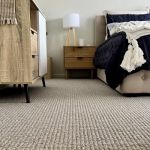 Why Carpet is Better for Certain Rooms in Your Home
 How to Care for Your Carpet During the Winter Season