

Carpet Installation Warranty: Build a Complete Handoff File
A carpet warranty is easier to use when the installation closes with complete records. Save the exact product and dye lot, retailer and installer identities, room measurements, pad specification, seam plan, work order, invoice, payment proof, dated photos, care instructions, and every warranty document. Walk through the finished rooms before furniture returns, record concerns in writing, and learn which company handles material, pad, labor, or damage claims. Warranty coverage, exclusions, deadlines, and required maintenance vary.
In this guide
Separate the Warranties
A project may include a manufacturer's carpet warranty, pad warranty, retailer promise, installation labor guarantee, stain-treatment terms, and separate coverage for accessories. Each may have a different responsible company, start date, duration, remedy, and claim process.
Ask who handles appearance changes, seam concerns, loose transitions, damaged trim, installation errors, manufacturing defects, stains, and subfloor-related issues. Do not rely on “lifetime” without reading how lifetime is defined and which costs—inspection, removal, labor, freight, disposal, replacement, or moving furniture—are excluded.

Record Product and Project Identity
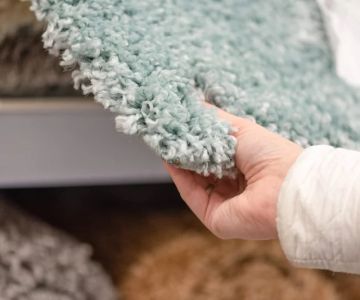
Save manufacturer, collection, style, color, fiber, construction, roll or dye-lot information, purchase quantity, and pad brand and specification. Photograph labels before packaging is discarded. Keep a small clean, labeled remnant if the contract permits; it can help with future matching and evaluation.
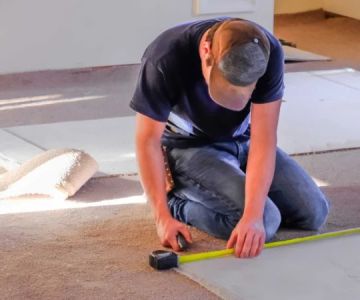
Record retailer, installer business, crew lead, order and invoice numbers, installation dates, rooms, seam locations, transitions, stairs, and special methods. Note who measured and who approved substitutions. Preserve written change orders rather than relying on text fragments with no project reference.

Bedford Carpet One Floor & Home
BedfordBedford CountyPennsylvania
411 E Pitt St, Bedford, PA 15522, USA
Photograph the Finished Installation
Take wide views of each room from several corners before furniture returns. Photograph seams in normal light, doorways, stairs, edges, transitions, vents, closets, and any existing wall or trim damage. Include a simple room label in the file name rather than placing adhesive labels on new carpet.
Lighting and pile direction can change appearance. Photograph concerns in both overall context and close detail without filters. Do not brush, trim, stretch, glue, or pull at a questionable area to make it more visible.
Complete a Detailed Walkthrough
Walk with the installer when possible. Check that the ordered color and pile direction are consistent, doors operate, vents remain accessible, edges are secure, transitions are stable, and stairs feel even. Inspect walls, baseboards, and furniture that the crew handled.
Some seams are visible under certain light and are not automatically defects. Ask what appearance is expected for the carpet type and seam location. Record ripples, gaps, sharp points, loose edges, damaged fibers, or strong irregularities and request written next steps.
Do not accept a rushed verbal promise to return. A completion note can distinguish open punch-list items from accepted work without requiring you to make a technical diagnosis.
Understand Required Care
Read cleaning and maintenance conditions before using products or equipment. Warranties may specify vacuum type, professional cleaning interval, approved methods, stain response, documentation, and exclusions for pets, flooding, improper chemicals, or inadequate furniture protection.
Keep vacuum and professional-cleaning receipts when required. Follow the carpet manufacturer's current instructions, not generic advice. Test spot products as directed and avoid saturating the carpet. Moisture problems may involve the pad and subfloor and need prompt professional assessment.
Document Later Changes
Record plumbing leaks, water events, remodeling, furniture moves, door trimming, transitions, repairs, and professional cleaning. Unauthorized alteration can complicate a claim. Contact the responsible company before lifting carpet, cutting seams, replacing pad, or allowing another trade to modify the installation.
Track the first date a concern appeared and how it changed. Take comparable photos from the same angle and note normal room use. Avoid asserting a cause you cannot establish.
Prepare a Clear Claim
Report concerns within the stated deadline to the correct party. Provide product identity, purchase and installation dates, location, factual description, discovery date, photos, invoice, care records, and requested inspection. Ask for a claim or case number.
Allow the required inspection, but verify the inspector's identity and preserve a copy of findings you are entitled to receive. Ask whether samples will be removed, who owns them, and how the area will be left. Review any proposed repair, replacement, prorated credit, or denial against the written terms.
Handoff File Checklist
- All warranty booklets and current terms
- Product, color, roll, dye-lot, and pad labels
- Retailer, installer, and manufacturer contacts
- Measure, seam plan, work order, and change orders
- Invoice, payment proof, and completion date
- Wide and detailed finished-condition photos
- Written punch list and resolution notes
- Maintenance instructions and service receipts
- Claim deadlines, contacts, and case numbers
- Labeled remnant when permitted
Frequently Asked Questions
Who covers a visible seam?
It depends on the carpet, placement, installation standards, contract, and cause. Start with the retailer or installer identified in your documents and request an inspection.
Should I sign completion with an open issue?
Document the issue and agreed next step on the completion or punch-list record. Contract rights vary, so read before signing and seek advice for a material dispute.
Do I need professional cleaning receipts?
Some warranties require them. Follow the exact manufacturer's terms and retain detailed receipts identifying method, provider, date, and rooms.
Can I repair a loose edge myself?
Contact the responsible company first. A do-it-yourself change can create a safety issue, damage materials, or affect coverage.
How long should I keep the file?
Keep it through every applicable warranty and while you own the carpet; it may also help a future owner understand the installation and care history.
A warranty file cannot guarantee coverage, but it replaces memory with evidence and routes a problem to the right company. Terms, installation standards, and consumer rights vary, so use the actual documents and qualified local advice for a disputed claim.




 Lewistown Floor Company4.0 (7 reviews)
 Walmart Supercenter3.0 (2500 reviews)
 Floor & Decor4.0 (1236 reviews)
 Ace Hardware & Lumber of Bradford4.0 (106 reviews)
 Luxury Floors Inc4.0 (5 reviews)
 The New England Collection3.0 (2 reviews)
 The Best Carpet Options for Apartments and Rentals
 Test Carpet Samples at Home: Light, Traffic, and Furniture
 Best Carpet Padding Options for Comfort and Durability | CarpetHub
 How to Add Value to Your Home with High-Quality Carpets
 How to Choose Carpet That Fits Your Budget and Style
 The Future of Carpet Technology: What’s Next in Flooring?