

Carpet Sun Fading: Light Zones, Windows, and Protection
On this page
Quick answer
Suspected carpet sun fading should be compared in consistent light against a protected area, then photographed and mapped by window and time of day. Light damage can be cumulative and irreversible. Use manufacturer-approved shades, glazing, or other exposure controls, keep treatments compatible with the window and carpet warranties, and do not apply dyes or chemicals before the supplier inspects the carpet.

Confirm the change
Vacuum the comparison areas with the approved setting so pile direction and surface soil do not create a false contrast. View the carpet from several directions under similar indoor lighting. Compare a visible strip with a small protected area under movable furniture only when it can be accessed without damage.
Color differences can also relate to wear, cleaning residue, spills, fiber changes, or manufacturing variation. Avoid declaring the cause from a photograph alone.
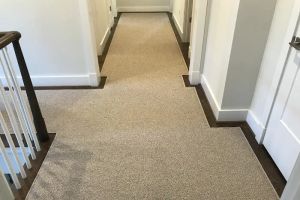
Normandy Carpet
GaithersburgMontgomery CountyMaryland
7621 Rickenbacker Dr STE 100, Gaithersburg, MD 20879, USA
Map light exposure
Mark the affected zone on a simple room sketch. Note each window, door, skylight, reflective surface, shade position, season, and the hours when direct light reaches the carpet. Take dated photographs from the same position with consistent white balance and exposure.
The Library of Congress explains that light damage is cumulative and can appear as fading, bleaching, yellowing, darkening, or color change. Sunlight is intense, contains substantial ultraviolet radiation, and is difficult to control.
Reduce exposure safely
Close existing blinds, curtains, or shades during the strongest exposure and ask a qualified window professional about compatible films, glazing, or exterior shading. Confirm thermal-stress, seal, tint, and warranty limits before modifying insulated or coated glass.
Remember that visible light can also cause change, so a product that reduces ultraviolet radiation does not guarantee zero fading. Combine reasonable light reduction with ongoing observation.
Plan furniture and rugs
When practical, periodically rotate movable furniture so boundaries do not remain in exactly one location. Lift rather than drag, protect the pile, and maintain safe walkways and floor clearances.
Do not cover broad areas with a rug or plastic sheet without confirming backing compatibility, color transfer, ventilation, moisture, and warranty requirements. A covering can create a sharp protected outline rather than preventing all change.
Document for the supplier
Keep the product label, purchase and installation records, room photos, cleaning history, window information, and the exposure map. Contact the retailer, installer, or manufacturer before attempting recoloring.
Ask what evidence is needed, whether an inspection is available, and how normal light change differs from a covered colorfastness issue. Preserve samples and written responses.
Important safety limits
Do not climb on furniture to adjust high shades, attach unapproved film to hot or damaged glass, or mix spot dyes and cleaners. Strong chemical odor, glass cracking, overheated coverings, moisture, or electrical shade faults require stopping work and contacting the appropriate qualified professional.
Frequently asked questions
Can ultraviolet film stop all carpet fading?
No. It may reduce part of the exposure, but visible light, heat, material sensitivity, and duration can still matter.
Can a faded area be cleaned back to its original color?
Cleaning may remove soil, but it cannot reverse true chemical light damage.
Should I compare under a sofa?
Only if it can be moved safely and without dragging. Use a small edge for comparison and replace furniture carefully.
Is fading always a warranty defect?
No. Coverage depends on the product, cause, exclusions, installation, care, and evidence.
Sources and evidence notes
The Library of Congress guidance on limiting light damage explains cumulative, often irreversible color change and the roles of sunlight, ultraviolet radiation, visible light, heat, exposure time, and documentation. Carpet-specific decisions remain subject to manufacturer instructions.
Next steps
Photograph the boundary, map the light path, close existing shades during peak exposure, and gather product records. Ask the carpet supplier and a window professional for compatible options before installing film or treating the carpet.


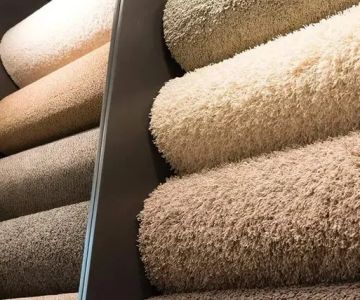
 Airpark Carpet5.0 (2 reviews)
 Normandy Carpet5.0 (389 reviews)
 FloorMax4.0 (35 reviews)
 All County Carpet5.0 (5 reviews)
 HomeGoods4.0 (345 reviews)
 Ollie's Bargain Outlet4.0 (445 reviews)
 Carpet Sun Fading: Light Zones, Windows, and Protection
 Carpet Static Electricity: Humidity, Fibers, and Electronics
 Carpet Service Access Handoff: Keys, Codes, Privacy, and Records
 Carpet Service Credential Check: Verify the Right Qualification
 Area Rug Over Carpet: Grip, Curl, and Door Clearance
 Carpet Chair Mat: Check Size, Backing, Edges, and Movement