
- -why-neutral-carpet-colors-dominate-modern-home-design
- -psychology-of-neutral-tones-in-interior-spaces
- -how-neutral-carpets-improve-home-resale-value
- -design-flexibility-with-neutral-flooring-palettes
- -real-life-home-makeover-stories-using-neutral-carpets
- -maintenance-cleaning-and-long-term-practical-benefits
- -advanced-interior-design-tips-for-neutral-carpet-styling
Why Neutral Carpet Colors Dominate Modern Home Design
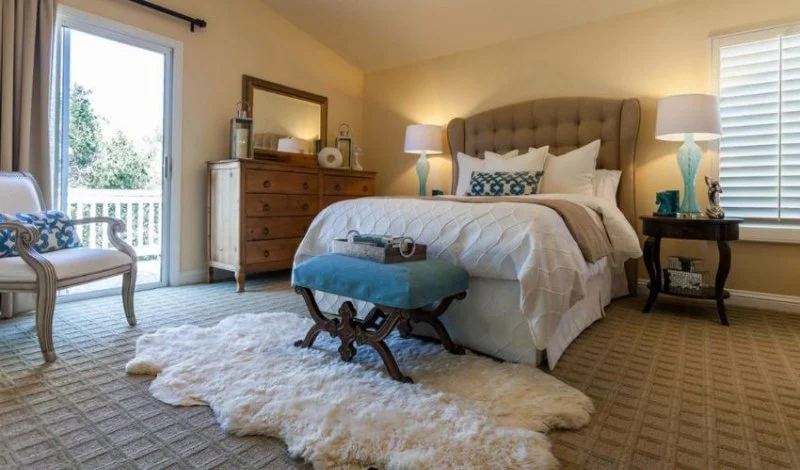
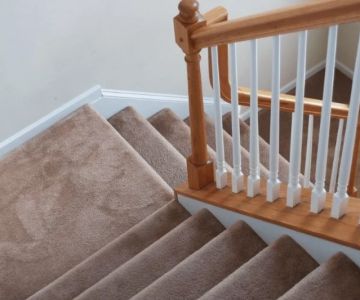
In today’s American home design landscape, neutral carpet colors have become a defining feature of modern interiors. Walk into newly built homes in cities like Austin, Denver, or Seattle, and you will notice a consistent pattern: soft beige, warm gray, and muted taupe flooring choices dominating living rooms and bedrooms.
This is not a coincidence. Homeowners and designers are increasingly prioritizing long-term flexibility over bold, trend-driven aesthetics. Neutral tones act as a visual foundation, allowing furniture, lighting, and decor to evolve without requiring a full flooring replacement.

Carpet World of Westchester II
White PlainsWestchester CountyNew York
53 Tarrytown Rd, White Plains, NY 10607, USA
How Neutral Flooring Became a Modern Standard
Over the past decade, interior design trends have shifted away from highly saturated carpets toward more adaptable palettes. The rise of open-concept homes in the United States has further amplified this shift. In open layouts, flooring must unify multiple spaces visually, and neutral carpet tones perform this role naturally.
Instead of competing with furniture or wall colors, neutral carpets quietly support the entire design composition. This understated presence is one of the key reasons they are now considered a standard in residential construction and renovation projects.
The Psychological Appeal of Subtle Flooring Choices
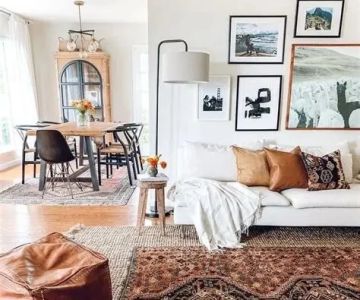
Neutral tones also influence how people feel inside a space. Soft beige and gray shades create a calming atmosphere, reducing visual stress and making rooms feel more balanced. Designers often describe this as “visual breathing room,” where the eye is not overwhelmed by competing colors or patterns.
This effect is especially valuable in bedrooms and family rooms, where comfort and relaxation are top priorities.
Psychology of Neutral Tones in Interior Spaces
How Color Impacts Emotional Comfort
The benefits of neutral carpet colors in home design extend beyond aesthetics. Color psychology shows that muted tones help regulate emotional responses in interior environments. Unlike bold colors that stimulate attention, neutral palettes promote stability and relaxation.
This is why many interior designers recommend soft gray carpets for modern apartments and beige tones for family homes. These shades subtly support mental calmness without drawing attention away from other design elements.
Creating Visual Balance in Busy Households
In real-life American households, especially those with children or pets, visual chaos can build quickly. Toys, furniture, and decor items often introduce color variation throughout a room. Neutral carpets act as a grounding layer, preventing the space from feeling visually cluttered.
A family in suburban Chicago recently shared how switching from a patterned carpet to a warm taupe neutral completely transformed their living room. Instead of feeling overwhelmed by visual noise, the room became cohesive and easier to maintain emotionally.
How Neutral Carpets Improve Home Resale Value
Real Estate Perspective on Flooring Choices
From a real estate standpoint, neutral carpet colors are one of the safest design investments. When potential buyers enter a home, they need to imagine their own furniture and lifestyle within the space. Bold flooring choices can limit imagination, while neutral tones expand it.
Agents across the U.S. consistently report that homes with neutral interiors tend to sell faster because they appeal to a broader audience. Beige, gray, and ivory carpets remove emotional barriers that might otherwise distract buyers.
Case Study: Suburban Home Sale in Texas
A property in suburban Dallas originally featured deep blue patterned carpet that reflected the owner’s personal style. While visually distinctive, it narrowed buyer interest. After replacing it with a soft gray neutral carpet, the home received significantly more showings within weeks.
The change did not alter the structure of the home, yet it dramatically improved perceived value. Buyers described the space as “move-in ready” and “easy to personalize,” which directly influenced the final sale outcome.
Design Flexibility with Neutral Flooring Palettes
Adapting to Changing Interior Trends
One of the strongest advantages of neutral carpet colors in home design is adaptability. Interior trends evolve quickly, but flooring is a long-term investment. Neutral tones allow homeowners to change wall paint, furniture styles, or decorative themes without clashing with the base layer of the room.
For example, a room with a light gray carpet can transition effortlessly from Scandinavian minimalism to modern rustic simply by adjusting furniture materials and color accents.
Supporting Seasonal Interior Changes
Homeowners in colder regions like Minnesota or New England often change interior accents seasonally. Neutral carpets make this process seamless. Warm-toned blankets in winter or light pastel decor in spring can shift the room’s mood without requiring structural changes.
Interior Designer Perspective
Many professional designers emphasize that flooring should “disappear into the background” while supporting everything above it. Neutral carpets achieve this balance better than almost any other flooring category, making them a preferred choice for long-term residential planning.
Real-Life Home Makeover Stories Using Neutral Carpets
Urban Apartment Transformation in New York
A young professional living in Manhattan struggled with a small apartment that felt visually cramped. The original dark carpet absorbed light and made the space feel smaller. After switching to a soft ivory neutral carpet, the apartment immediately appeared brighter and more open.
This change did not involve structural renovation, yet it significantly improved livability. The resident described the new space as “visually expanded without adding a single square foot.”
Family Home Refresh in California
In a suburban Los Angeles household, the living room previously featured a heavily textured patterned carpet. While visually interesting, it conflicted with evolving furniture styles over the years.
After upgrading to a warm beige neutral carpet, the family found it easier to redesign the space. Furniture updates no longer felt restricted by flooring patterns, allowing the room to evolve naturally over time.
Maintenance, Cleaning, and Long-Term Practical Benefits
Why Neutral Colors Hide Everyday Wear Better
Another practical advantage of neutral carpet colors in home design is their ability to conceal minor wear, dust, and stains more effectively than very light or very dark alternatives. Mid-tone neutrals strike a balance that makes everyday living more forgiving.
This is particularly important in high-traffic areas such as hallways and living rooms, where carpets are exposed to constant use.
Cleaning Efficiency and Maintenance Cycles
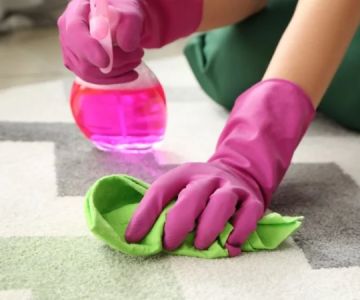
Neutral carpets often require less frequent deep cleaning to maintain a visually clean appearance. While they still require regular vacuuming and care, their color structure helps maintain a consistent look between maintenance cycles.
This practical benefit makes them especially popular among busy households and rental property owners.
Long-Term Durability Perception
Even when aging naturally, neutral carpets tend to age more gracefully. Instead of showing dramatic color fading or style obsolescence, they maintain a consistent appearance that blends into the overall interior environment.
Advanced Interior Design Tips for Neutral Carpet Styling
Layering Textures for Depth and Personality
A common misconception is that neutral carpets create boring interiors. In reality, the opposite is often true. When paired with layered textures such as wood furniture, linen fabrics, or metal accents, neutral flooring becomes a foundation for sophisticated design depth.
This layering technique is widely used in high-end interior projects across American cities like San Francisco and Boston.
Balancing Warm and Cool Undertones
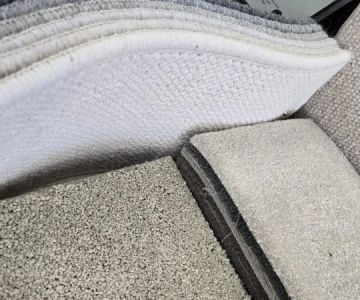
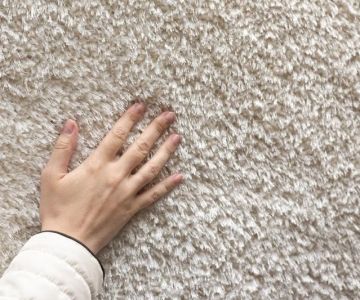
Not all neutral carpets are the same. Some lean warm with beige undertones, while others lean cool with gray hues. Understanding this difference helps create harmony with wall paint and furniture.
Warm neutrals pair well with earthy tones, while cool neutrals complement modern minimalist spaces.
Where Design Meets Lifestyle Practicality
Ultimately, neutral carpet colors are not just a design choice but a lifestyle decision. They simplify decorating, support long-term adaptability, and enhance daily living comfort.
For homeowners exploring flooring options, curated resources like CarpetHub can help identify carpet styles, textures, and tones that best match individual home environments and design goals.
 Normandy Carpet5.0 (389 reviews)
 Target3.0 (735 reviews)
 Ollie's Bargain Outlet4.0 (800 reviews)
 The Home Depot4.0 (1011 reviews)
 Harbor Freight4.0 (468 reviews)
 HOLLYWOOD CUSTOM CARPET SERVICE OF LINDEN NJ3.0 (2 reviews)
 How to Choose the Best Carpet for Homes with Frequent Cleanings
 Can Carpets Improve the Acoustics of Your Home?
 How to Choose Carpet That Resists Pet Hair and Stains
 Why Wool Carpets Are a Good Choice for Your Home
 How Different Carpet Fibers Affect Durability and Style: A Guide to Choosing the Right Carpet
 How to Select the Right Carpet for Your Living Space