

How to Review a New Carpet Installation Punch List
On this page
- Quick answer
- Bring the approved product and scope
- Inspect the surface in normal light
- Check edges, seams, and transitions
- Test doors, vents, and built-ins
- Review cleanup and remaining materials
- Close items with evidence
- Carpet punch-list checklist
- Limitations and safety notes
- Frequently asked questions
- Walk every room in two directions
Quick answer
Review new carpet against the signed product, padding, layout, seam, transition, stair, removal, furniture, and warranty scope. Walk every room in daylight and normal interior lighting, first from the entrance and then from the opposite direction. Number each incomplete or questionable item with a precise location, photo, contract reference, requested result, responsible party, and due date. Reinspect before marking it complete.
Some pile shading, footprints, vacuum marks, and seam visibility can be normal; ask for the manufacturer or installer standard before labeling a condition defective.
Bring the approved product and scope
Have the sales order, manufacturer, collection, style, color, dye lot when recorded, width, quantity, padding specification, seam diagram, stair details, transitions, change orders, warranty, and care instructions. Confirm substitutions and leftover-material terms.
Match labels from retained scraps or packaging where available. Photograph them for your records, but do not rely on color viewed through a phone screen to decide whether the material matches.

Inspect the surface in normal light
Look for broad ripples, buckles, bubbles, loose areas, damage, stains, pulls, cuts, crushing, inconsistent stretch, obvious debris beneath the carpet, and unexpected color variation. View from standing height and normal use positions rather than only kneeling inches away.
Vacuuming and grooming may change pile direction and surface appearance. Ask the installer to explain what should relax with normal acclimation or vacuuming and what requires correction. Record a follow-up date for conditions that need time.
Check edges, seams, and transitions
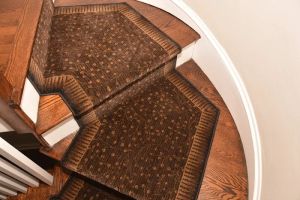
Inspect wall edges, corners, closets, posts, hearths, floor outlets, pipes, and stairs for secure, neat finishing without exposed tack strip, fraying, gaps, or damage. Seams should follow the approved layout and be professionally joined, though they may not be completely invisible.
Walk across transitions to tile, wood, vinyl, concrete, and exterior thresholds. Check that profiles are secure, smooth, appropriately fastened, and do not create sharp edges or unexpected trip points.
Test doors, vents, and built-ins
Open, close, latch, and lock each affected door. Check closet sliders, bifolds, floor guides, sweeps, and appliance clearances. Carpet should not block required door function, returns, supply vents, floor registers, access panels, or electrical covers.
Inspect around cabinets and built-ins for a clean edge without trapped drawers or removable equipment. Confirm baseboards and trim are intact or restored according to scope, including caulk and paint responsibilities.
Review cleanup and remaining materials
Check removal of old carpet, pad, tack strip, fasteners, packaging, fibers, dust, and adhesive residue. Look outside and along the delivery path for nails, blades, scraps, wall marks, or damage. Keep children and pets away until the area is checked.
Ask which remnants belong to you and label a useful piece with product information and room. Confirm care, vacuum, spot-cleaning, stain-treatment, professional-cleaning, and warranty documentation before using products.
Close items with evidence
Write observable conditions such as “two-inch raised ridge at north bedroom doorway” instead of “bad carpet.” Agree on inspection, repair, replacement, cleaning, trim work, or documentation and a completion date.
Mark an item complete only after viewing and testing the correction. Save the final list, photos, invoice, paid receipt, warranty, installer details, and product records in one folder.
Carpet punch-list checklist
- Match product, padding, layout, and change orders.
- Walk rooms from two directions in normal light.
- Check ripples, damage, edges, seams, and stairs.
- Test every transition and affected door.
- Verify vents, outlets, and access panels remain clear.
- Inspect trim, cleanup, and delivery paths.
- Record numbered items with photos and due dates.
- Collect care, warranty, and final payment records.
Limitations and safety notes
- This guide cannot determine whether a visual condition violates a manufacturer or industry standard.
- Do not pull carpet, touch tack strips, dismantle thresholds, or use heat or chemicals to investigate.
- Secure loose edges and restrict access to trip hazards until corrected.
- Odor, dust, allergy, moisture, mold, or subfloor concerns may require specialized assessment.
Frequently asked questions
Should carpet seams be invisible?
Not always. Visibility depends on product, light, layout, and installation; compare with the agreed plan and applicable standard.
Are vacuum lines a defect?
No. Pile direction and grooming can create temporary light and dark bands.
What if the carpet wrinkles after installation?
Photograph the location and contact the installer promptly; do not try to restretch it yourself.
Can I move furniture back immediately?
Follow installer guidance and protect the new carpet while checking clearances and avoiding drag damage.
How much remnant should I keep?
Keep a manageable labeled piece for repair reference when the contract allows it.
Walk every room in two directions
Start at each doorway, walk the perimeter, cross the room, then repeat from the opposite wall. Number every concern on a simple floor sketch before the installation crew closes the job.


 Carpet One4.0 (4 reviews)
 Complete Floor Coverings Of Lemont5.0 (7 reviews)
 The Home Depot4.0 (981 reviews)
 Homesense4.0 (261 reviews)
 LeClaire Flooring & Design4.0 (46 reviews)
 River Town Floors5.0 (22 reviews)
 How Carpet Can Help Your Home Feel Cozier | CarpetHub
 How to Match Carpet to Your Home’s Exterior Style and Color
 Carpet Care for Homes with High Humidity: Practical Guide for Lasting Fresh Floors
 Carpet Styles That Add Luxury to Any Room
 Why Carpet Padding Is Essential for Long-Lasting Floors
 How to Tackle Common Carpet Problems: Fading, Wrinkles, and Wear in 2026