
- -understanding-paint-types-carpet-stains-understanding-paint-types
- -wet-paint-removal-strategies-carpet-wet-paint-removal
- -dried-paint-removal-techniques-carpet-dried-paint-removal
- -home-remedies-safe-cleaning-solutions-home-remedies
- -mistakes-that-damage-carpet-mistakes-prevention
- -real-life-case-home-paint-accident-case-study
- -professional-cleaning-when-needed-professional-help
- -carpet-protection-prevention-strategies-prevention
Understanding Paint Types Before You Try to Remove Carpet Stains
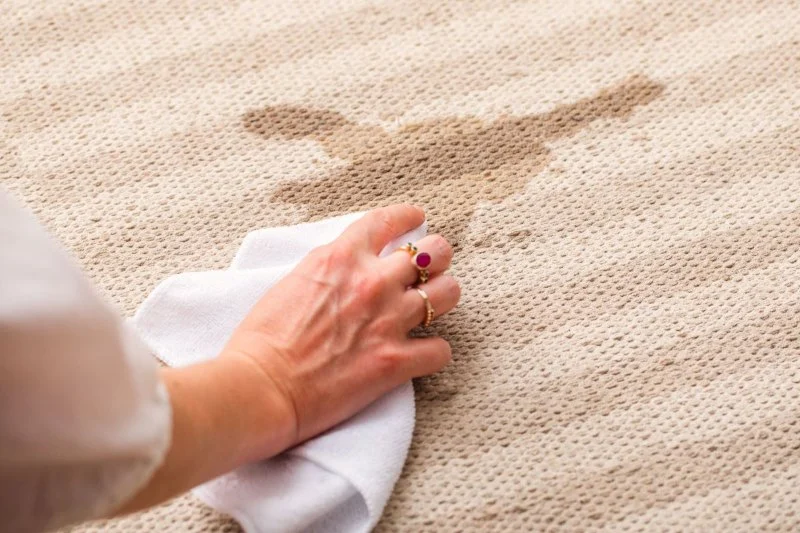
When dealing with a paint spill on flooring, the first reaction is usually panic. But learning how to remove paint from carpet without ruining it starts with one crucial step many people skip—identifying the type of paint involved. Not all paint behaves the same once it touches carpet fibers, and the wrong cleaning method can make the stain permanent.
Orange Carpet & Wood Gallery
Roxbury TownshipMorris CountyNew Jersey
470 NJ-10 West, Ledgewood, NJ 07852, USA
Acrylic, latex, and oil-based paints behave differently
Water-based paints like latex and acrylic are the most common in American homes. These paints dry relatively quickly but are still responsive to water and mild cleaning agents when treated early. Oil-based paints, however, are much more stubborn. They bond with carpet fibers more aggressively and often require specialized solvents or professional intervention.
Understanding this difference can determine whether your carpet is saved within minutes or permanently damaged by aggressive scrubbing or heat exposure.

Worldwide Wholesale Floor Coverings
Lawrence TownshipMercer CountyNew Jersey
2750 U.S. Rte 1, Lawrence Township, NJ 08648, USA
Why timing is everything in stain control
Fresh paint behaves almost like a liquid dye sitting on top of fibers. Once it dries, it becomes embedded deep within the weave. This is why professionals often emphasize immediate action. The longer paint sits, the more it spreads and hardens, making removal significantly more complicated.
Safe Strategies for Removing Wet Paint from Carpet Without Damage
If you catch the spill early, you are already ahead of the problem. Wet paint removal is all about controlled absorption rather than aggressive scrubbing. Many homeowners unintentionally worsen the situation by rubbing the stain, which pushes paint deeper into the carpet.
Initial response steps that protect carpet fibers
Start by gently blotting the paint using a clean, dry cloth or paper towel. The goal is to lift as much excess paint as possible without spreading it outward. Press lightly and change the cloth frequently to avoid re-depositing paint.
Next, slightly dampen a clean cloth with warm water and continue blotting. For water-based paints, this step often removes a large portion of the stain before any cleaning solution is needed.
Using mild cleaning solutions effectively
A simple mixture of warm water and a small amount of dish soap can be surprisingly effective. Apply it sparingly and continue blotting rather than scrubbing. The key is patience—slow absorption is far safer than forceful cleaning.
For stubborn wet stains, some homeowners find success using a diluted vinegar solution. However, testing on a hidden area of carpet is essential before full application to ensure color stability.
When wet paint becomes semi-dry
If paint begins to dry during cleaning, avoid continuing with water alone. At this stage, switching techniques is important because partially dried paint can smear and stain deeper layers of carpet backing.
How to Handle Dried Paint on Carpet Without Ruining It
Dried paint is where most cleaning mistakes happen. Once paint hardens, it forms a film that clings tightly to fibers. The challenge in learning how to remove paint from carpet without ruining it lies in softening the paint without damaging the carpet texture.
Softening hardened paint safely
One effective approach is to lightly moisten the stained area with warm water and allow it to sit for several minutes. This helps rehydrate water-based paints. For tougher stains, a small amount of rubbing alcohol or a specialized carpet-safe cleaner may help break down the bond.
The key is gradual softening, not saturation. Too much liquid can spread the stain deeper into the carpet padding.
Careful scraping techniques that avoid fiber damage
Once the paint softens, gently lift it using a dull edge such as a spoon or plastic scraper. Avoid metal blades, which can cut carpet fibers and create permanent texture damage. Work from the outer edge toward the center to prevent spreading.
Re-cleaning and restoring carpet texture
After removing the majority of dried paint, the area should be cleaned again with mild soap and water. Blot dry thoroughly and use a soft brush to restore the carpet’s natural texture. This final step often determines whether the stain is completely invisible or faintly noticeable.
Home-Based Cleaning Solutions That Actually Work
Many homeowners prefer DIY methods before calling professionals. While not every home remedy is safe, several widely used techniques can be effective when applied correctly.
Dish soap and warm water combination
This remains the most reliable first-line treatment for water-based paint. It is gentle enough for most carpet types while still effective at breaking down fresh stains.
Vinegar and mild solvent alternatives
White vinegar mixed with water can help loosen paint particles. It is particularly useful for latex-based stains. However, overuse may affect carpet dyes, so moderation is essential.
Rubbing alcohol for stubborn patches
Rubbing alcohol is often used in small amounts for more persistent stains. It works by breaking down paint composition without overly saturating the carpet. Careful application is critical to avoid discoloration.
Why testing matters before full application
Every carpet reacts differently depending on fiber type, dye process, and age. Testing cleaning solutions on hidden areas prevents unintended damage that could make the stain worse than the original spill.
Common Mistakes That Can Permanently Damage Carpet
Even with the right intentions, many cleaning attempts fail because of avoidable errors. Understanding what not to do is just as important as learning proper removal techniques.
Rubbing instead of blotting
Rubbing spreads paint deeper into fibers and increases stain size. Blotting remains the safest method because it lifts rather than pushes the stain.
Using hot water too early
Hot water can set certain paints, especially latex, making them more difficult to remove. Warm or cool water is generally safer during early stages.
Over-saturating carpet fibers
Excess liquid can push paint into the carpet backing and underlay, creating hidden stains that resurface later. Controlled application is always more effective.
Using harsh chemicals without testing
Strong solvents may remove paint but can also strip carpet color or damage synthetic fibers. Always test before full use.
Real-Life Home Accident and Recovery Process
A homeowner in Texas recently shared an incident where a weekend DIY painting project went wrong. A gallon of light gray wall paint tipped over onto a beige living room carpet. The spill was not noticed immediately, and by the time cleanup began, the paint had started to dry around the edges.
Initial reaction and early mistakes
The homeowner initially attempted to scrub the stain with a towel, which unfortunately spread the paint across a wider area. This is a common reaction and highlights how urgency can sometimes lead to mistakes.
Corrective cleaning approach
After researching how to remove paint from carpet without ruining it, the homeowner switched strategies. They gently softened the stain using warm water, then carefully blotted and lifted the paint using a plastic scraper.
Over the next hour, repeated blotting and mild soap solution application gradually reduced the stain visibility. While a faint mark remained initially, a second treatment the following day significantly improved the result.
Final outcome and lessons learned
The carpet was ultimately saved without needing replacement. The key takeaway was not speed alone, but using the correct sequence of steps—blotting, softening, and controlled lifting.
When Professional Carpet Cleaning Becomes Necessary
Not all paint stains can be safely handled at home. In some cases, especially with oil-based paints or large spills, professional cleaning is the safest option.
Situations that require expert intervention
If paint has fully dried deep into carpet padding or if repeated DIY attempts fail, professionals can use specialized extraction tools and solvent systems that are not available for home use.
Benefits of advanced cleaning equipment
Professional-grade steam extraction and solvent application can remove deep-set stains while minimizing fiber damage. This is particularly useful for high-value carpets or large living spaces.
Homeowners looking for reliable cleaning support or product recommendations often explore platforms like CarpetHub, which helps connect users with suitable cleaning solutions and services tailored to different carpet types and stain challenges.
How to Protect Carpets from Future Paint Accidents
Prevention is often easier than cleanup. Simple preparation before any painting project can drastically reduce risk.
Preparing the workspace properly
Using protective drop cloths, plastic sheets, or old blankets creates a barrier between paint and carpet. Even small precautions can prevent major accidents.
Smart painting habits at home
Keeping paint containers stable and avoiding overfilling rollers reduces spill risk. Many accidents occur simply due to rushing or lack of workspace organization.
Building a quick-response cleaning kit
Having paper towels, mild detergent, and clean cloths nearby ensures immediate response if spills occur. Early action remains the most powerful tool in preventing permanent stains.

 Greenwich Flooring5.0 (2 reviews)
 Dalene Flooring Carpet One4.0 (42 reviews)
 Radiant Carpets & Rugs5.0 (13 reviews)
 The Home Depot4.0 (1005 reviews)
 Raymour & Flanigan Furniture and Mattress Showroom & Outlet4.0 (3762 reviews)
 Best Tile Shrewsbury4.0 (79 reviews)
 Carpet Textures Explained: Plush, Loop, Cut Pile and More
 How to Choose Carpet That Resists Pet Hair and Stains
 Carpet Cleaning Hacks That Actually Work for Stain-Free Homes
 Carpet Vs. Hardwood: Choosing the Right Flooring for Your Home
 Carpet Ideas for Creating a More Relaxing Home Environment
 How to Style Carpets for Small Spaces: Smart Design Tips